

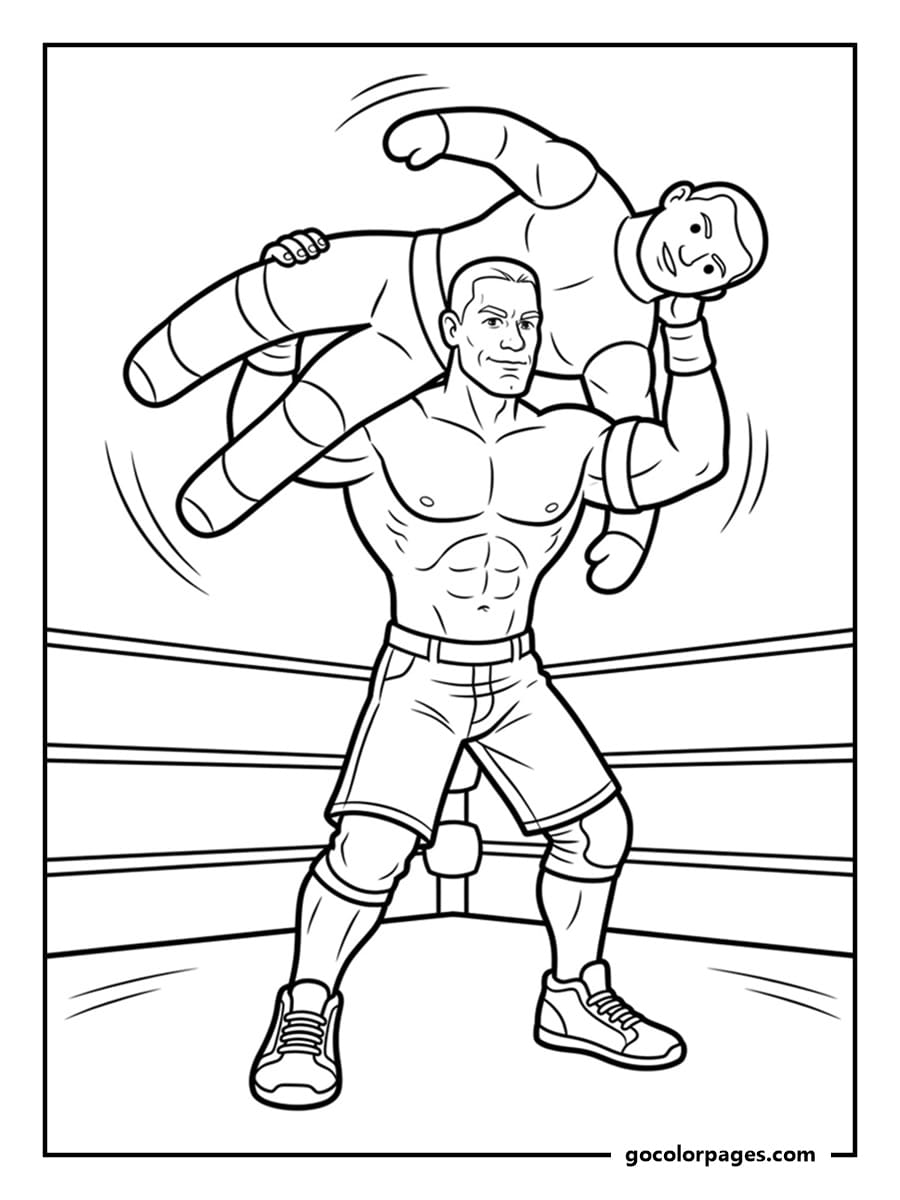
Celebrities coloring pages turn album-release sleepovers, red-carpet watch nights, and championship game days into hands-on art sessions. Yet if you've ever printed a free portrait of a pop singer or movie star from a random web gallery, you've probably met the "uncanny valley" problem. Automated photo-to-sketch filters convert every soft cheek dimple, nose shadow, and smile crease into harsh black ink lines, making a twenty-four-year-old icon look like an eighty-year-old courtroom sketch before a single crayon touches the sheet.
Across more than 180 portrait illustration tests with teen fan clubs, classroom art teachers, and adult pop-art hobbyists, we found that lifelike celebrity sheets depend on three studio habits. When you start with clean hand-inked line work, map three subtle temperature zones across the face, and leave bare white paper for stage spotlights, flat outlines transform into recognizable stars.
- Pick Three-Anchor Likeness Line Art Over Photo-Filter Traces: Choose hand-inked templates that leave the nose bridge and mid-cheeks open while locking in the star's outer hairline silhouette, brow-to-eye spacing, and signature microphone, jersey, or gown.
- Layer Faces Using Three Chromatic Undertone Zones: Ditch single-stick peach or brown fills by warming the forehead with golden cream or bronze, blushing the mid-cheeks and ears with coral or berry, and cooling the jawline with muted plum or olive.
- Carve Out Bare-Paper Spotlight Ribbons for Hair and Sequins: Leave a 3-millimeter uncolored zig-zag band across curved hair waves and scatter tiny bare white diamonds inside dark tour bodysuits to create blinding stage shine without messy glitter glue.
One extra black line ruins a face. Print a lazily traced sheet from a generic directory of celebrities coloring pages, and a twenty-four-year-old pop star suddenly looks like an eighty-year-old caricature. That creepy distortion happens whenever automated photo filters turn soft cheek dimples and nose bridges into heavy ink trenches, and colorists scrub flat peach or brown wax over the top. Strip away those interior wrinkle lines and map three subtle undertone zones across the skin, and your favorite musician, actor, or athlete steps straight into the arena spotlight.
Five Pop Culture Collections Built Around Iconic Stage and Screen Moments
A floating passport head stranded in the middle of blank paper is boring to color and almost impossible to recognize. When we curate our library of printable coloring pages for music fans, sports families, and adult portrait hobbyists, we build every sheet around the props, fabrics, and stage geometry that made the star famous in the first place.
Recognizable likeness lives half in the face and half in the silhouette surrounding it. Picking one of five distinct pop-culture collections immediately tells you whether to reach for metallic gel pens, skin-tone alcohol markers, or neon pop-art highlighters.
- Stadium Pop Stars and Global Musicols: Tour-ready portraits of Taylor Swift, Olivia Rodrigo, Billie Eilish, Beyoncé, and K-Pop groups framed by crystal microphones, acoustic guitars, fringed boots, and swirling arena confetti.
- Hollywood Red Carpet and Cinema Legends: High-glamour sheets spanning modern fashion icons like Zendaya, Jenna Ortega, and Timothée Chalamet alongside timeless silver-screen silhouettes of Audrey Hepburn and Marilyn Monroe.
- World-Class Athletes and Championship Moments: Action-frozen illustrations of Lionel Messi, Cristiano Ronaldo, LeBron James, Stephen Curry, and Simone Biles complete with authentic jersey numbers, striped kits, and stadium turf.
- Streaming Creators and Viral Internet Personalities: Bold, cartoon-inflected sheets featuring MrBeast, Pokimane, and gaming or dance creators wearing oversized streetwear hoodies and neon studio headsets that elementary and middle-school fans spot on sight.
- Retro Pop-Art Four-Square Portrait Grids: Inspired by Andy Warhol's 1962 Marilyn Diptych and Roy Lichtenstein's comic frames, these high-contrast templates let teens and adults ditch realistic skin tones for electric magenta, cyan, and acid-yellow color blocks.
"A great celebrity sheet never strands a famous face in an empty white void the crystal microphone, jersey number, or couture collar carries half the likeness before you even touch the skin."
Why Photo Traced Faces Look Creepy and How to Spot Clean Portrait Line Art
If you've ever wondered why seventy percent of free celebrity printouts online look slightly frightening, the culprit is automated edge-detection software. Many low-effort websites run red-carpet photographs through a one-click "photo-to-coloring-page" filter and upload the raw output without a human illustrator ever touching the file.
A camera lens records soft shadows under the lower eyelid, along the sides of the nose, and around the corners of a smile. When a computer filter converts those gentle shadow gradients into solid one-point black ink lines, the human brain reads those dark boundaries as deep physical trenches and ages the celebrity by thirty years.
As anyone learning how to draw human portraits quickly discovers, a youthful face is made of smooth, continuous planes that must be turned with soft color rather than fenced in by black wire. Before you print a sheet for your table, run a five-second visual check on three facial landmarks.
- Inspect the Nose Bridge and Smile Creases First: Reject any printout that draws two solid railroad tracks down the bridge of the nose or dark parentheses around the mouth; clean portrait line art uses only a delicate nostril hook and leaves the cheeks completely open for pencil shading.
- Read the Outer Hairline and Jaw Silhouette From Across the Room: Human visionentifies famous faces at a distance by the negative-space cut of the hair such as Ariana Grande's high ponytail or Elvis Presley's pompadour paired with the distinct angle of the chin and jaw.
- Look for Grouped Lash Wedges Instead of Spider Legs: Avoid templates that draw forty separate spiky eyelashes around the eye; well-inked portraits group the upper lashes into one sweeping dark wing with plenty of open space inside the iris for custom eye color.
The Portrait Painter Secret for Coloring Every Human Skin Tone Naturally
Watch a group of kids or adults start coloring a famous singer or athlete, and almost everyone reaches for a single "peach," "tan," or "brown" pencil and scrubs it uniformly from hairline to collar. Two minutes later, the face looks like a flat plastic mannequin mask.
Classical portrait masters John Singer Sargent and William-Adolphe Bouguereau taught studio painters that living human skin is never one monochrome pigment. Because skin is semi-translucent, the color you see on the surface shifts subtly from forehead to chin depending on how close bone, blood vessels, and hair follicles sit underneath.
Whether you're working with a four-dollar box of Crayola Colors of the World, Prismacolor Premier pencils, or an Ohuhu 36 Skin-Tone marker set, combining the Three Chromatic Facial Zones with a three-shade complexion recipe brings instant warmth to every ethnicity.
- Map the Golden Forehead, Rose Mid-Cheek, and Cool Jawline: Across every human complexion on earth, the bony forehead reflects warm golden-yellow light, the nose bridge, cheeks, and earlobes glow with red or coral capillary warmth, and the receding jawline and lower chin carry a cooler olive, slate, or muted plum shadow.
- Fair Porcelain to Warm Ivory Complexions: Skip neon orange-peach wax that turns faces radioactive; lay down a whisper-light base of cream or eggshell, blush the cheekbones, nose tip, and inner eye corners with soft salmon or dusty rose, and tuck a cool lilac-taupe shadow strictly beneath the chin and upper lip.
- Golden Tan, Mediterranean Olive, and Warm Bronze Complexions: Glaze warm yellow ochre or honey almond across the lit forehead and high cheekbones, blend terracotta or burnt coral smoothly across the mid-face, and anchor the temple hollows and neck crease with muted raw umber.
- Rich Mahogany to Deep Espresso Complexions: Never dull deep brown skin with flat black or lead gray, which sucks the warmth out of the portrait; build luminous depth by placing golden bronze on the sunlit forehead and nose bridge, rich cranberry or burnt sienna through the cheeks, and deep indigo-plum in the darkest neck shadows.
"Skin is never a single crayon warm the forehead like sunlight on bone, blush the cheeks where blood runs close, and cool the jawline where shadow turns away."
Coloring Glossy Hair Waves, Sequined Tour Outfits, and Stadium Spotlights
Once the face looks alive, the surrounding hair, stage wardrobe, and arena lighting turn a simple portrait into a showstopping piece of fan art. The secret to making paper look metallic or glossy has nothing to do with buying metallic ink it comes down to protecting tiny strips of bare white paper before you lay down your darkest tones.
Your eye measures shine by comparing the brightest highlight against the darkest adjacent shadow. If you color every square millimeter of a pop star's hair or evening gown, you erase the contrast that creates stage glamour.
The Uncolored Crown Ribbon Trick for Blonde, Brunette, and Dyed Hair
The fastest way to ruin a celebrity's hair is coloring each strand continuously from the part line all the way down to the shoulder. Solid wall-to-wall pigment makes silky waves look like a heavy wool winter hat.
Before touching a marker or pencil to the hair, lightly sketch a three-millimeter zig-zag ribbon horizontally across the widest curve of the skull and leave that band completely bare white paper. Pull tapered flicks outward from the dark roots and upward from the bottom tips toward that open white halo, and for two-tone K-Pop or pop-punk styles, blend neon magenta or teal right into the edges of the highlight band.
Making Sequined Bodysuits and Metallic Red Carpet Gowns Sparkle
Whether you're filling a bold tour bodysuit on cute and easy coloring pages or shading a tailored tuxedo on intricate adult coloring pages, resist the urge to smear liquid glitter glue across the printout. Wet glue buckles standard paper and blurs crisp black ink lines.
Instead, map out eight to twelve tiny four-pointed diamond stars and pinpoint circles along the sunlit curve of the shoulder, hip, or lapel and leave those specks pure white. Surround those uncolored diamonds immediately with your richest midnight navy, emerald green, ruby red, or charcoal marker, then dot three or four tiny white circles with a 0.8mm Posca paint pen or Gelly Roll pen right across the black outline borders to make the sequins pop like camera flashes.
Casting Neon Concert Rim Light Across Shoulders and Microphones
Real concert and stadium photography is rarely lit by flat white ceiling bulbs. Arena overhead trusses blast performers from behind with saturated electric cyan, hot magenta, ultraviolet, and stadium floodlight gold.
To recreate that live-tour atmosphere on paper, leave a narrow two-millimeter sliver along the outer edge of the celebrity's jawline, shoulder, hair rim, and microphone stand completely free of skin or fabric color. Fill that thin outer border with an electric neon pink, turquoise, or lime pencil so the figure looks backlit by a ten-thousand-watt stage rig.
Turning Finished Celebrity Sheets Into Pop Art Grids and Concert Party Decor
Finished celebrity portraits carry way too much personality to sit hidden inside a desk drawer. Because music, movie, and sports icons anchor everything from tenth-birthday sleepovers to championship watch parties, a pair of scissors and a printer scaling tweak can turn your colored sheets into custom fan merchandise.
When we test pop-culture printables alongside our printable coloring pages for kids with party hosts and middle-school art clubs, three hands-on builds always steal the spotlight.
- Andy Warhol Four-Square Pop-Art Wall Posters: Open your printer layout menu, select "4 Pages Per Sheet" to print four mini copies of the same celebrity on one page, and color each square in a clashing complementary duo like neon pink skin with teal hair, or sunny yellow with violet shadows before mounting the grid on black poster board.
- Laminated VIP Tour Lanyards and Locker Bookmarks: Trim a finished portrait into a 2.5-by-5-inch vertical pass, write the tour date or jersey number at the bottom, seal both sides between strips of clear heavy-duty packing tape, and punch a top slot to clip onto a concert bag or school lanyard.
- Album-Release and Game-Day Bunting Garlands: Cut around the outer silhouette of colored singers, guitars, and athletes leaving a quarter-inch white border, then clip ten figures along a six-foot metallic ribbon with mini clothespins so every party guest can unclip their favorite star to take home.
Frequently Asked Questions About Celebrities Coloring Pages
Why do some printable celebrity coloring pages look strange or older than the real person?
Most weird-looking celebrity sheets are created by automated photo-to-sketch computer filters that turn every soft shadow under the eyes, along the nose bridge, and around the mouth into a hard black ink wrinkle. Always choose hand-inked portrait templates that keep the mid-cheeks and nose bridge open so you can shape the face smoothly with colored pencils.
How do you color realistic skin tones if you only have a basic pencil or crayon box?
Skip scrubbing a single flat peach or brown crayon across the whole face. Lightly glaze warm yellow across the forehead, soft pink or coral across the cheeks and nose bridge, and a whisper of cool blue or violet-brown under the jawline before smoothing your main skin shade over the top.
How can I make concert outfits and celebrity hair look shiny on regular paper?
Shine on paper comes from sharp contrast against bare white highlights rather than metallic ink. Leave a three-millimeter zig-zag ribbon of uncolored white paper across the top curve of the hair and keep eight to twelve tiny white diamond shapes bare inside dark dress panels so the blank paper flashes like stage spotlights.
What is the best way to color black hair or dark suits on a celebrity sheet without losing the lines?
Never fill dark hair, leather jackets, or red-carpet tuxedos with pure black marker or wax, which swallows the printed black contour lines and turns the shape into a flat silhouette. Build rich dark hair and suits with deep indigo blue, espresso brown, or blackberry plum, saving true black strictly for the deepest shadow folds.
Pick Your Favorite Icon and Try the Three Zone Complexion Trick Tonight
You don't need a fifty-dollar marker suitcase to make a printed pop star or athlete look like a backstage portrait. Grab a single sheet featuring your favorite music, cinema, or sports icon and test two studio tricks in under ten minutes at your table tonight.
- Fence Off a Three-Millimeter Crown Hair Ribbon (3 minutes): Before coloring the hair, lightly pencil a narrow zig-zag band across the widest curve of the head and leave that strip completely bare white paper while pulling tapered strokes in from the roots and tips.
- Layer the Cheek and Jaw Undertones First (5 minutes): Before touching your base skin crayon to the face, sweep a whisper of coral pink across the nose bridge and cheeks and a soft shadow of muted plum or olive under the jawline to watch flat paper gain instant bone structure.
Who always gets printed first at your house stadium pop singers, red-carpet movie stars, or championship athletes and do you prefer shading realistic complexions or going full Andy Warhol with neon pop-art colors?