
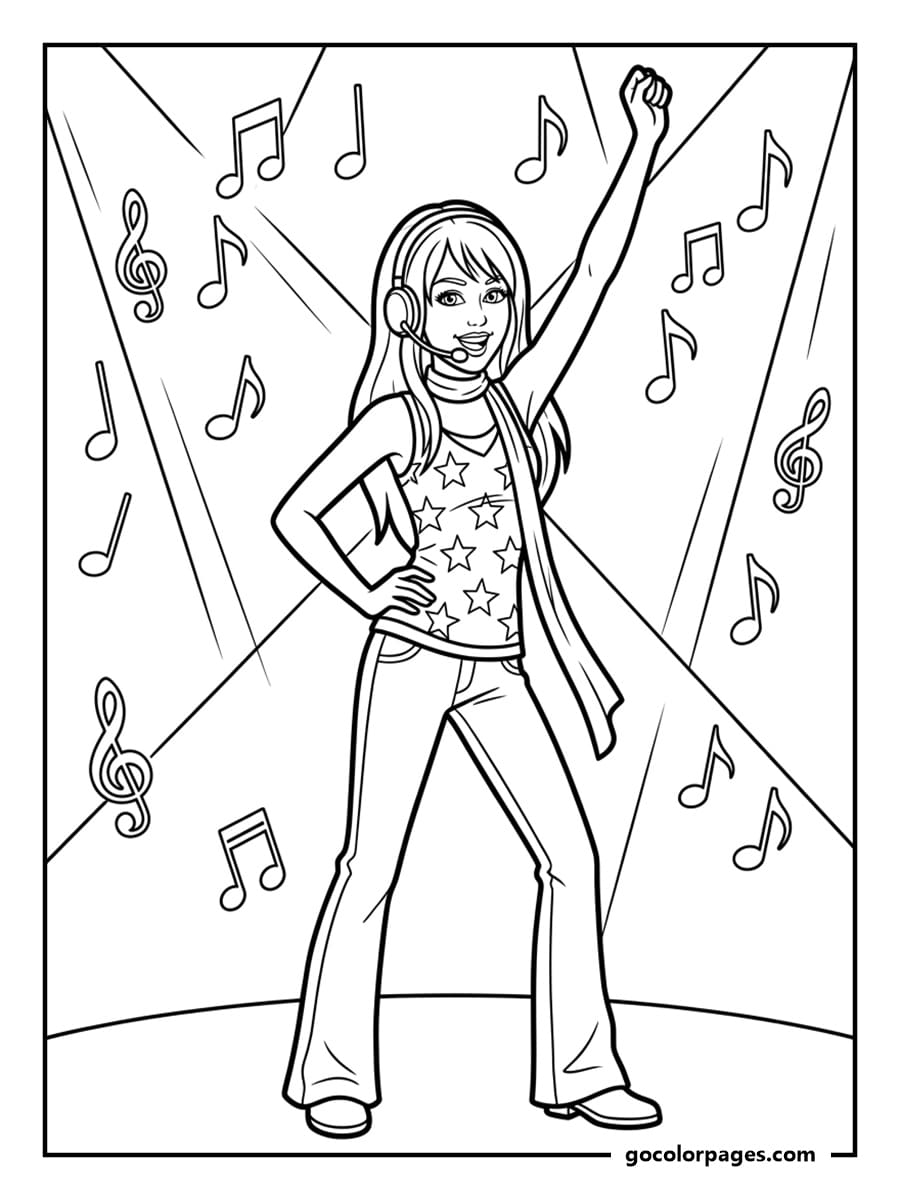
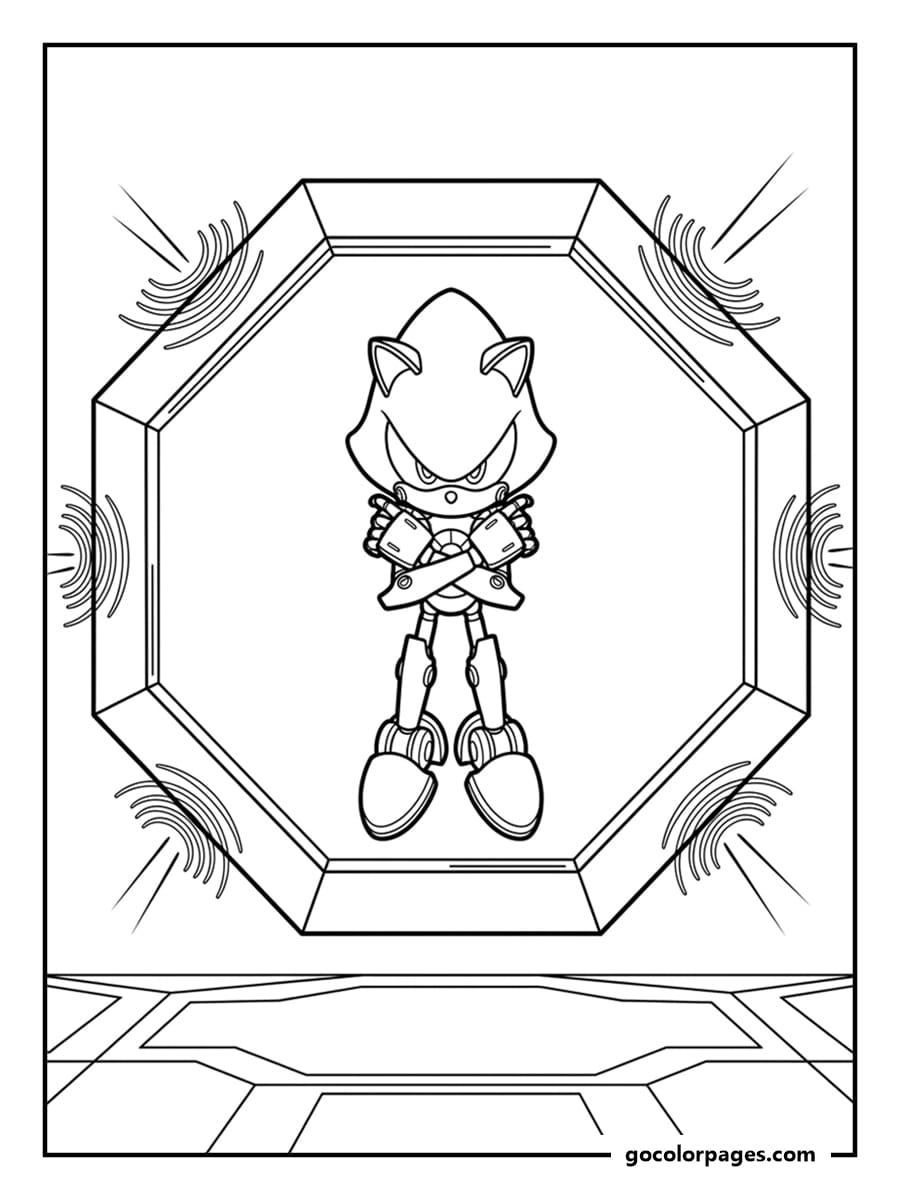
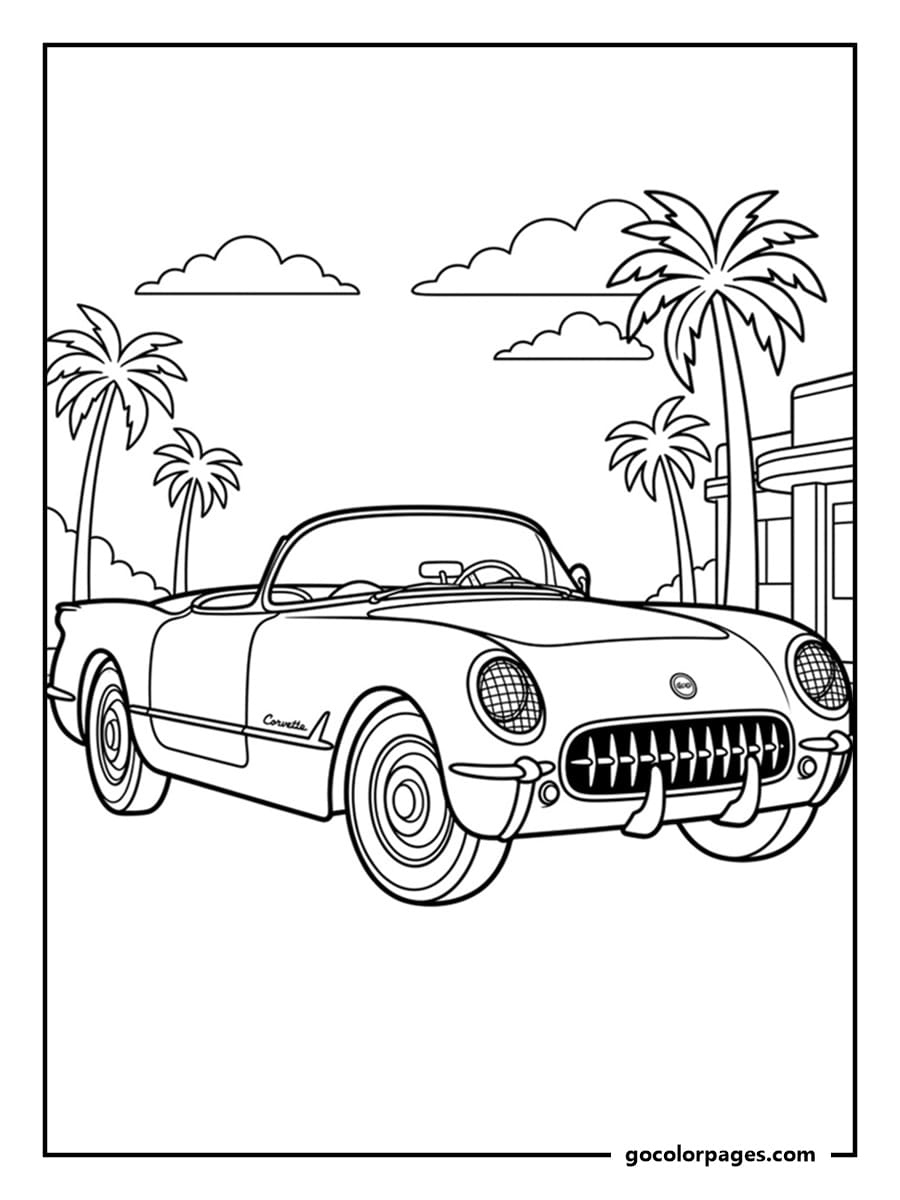
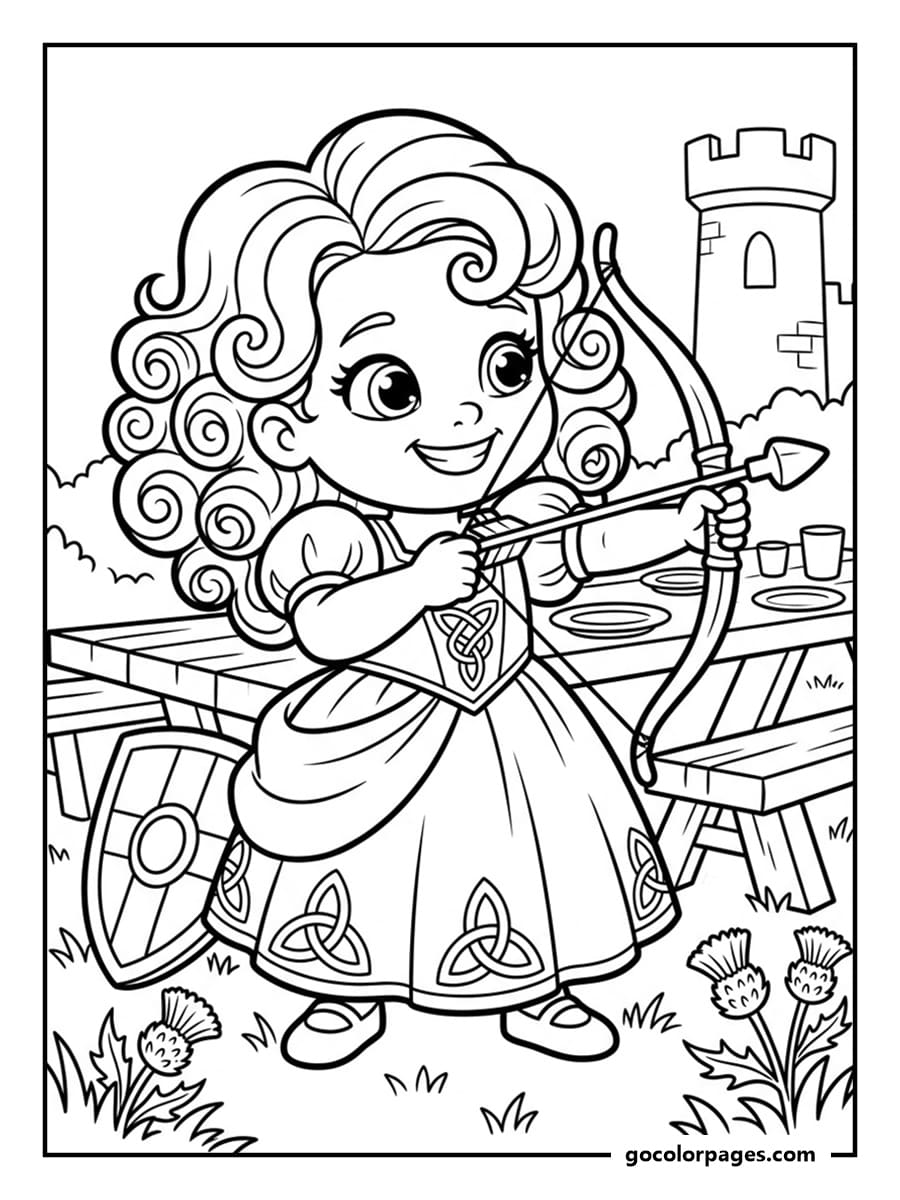
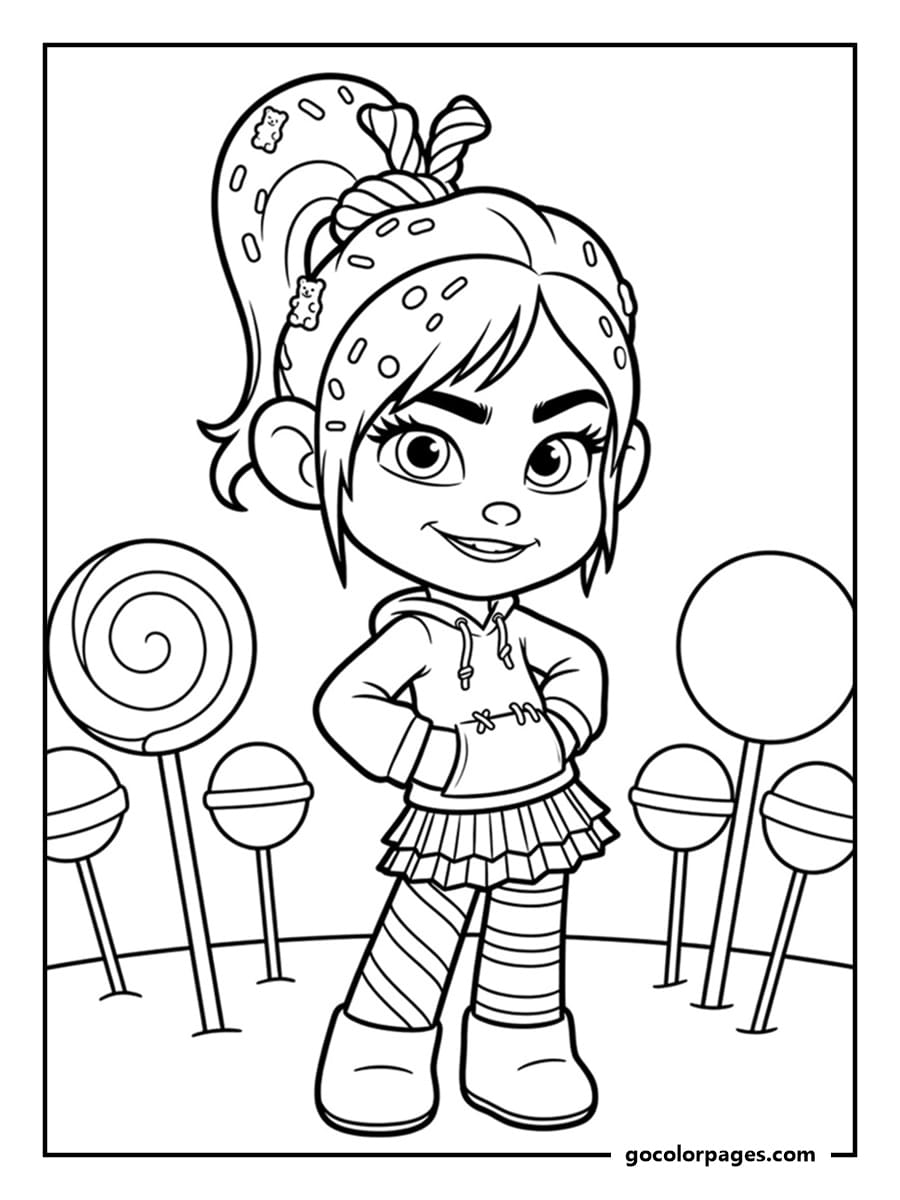
Hand a restless child or an exhausted adult a tap-to-fill coloring app on a tablet, and they almost always swipe away within four minutes. Digital paint buckets flood shapes with flat neon pixels in a single tap, robbing your fingers of physical feedback while blasting tired eyes with blue light. Yet when people switch to physical coloring pages and still feel frustrated, the problem is rarely a lack of patience it is a mismatch between pixelated web files, flimsy copy paper, and the art tool in their hand. Fix those three physical details, and a single sheet of printed line art turns kitchen-table chaos into forty-five minutes of deep, quiet concentration.
Five Core Printable Collections and How to Pick Your Starting Sheet
Dumping ten thousand unsorted sheets in front of a kid or a tired adult guarantees decision fatigue before anyone picks up a pencil. In our studio observations, people spend triple the time coloring when they choose from five focused thematic collections rather than scrolling an endless alphabetical feed.
Each printable family naturally dictates its own color palette and hand movement. Picking the right theme first tells you immediately whether to reach for broad alcohol markers, wax crayons, or needle-sharp colored pencils.
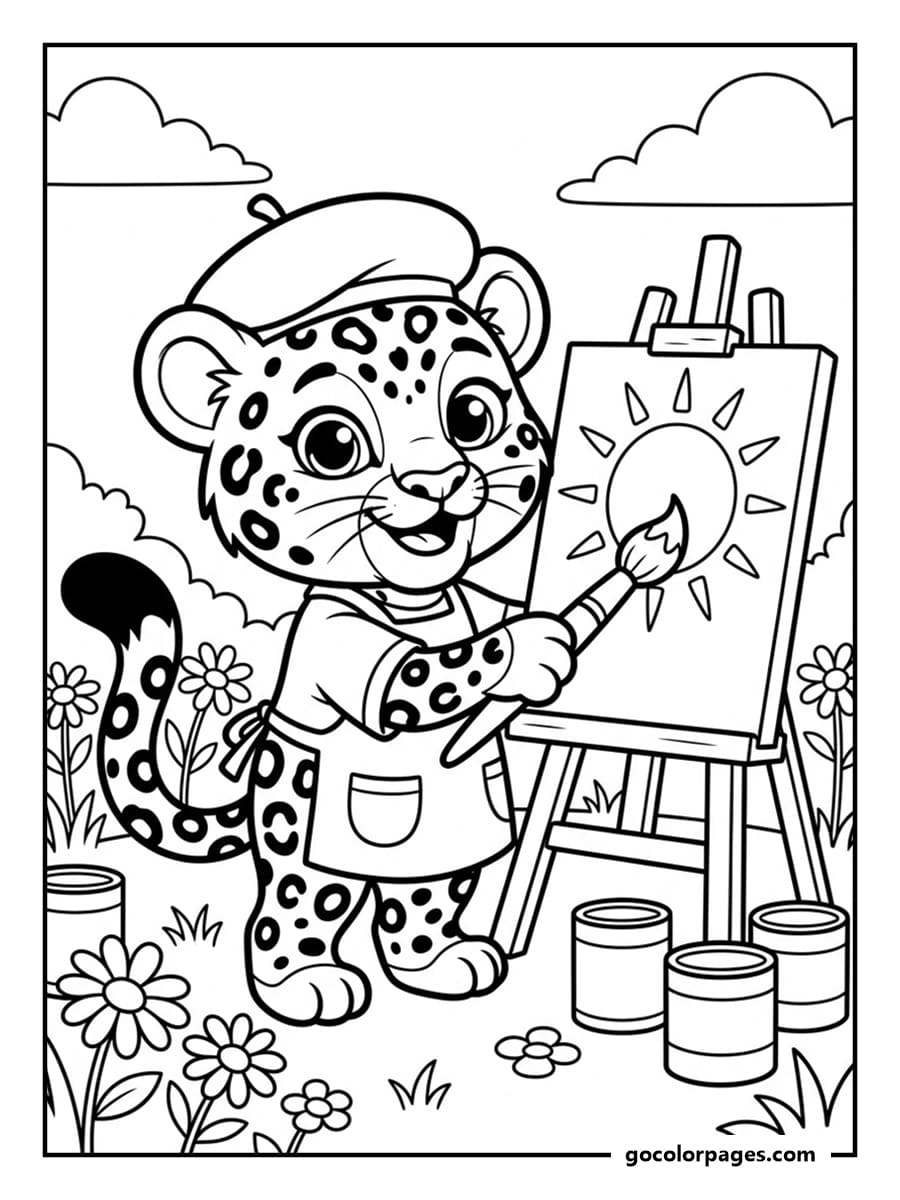
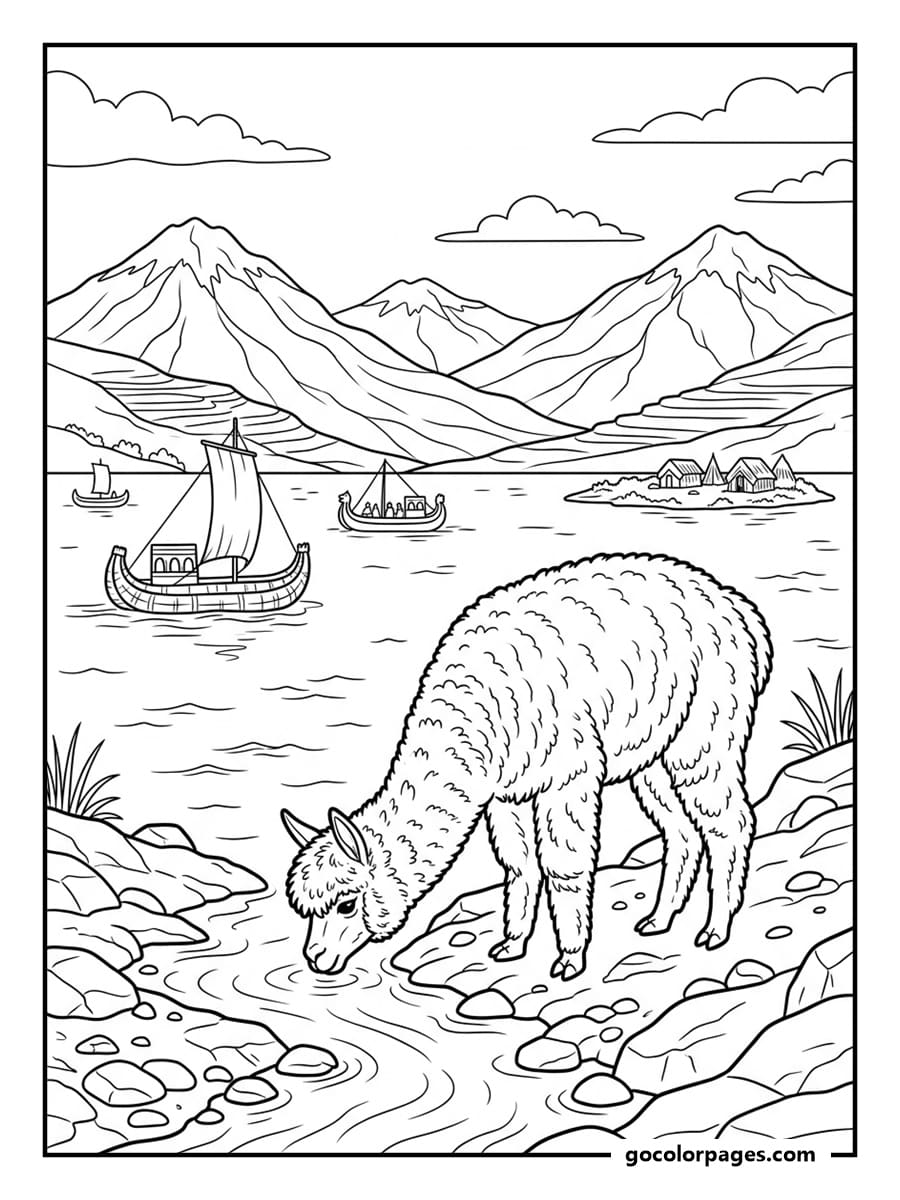
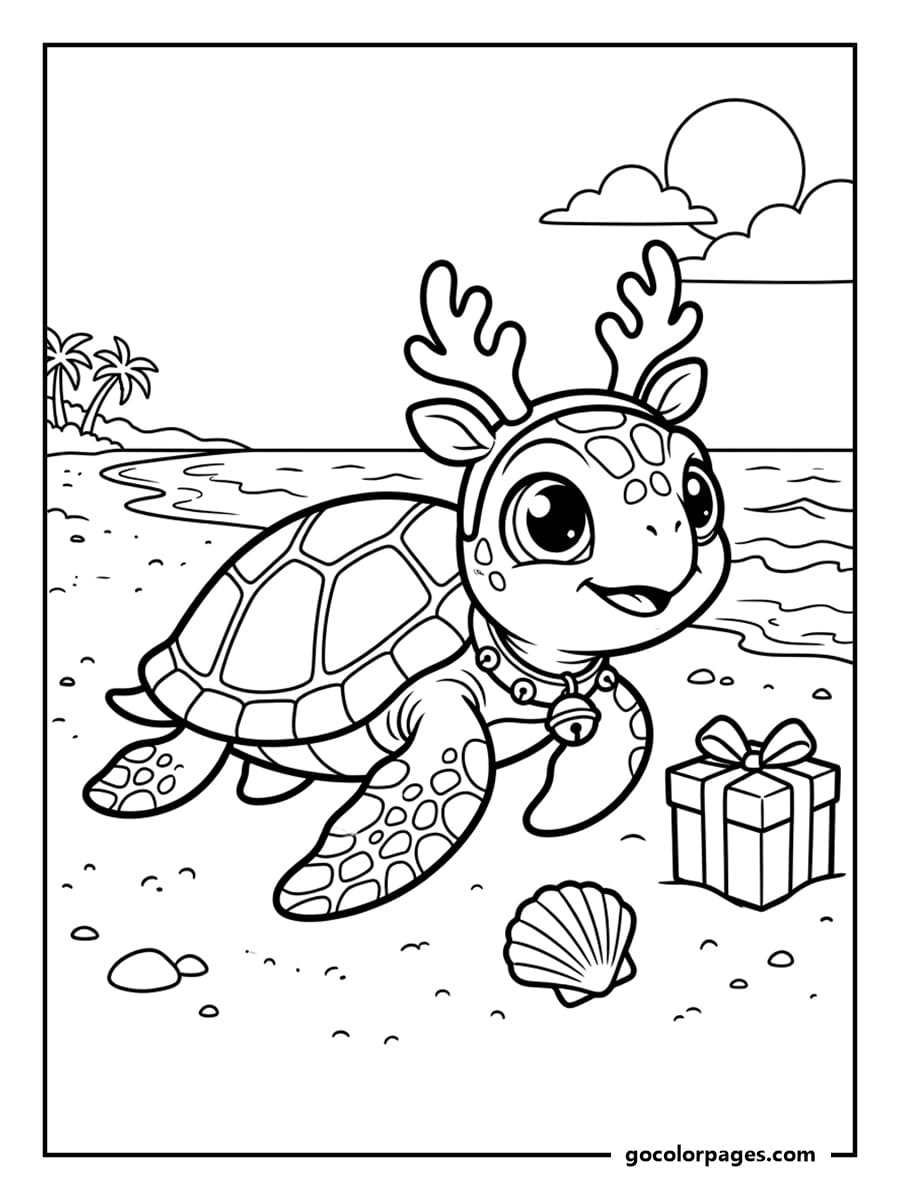
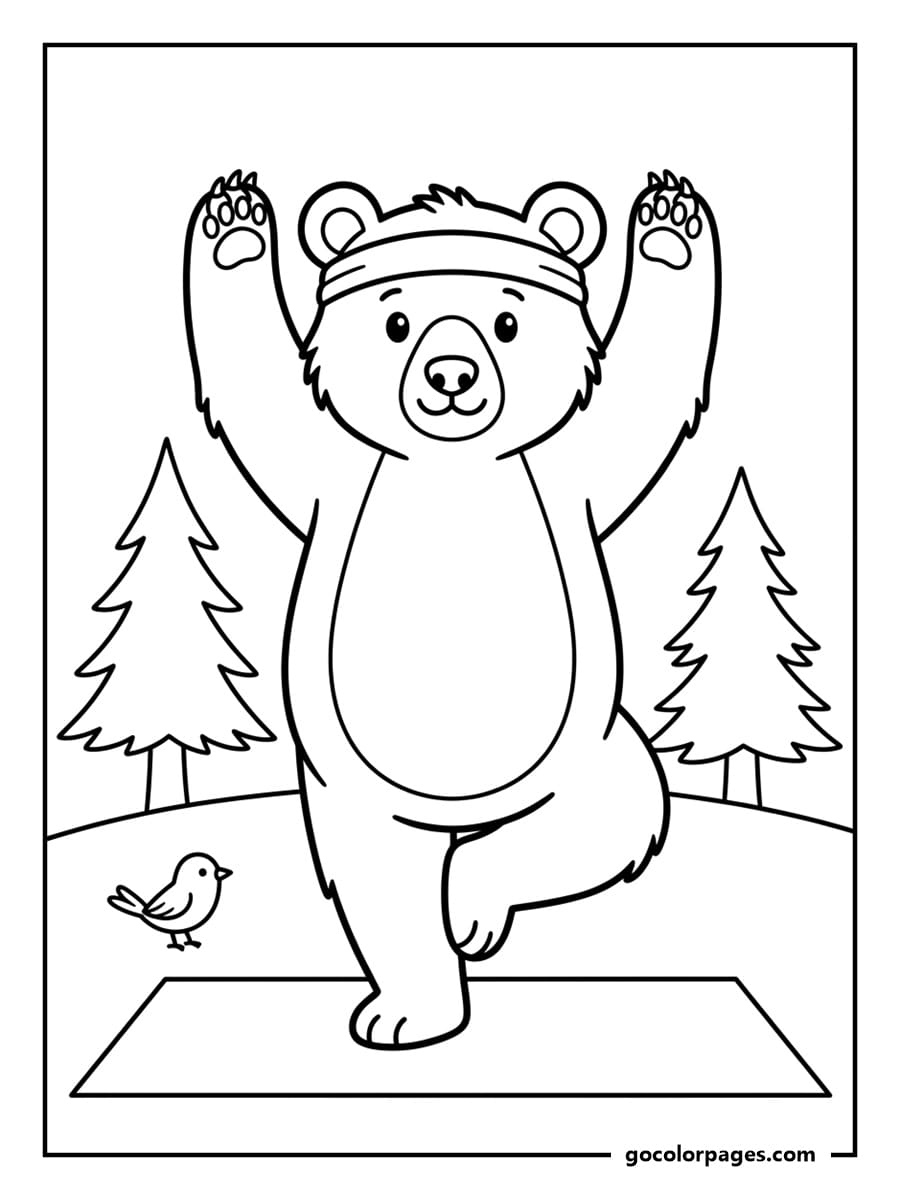
- Wildlife Habitats and Beloved Critters: Our collection of animals coloring pages spans barnyard calves, coral reef sea turtles, and woodland foxes, giving kids and adults built-in fur, feather, and scale textures to explore.
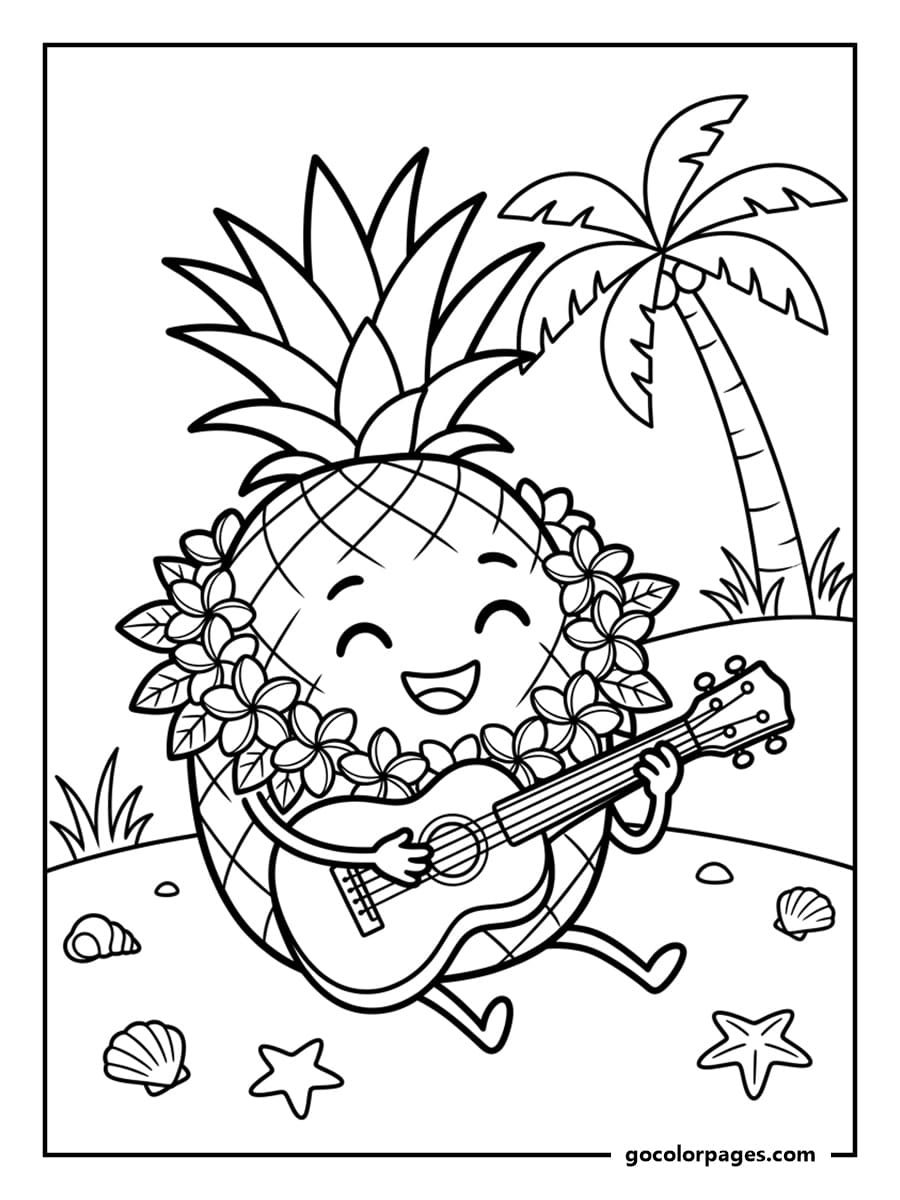
- Bold and Easy Cozy Hygge Scenes: If you want zero-stress evening decompression, cute and easy coloring pages feature thick 2-point outlines of bookshop cats, steaming ramen bowls, and rainy-day bakeries made for smooth marker blending.
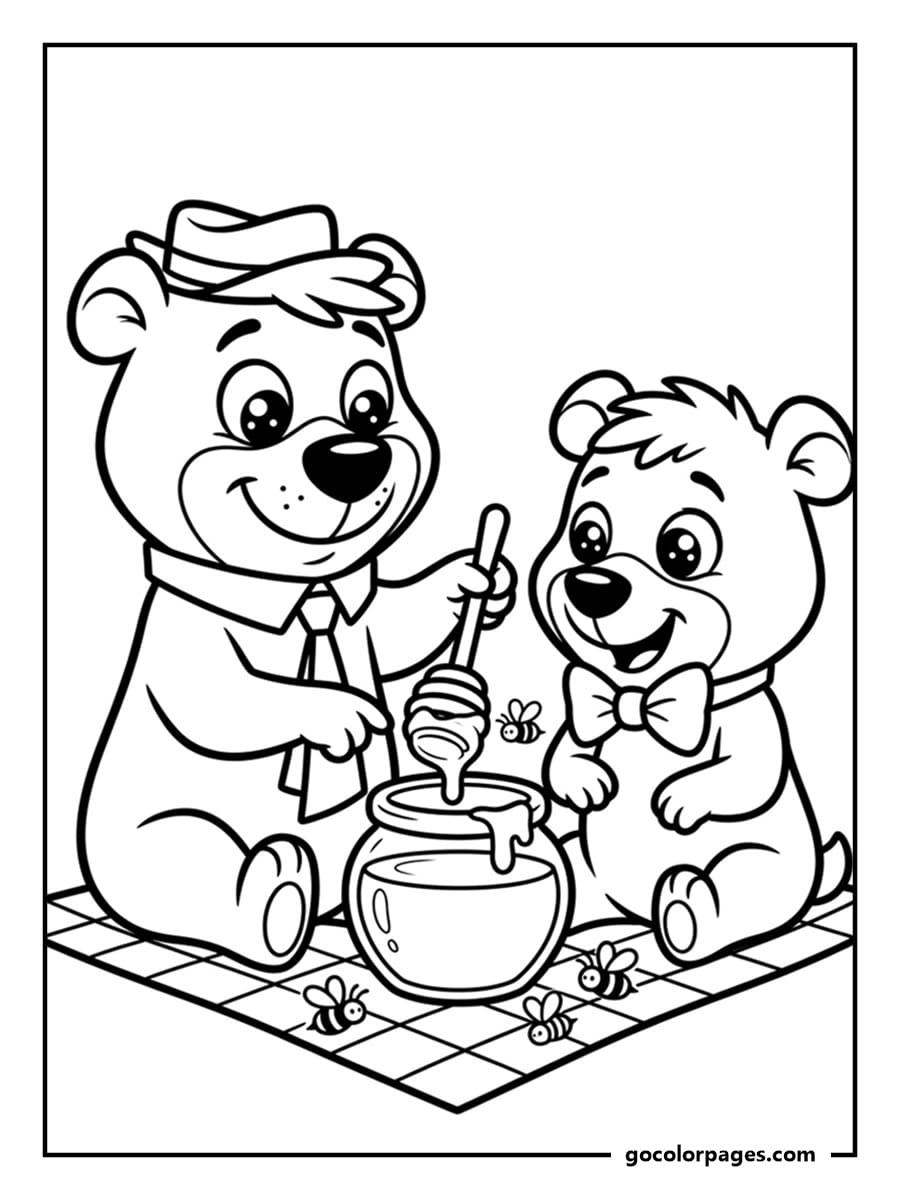
- Action-Packed Kid Story Worlds: Elementary artists stay hooked longest on printable coloring pages for kids that freeze a narrative moment in mid-air, from dinosaurs guarding volcanic nests to astronauts repairing lunar rovers.
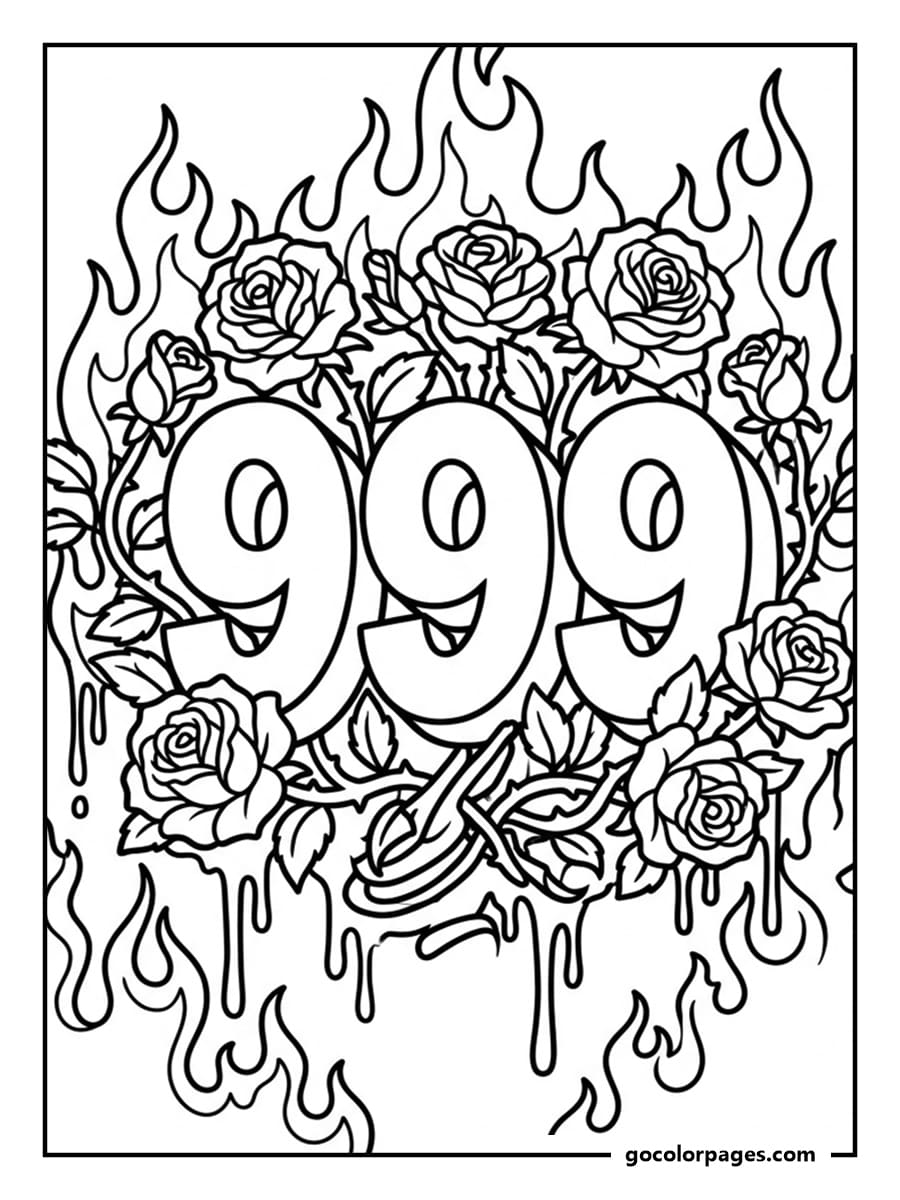
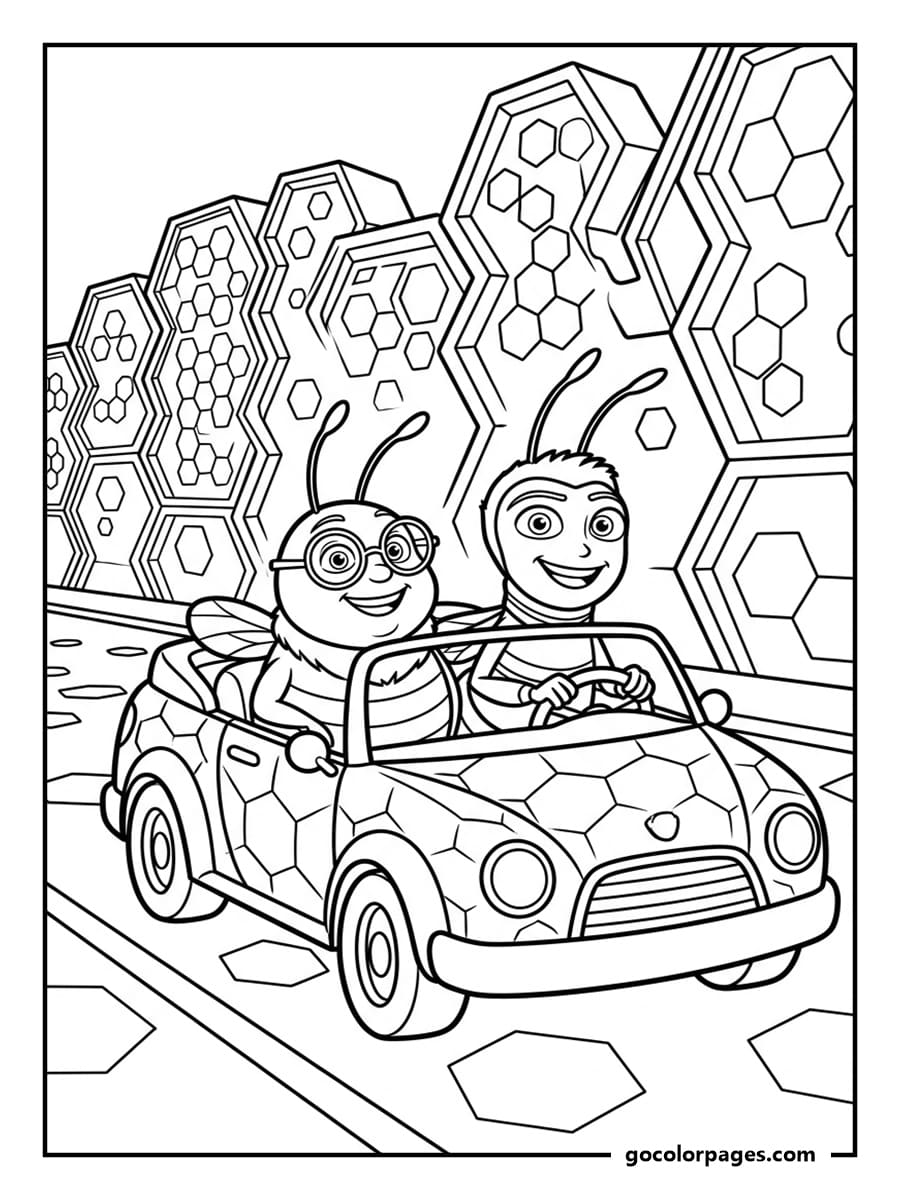
- Intricate Botanicals and Geometric Mandalas: When you want multi-hour immersion, intricate adult coloring pages offer fine-line floral wreaths, stained-glass arches, and symmetrical medallions that reward patient pencil shading.
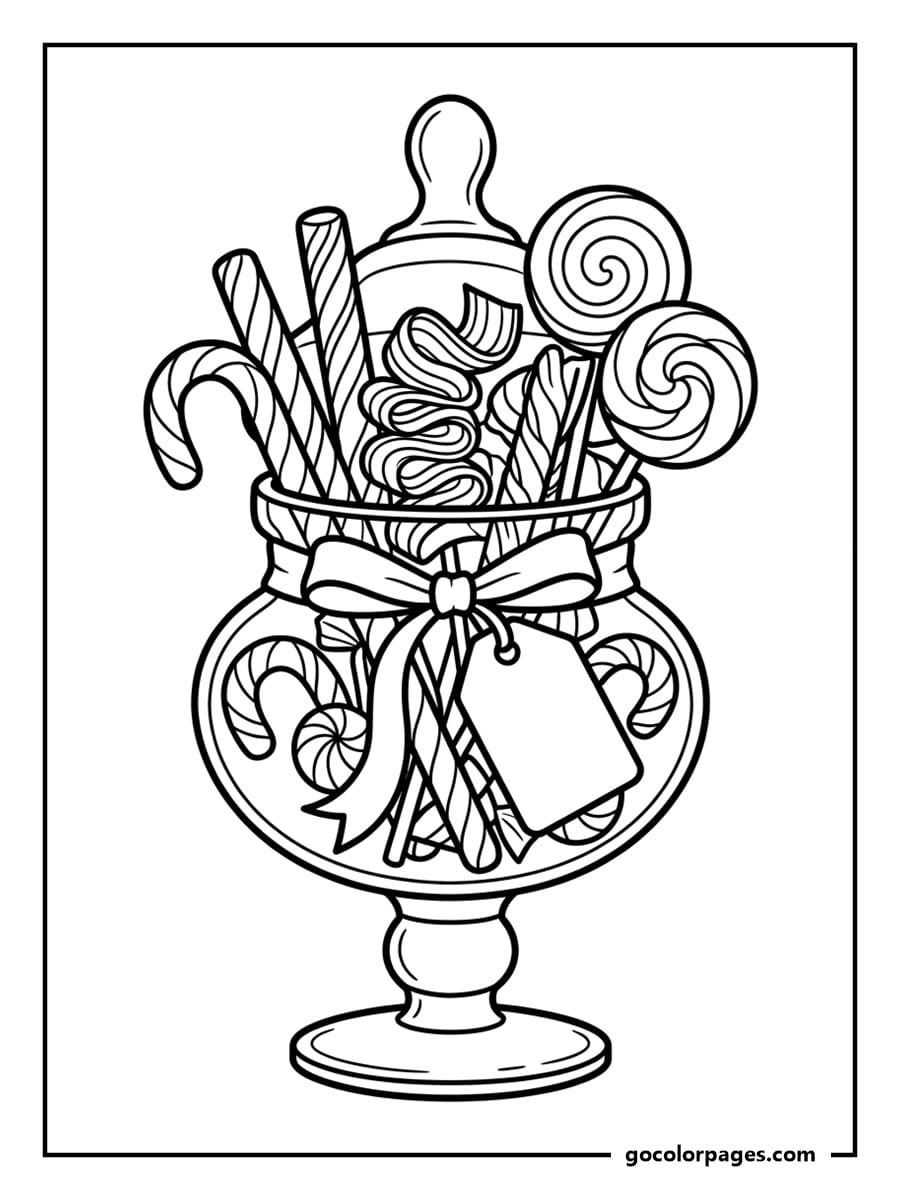
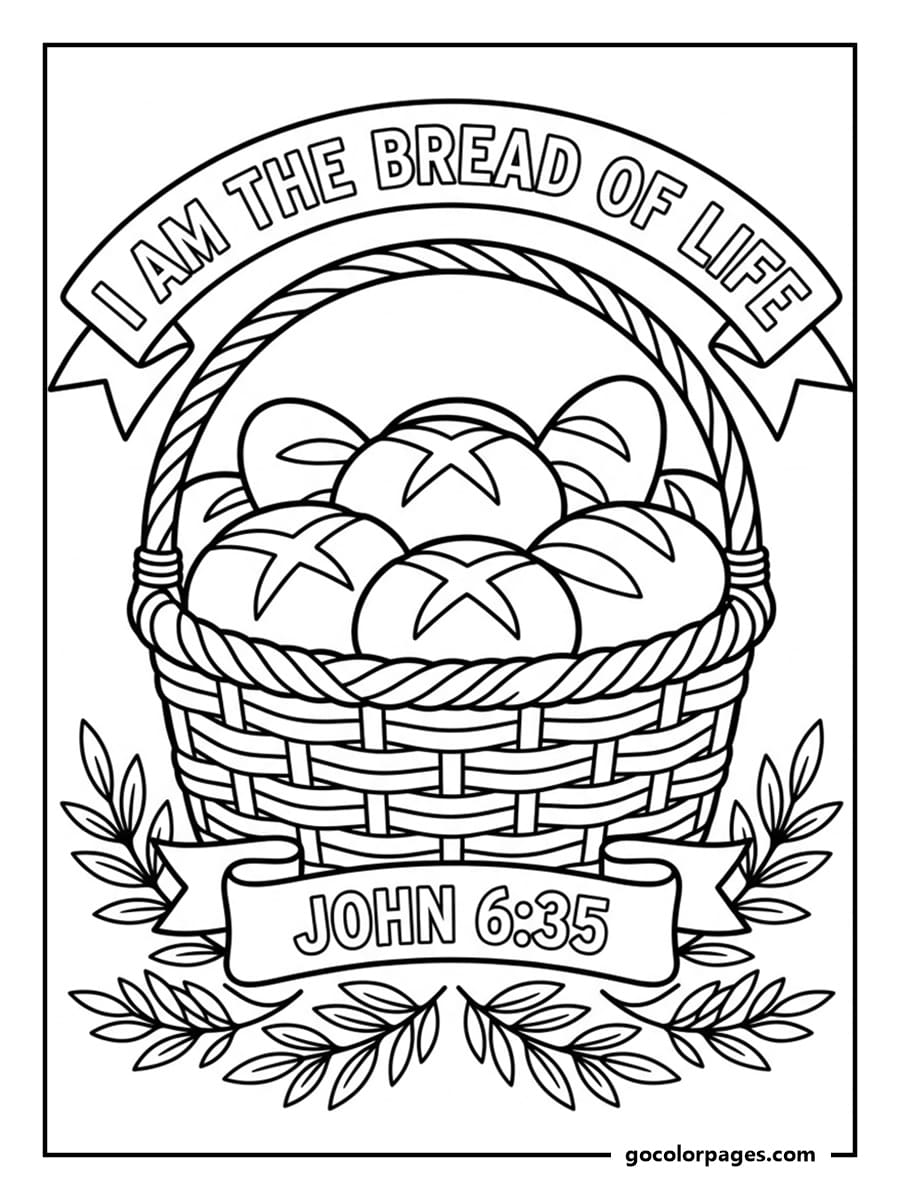
- Seasonal Holidays and Classroom Milestones: Rotating autumn harvests, Halloween jack-o'-lanterns, winter snowflakes, and spring garden packs anchor family kitchen tables and school bulletin boards all year round.
"Laying out five curated sheets on a wooden tray invites immediate focus; handing someone a two-hundred-page binder just triggers another round of scrolling."
What Happens in Your Brain and Hands When Pencil Meets Physical Paper
Coloring pages are far more than a rainy-day time filler when the geometry matches the person holding the tool. In a landmark 2005 clinical study published in the journal Art Therapy, researchers Nancy Curry and Tim Kasser tested 84 college students after inducing anxiety and discovered that coloring structured mandalas or plaid geometric grids lowered state-anxiety levels significantly more than freehand drawing on a blank sheet.
When you sit down to learn how to draw from scratch on empty paper, your prefrontal cortex has to juggle hundreds of micro-decisions about proportion, perspective, and symmetry. Pre-drawn black contours eliminate that executive friction so your nervous system can settle into rhythmic, bilateral hand motion, which neuropsychologist Dr. Stan Rodski showed reduces heart rate and amygdala reactivity within twenty minutes.
- Enclosed Boundaries Quiet the Inner Critic: Clear black borders define exactly where each micro-task begins and ends, shutting down perfectionism and decision fatigue after a long workday.
- Paper Resistance Builds Tripod Grip Endurance: For children ages 3 to 7, pushing wax crayons against real paper grain strengthens the intrinsic thumb and index muscles required for pain-free handwriting.
- Tactile Dopamine Without Screen Overstimulation: Completing six or seven adjacent color zones delivers a steady visual reward without the jarring dopamine spikes and blue-light glare of short-form video feeds.
How to Match Line Thickness and Zone Density to Every Age and Energy Level
Sorting printable coloring pages strictly by subject such as trucks, princesses, or owls is the fastest way to misjudge difficulty. A Highland cow drawn with eight wide shapes feels effortless to a four-year-old, whereas the exact same cow rendered with four hundred hairline fur tufts will overwhelm a ten-year-old.
Before hitting print, run a quick visual diagnostic on a two-inch square near the center of the illustration. Counting the enclosed white zones inside that two-inch box and checking the stroke weight in points tells you exactly who the sheet was built for.
Ages Two to Five Need Three Point Contours and Uncluttered Center Subjects
Between ages 2 and 5, young children are actively transitioning from a full-fist palmar grasp to a three-finger tripod grip. Handing a preschooler a crowded movie scene with tiny background trees almost always ends in ten seconds of frustrated scribbles across the page.
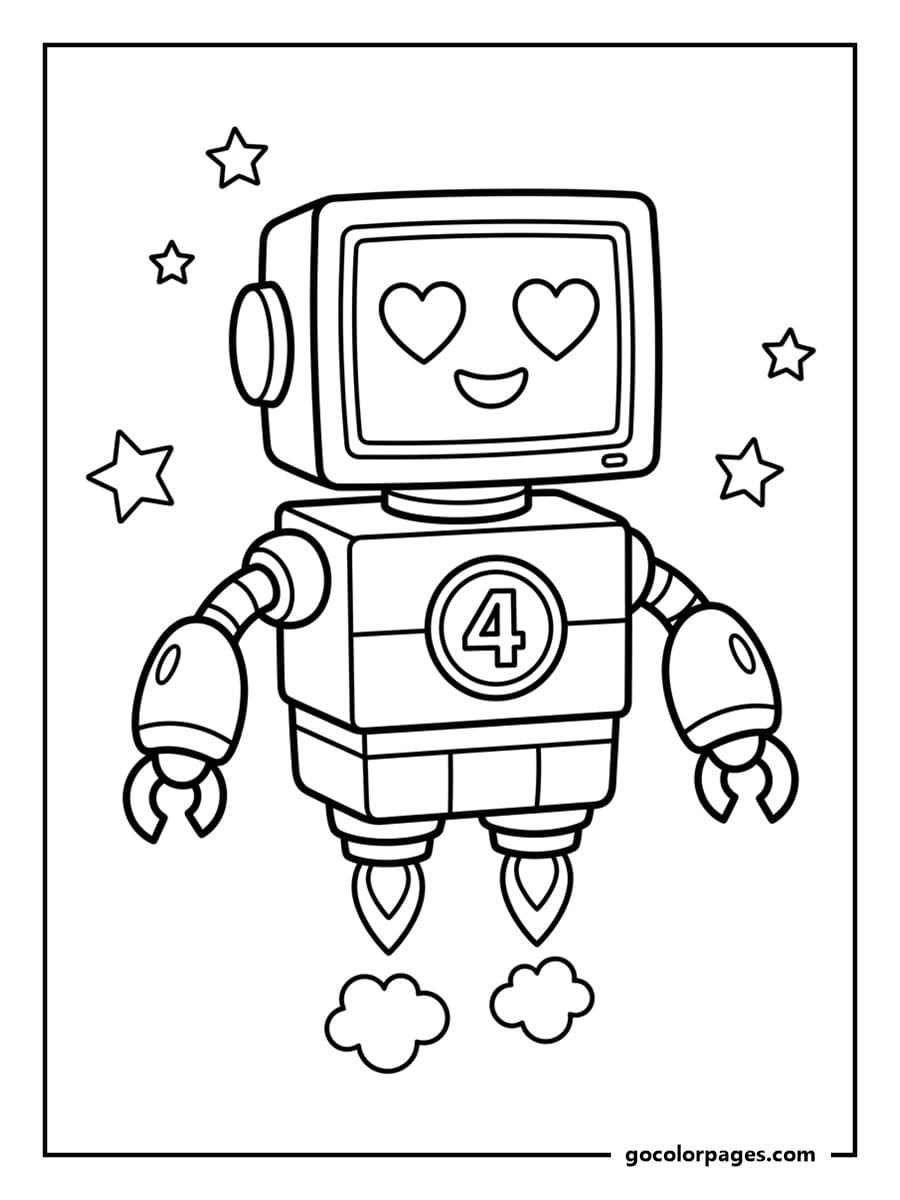
Look for bold outer contours measuring 2.5 points to 3.5 points thick with no more than 5 to 10 large enclosed shapes on the entire sheet. Wide, high-contrast silhouettes with zero background clutter give toddlers a forgiving bumper buffer when steering jumbo Crayola crayons or washable triangular markers.
Ages Six to Ten Stay Engaged With Mid Weight Narrative Scenes
Once children enter first through fifth grade, their wrist rotation tightens up and single floating objects start to feel babyish. Kids in this bracket want a visual story they can customize like a pirate ship weathering a storm, a treehouse laboratory, or a bustling ice cream truck.
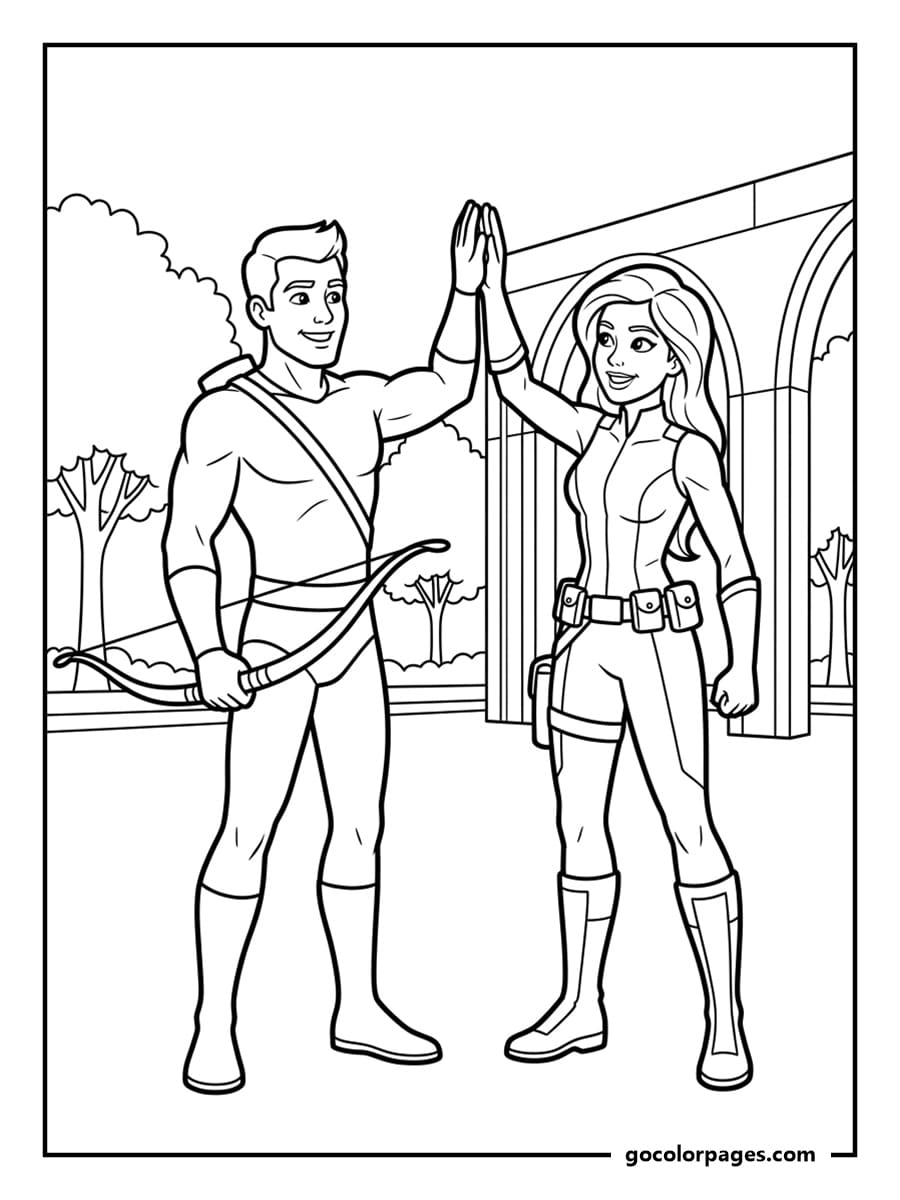
The sweet spot for ages 6 to 10 is a 1.2-point to 1.8-point stroke width containing 25 to 45 distinct shapes across foreground characters and background props. That mid-level density sustains thirty minutes of creative storytelling without exhausting their hand stamina.
Teens and Adults Alternate Between Two Point Cozy Fills and Hairline Detail
For nearly a decade, publishers assumed every adult wanted dense jungle tapestries packed with five hundred microscopic leaves per page. Over the past two years, studio testing and BookTok coloring communities proved that adults actually need different line weights depending on the clock.
- Bold and Easy Marker Sheets (2.0pt to 2.5pt): Built with thick, rounded black lines and generous open zones that let you lay down streak-free wet washes using Ohuhu Honolulu or Copic Sketch alcohol markers in fifteen minutes.
- Micro-Line Mandalas and Botanicals (0.5pt to 0.8pt): Engineered with 150 to 300 delicate geometric compartments for slow, meditative color layering with sharp wax-based or oil-based pencils.
- Pre-Shaded Grayscale Templates: Printed with soft mid-tone gray shadows already mapped underneath the line work, allowing you to glaze translucent pencil tints right over the highlights and darks.
"Pick your coloring sheet to match the mental battery you actually have left at 8 PM, not the artistic ambition you had at 8 AM."
Pairing Paper Grammage and Surface Tooth With Crayons, Pencils, and Markers
Even the sharpest printable file on the internet will feel disappointing if you feed your printer cheap 20 lb (75 GSM) office copy paper. Standard copy paper is calendered flat for high-speed text memos, which means it lacks the internal fiber density to hold wet marker dye or multiple layers of wax pigment.
Every coloring medium interacts with paper grain differently. When we benchmark printable packs in our studio, we match four specific paper weights to the exact tools sitting on your desk.
- Wax Crayons and Washable Classroom Markers: Step up slightly to 24 lb (90 GSM) bright white laser paper, which offers enough structural stiffness to prevent tearing when kids press hard on dark fills.
- Wax and Oil Colored Pencils (Prismacolor Premier or Faber-Castell Polychromos): Print on 65 lb (176 GSM) vellum bristol or medium-tooth cardstock so the microscopic surface valleys grab four to six translucent layers without turning slick and waxy.
- Alcohol-Based Brush Markers (Ohuhu or Copic): Load 70 lb to 110 lb (190+ GSM) smooth uncoated cardstock and slip a sacrificial blotter sheet underneath, allowing alcohol ink to saturate vertically for seamless gradients without bleeding sideways across the black border.
- Watercolor Brush Pens and Metallic Gel Pens: Feed 90 lb (185 GSM) cold-press watercolor paper or heavyweight mixed-media stock through your printer's rear manual slot so wet brush strokes never buckle the sheet.
File Resolution and Printer Settings That Keep Black Outlines Razor Sharp
Nothing ruins the visual calm of a coloring session faster than fuzzy gray staircases clinging to every curved line. That blurriness happens when you right-click and print a compressed 72 DPI webpage thumbnail instead of downloading the native print master.
Before you load your good cardstock, open the file on your screen and zoom in to 300% on a curved detail like an eye or a flower petal. A true vector PDF or 300 DPI master stays jet-black and crisp at 300% magnification, whereas a low-resolution web JPEG breaks into blocky gray squares.
- Always Grab Direct Vector PDF Downloads: Native PDF files calculate mathematical curves directly inside your printer driver, keeping lines razor-sharp whether you print pocket-sized A5 cards or full US Letter sheets.
- Switch Printer Scaling to Fit to Printable Area: Home inkjet and laser printers reserve a 0.15-inch mechanical roller margin around the edges, so selecting "Fit to Printable Area" instead of "100% Actual Size" prevents the bottom frame from getting sliced off.
- Print in Standard Mode When Using Alcohol Markers: High-density "Best Photo" inkjet settings dump excess wet black dye onto the sheet that can smear under alcohol marker solvents, whereas "Normal" mode or dry laser toner stays locked in place.
Frequently Asked Questions About Printable Coloring Pages
Why do free coloring pages from the internet print with blurry gray lines?
Blurry, pixelated edges happen when you print a compressed 72 DPI preview thumbnail directly from a browser grid instead of opening the high-resolution source file. Always click the dedicated "Download PDF" button so your printer receives a crisp 300 DPI or vector print master.
What is the best paper for printing coloring pages at home?
For everyday crayons and washable markers, 24 lb bright white printer paper works cleanly without jamming standard trays. If you use colored pencils or alcohol markers, upgrade to 65 lb vellum bristol or 100 lb smooth uncoated cardstock so heavy pigments blend smoothly without tearing or bleeding through.
How do I print a coloring sheet so the outer borders don't get cut off?
Most downloadable sheets are formatted for either US Letter (8.5 x 11 inches) or international A4 (8.27 x 11.69 inches), and home printers cannot print to the absolute physical edge of the paper. Open your print dialog settings and select "Fit to Page" or "Fit to Printable Area" to tuck the entire border safely inside your printer's roller margins.
Are physical printable coloring pages better for kids than tablet coloring apps?
Tap-to-fill tablet apps help toddlers recognize basic color names, but glass screens provide zero physical friction to build hand strength. Occupational therapists strongly favor physical paper and crayons because children must modulate finger pressure, wrist angle, and bilateral hand coordination to stay inside real boundaries.
Set Up a Ten Minute Screen Free Coloring Ritual Tonight
You don't need an expensive mahogany art desk or a two-hour block of free time to turn printable coloring pages into a genuinely restorative habit. Try these two quick studio setups right now in under ten minutes.
- Run the Two-Sheet Paper Comparison (5 minutes): Print the exact same vector PDF once on regular 20 lb office paper and once on 65 lb cardstock, then shade a single corner on both sheets to feel how real paper tooth transforms your pencils or markers.
- Stage a Three-Page Evening Tray (4 minutes): Print three sheets of different line densities one bold cozy scene, one wildlife portrait, and one geometric mandala and leave them on the kitchen table with five pre-picked colors before dinner so your hands have an easy alternative to late-night phone scrolling.
When you sit down to color or print a fresh stack of sheets for your kids do you find yourself reaching for thick, cozy designs you can finish in fifteen minutes, or detailed scenes you can layer over several evenings?