
Six Free Printable Cross Coloring Pages From Cute Sunday School Outlines to Celtic Knots
Picking a random cross template off a search grid ten minutes before Sunday school starts almost always backfires. A four-year-old in a twenty-minute nursery class, a third-grader memorizing Easter verses in Vacation Bible School, and an adult unwinding during Lent need completely different line geometries.
When we curate our sacred and seasonal templates inside our celebration coloring pages hub and master printable coloring pages library, we group cross illustrations into six distinct collections. Matching the interior complexity to the time on the clock and the markers on your table guarantees every sheet gets finished.
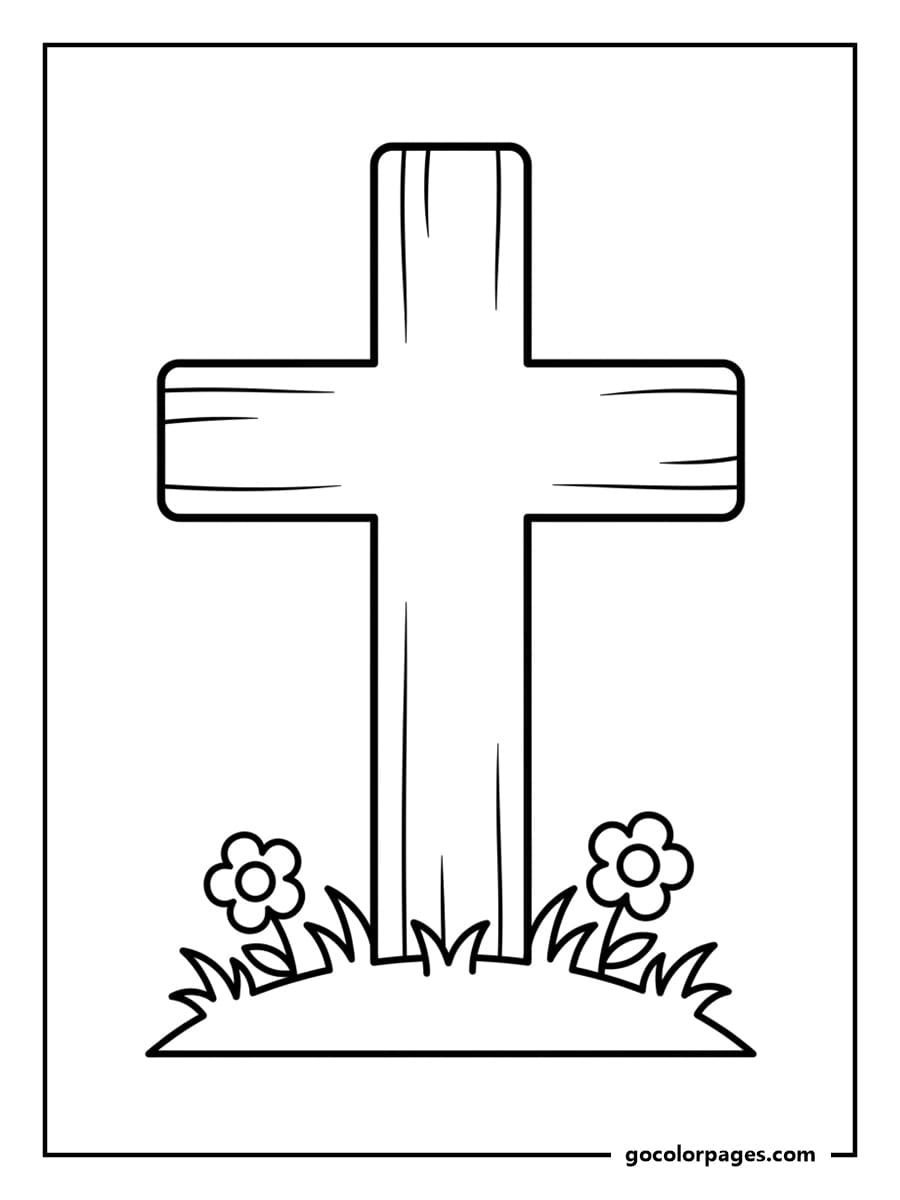
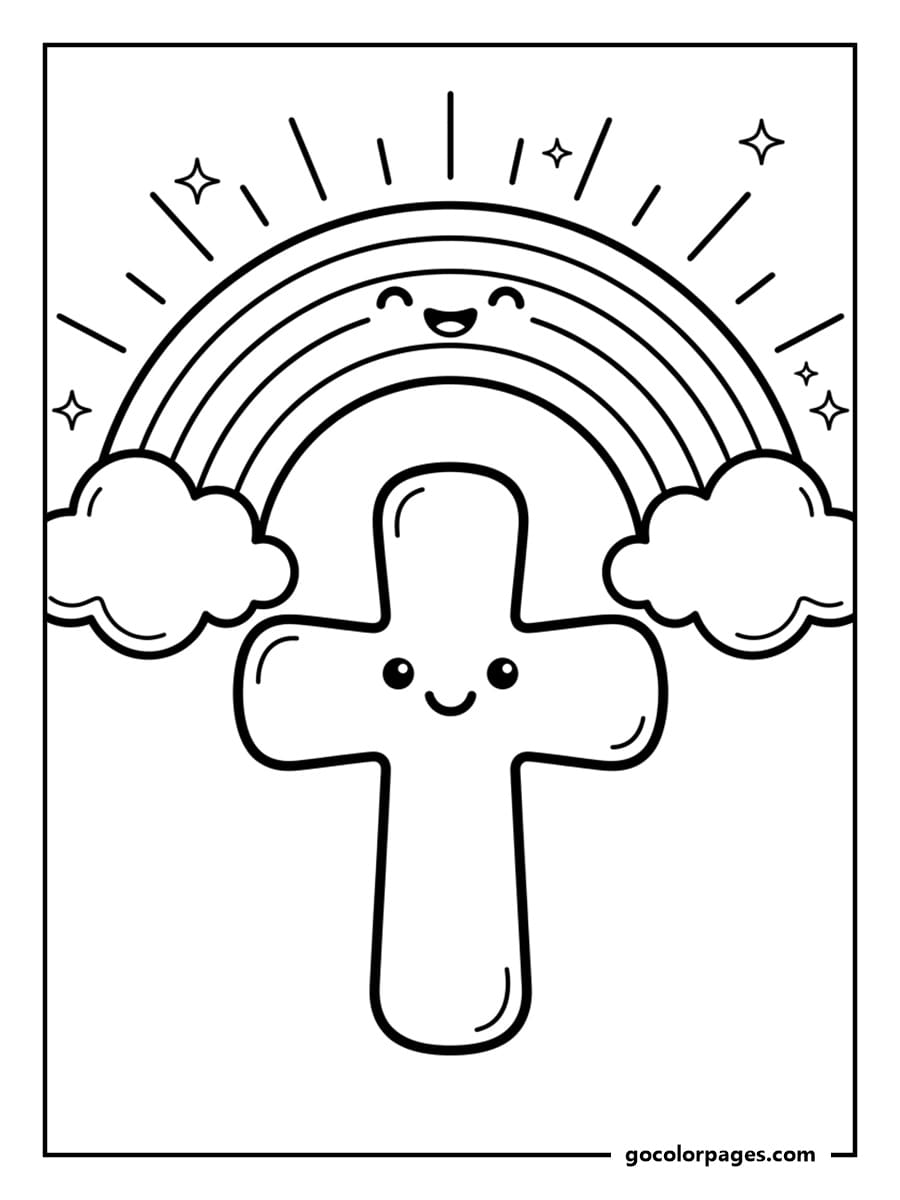
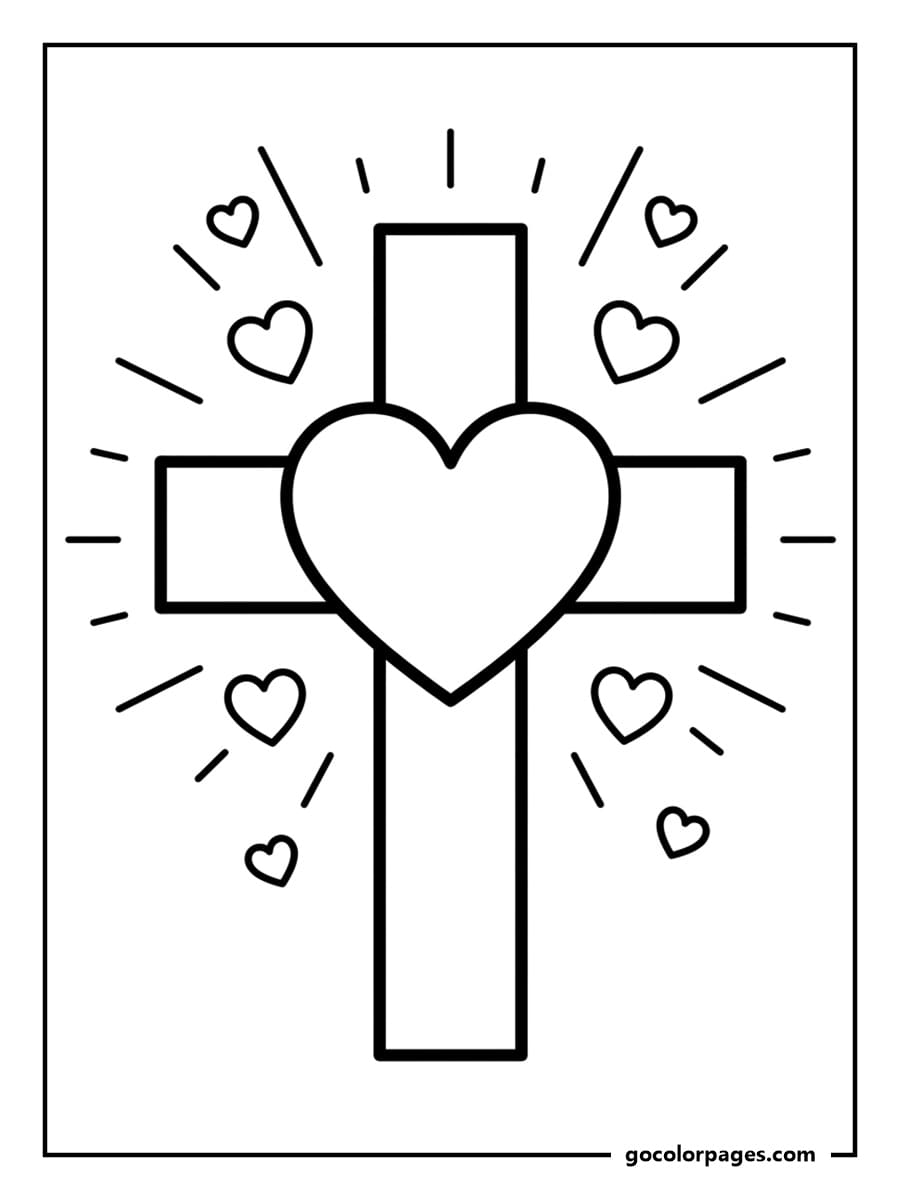
- Easy Preschool and Toddler Cross Outlines for Little Hands: Single bold Latin and equal-armed Greek crosses framed by smiling sunbeams, rainbows, and hearts with four to eight wide open zones built for jumbo wax crayons.
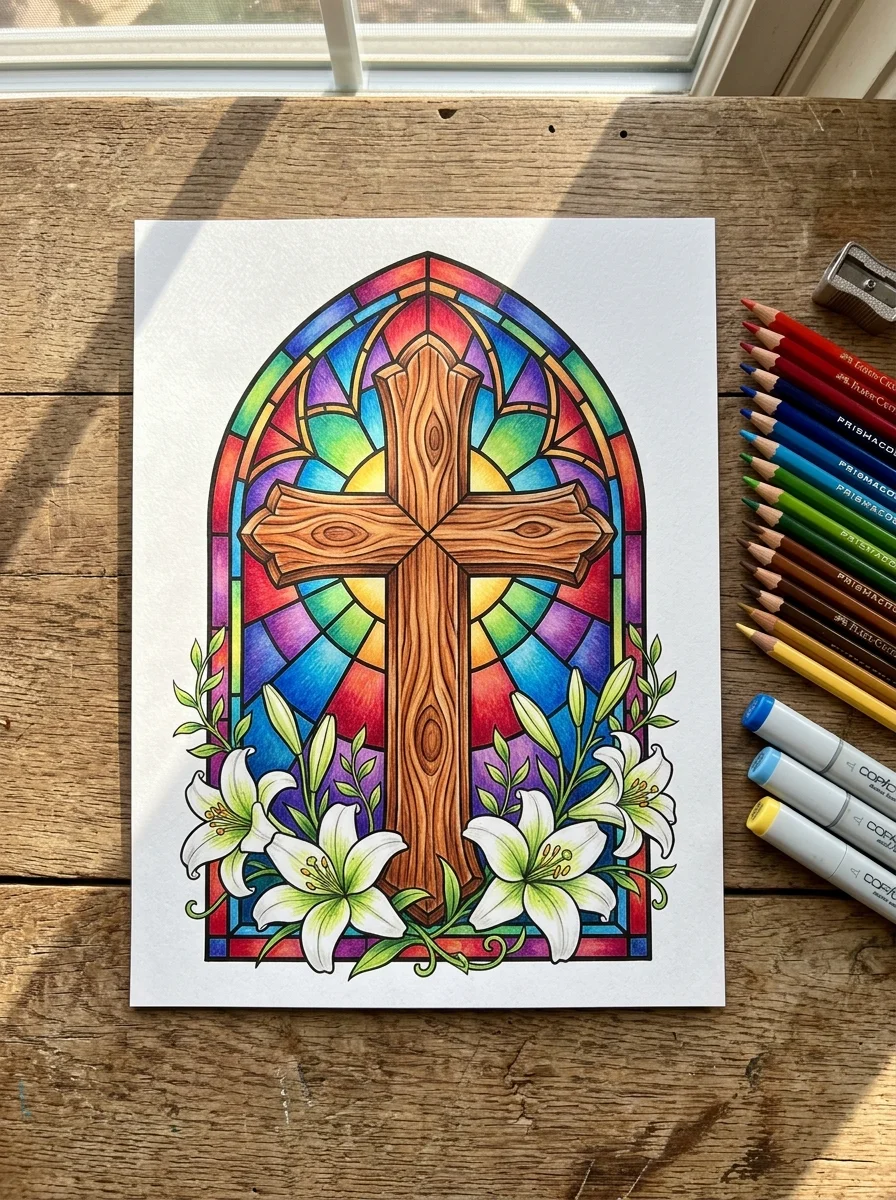
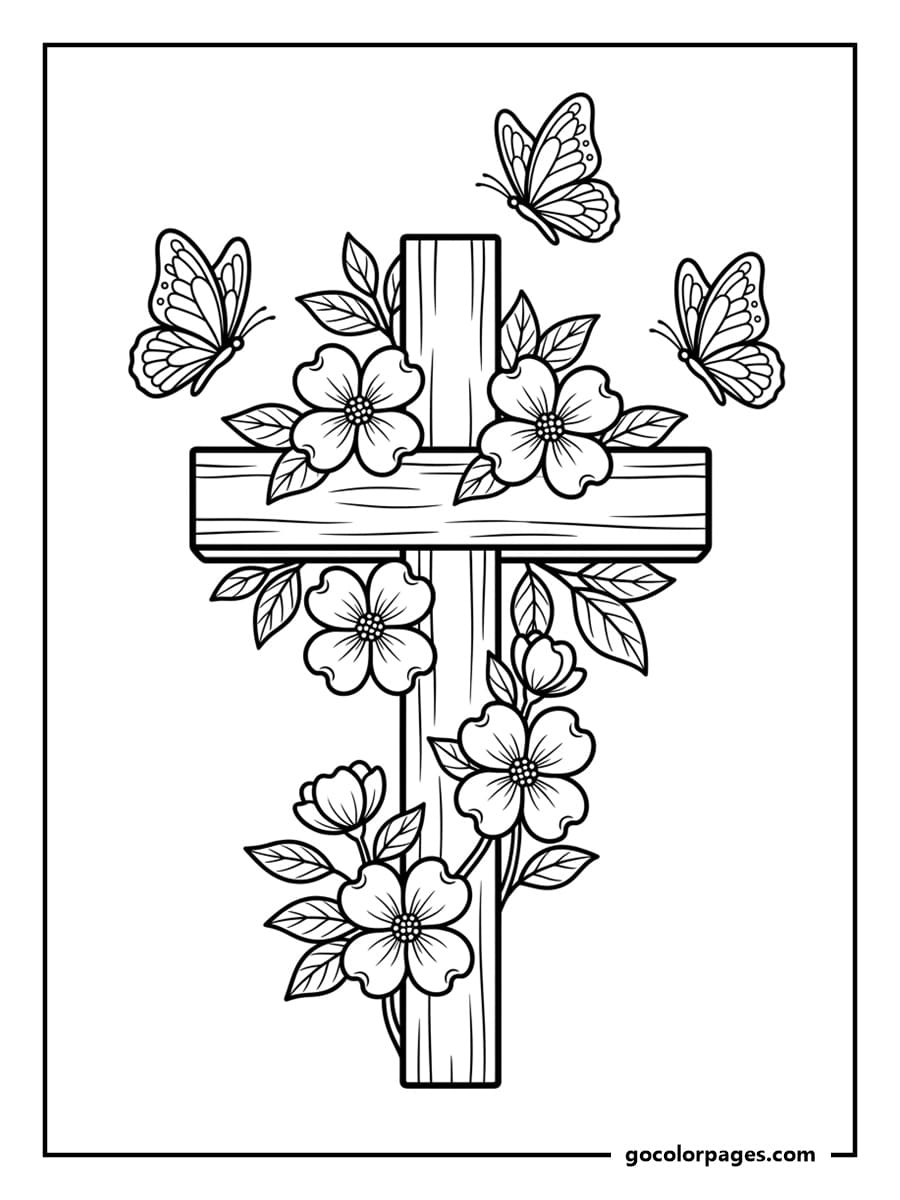
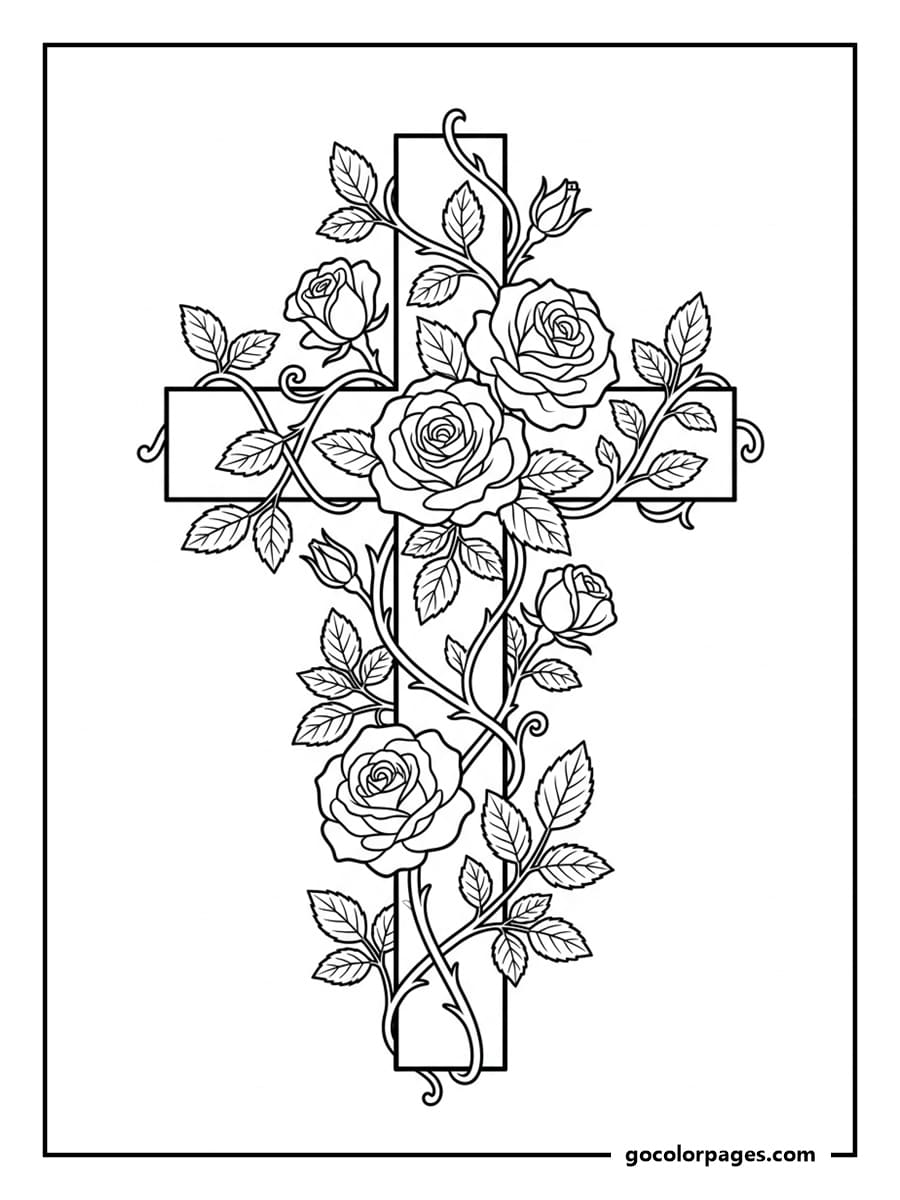
- Cute Floral Easter Crosses Wrapped in Lilies and Spring Vines: Stone and timber crosses draped in trumpet Easter lilies, dogwood blossoms, garden roses, and flutteringbutterflies a warm companion to our cute and easy coloring pages for springtime family tables.
- Segmented Stained Glass and Cathedral Mosaic Crosses: Geometric lead-line panels inspired by Gothic rose windows that turn standard washable markers and gel pens into jewel-toned sanctuary glass.
- Scripture and Bible Verse Crosses for Sunday School and VBS: Open ribbon banners pairing the cross with hand-lettered verses like Matthew 28:6 ("He Is Risen"), John 3:16, Psalm 23, and Philippians 4:13 alongside symbolic olive branches and descending doves.
- Rugged Wooden Calvary and Empty Tomb Sunrise Scenes: Rough-hewn cedar beams, draped Resurrection linen cloths, crown-of-thorns textures, and three-cross hilltop silhouettes for Good Friday and Easter morning lessons.
- Intricate Celtic Knot, Gothic Filigree, and Mandala Crosses for Adults: Endless interwoven Insular ribbons, ringed Irish high crosses, and ornate botanical scrollwork crafted for fans of intricate adult coloring pages.
"Match the cross geometry to the clock on the wall bold eight-pane mosaic crosses shine in a twenty-minute Sunday school block, while ringed Celtic interlace rewards a quiet hour with fine-liner pens."
How to Color Stained Glass Cross Coloring Sheets So Every Pane Glows
Stained glass cross coloring sheets are the most downloaded templates every spring, yet they cause the biggest tabletop disappointment. Watch someone color a mosaic cross with royal purple, navy blue, and ruby red markers, and you'll see them flood every geometric triangle flat from corner to corner. Five minutes later, the black outlines disappear into the dark ink and the cross looks like a heavy patchwork quilt instead of sunlit glass.
Medieval glassmakers at Chartres Cathedral and Sainte-Chapelle solved this optical problem eight hundred years ago. Real cathedral windows glow because thick black lead strips called cames frame shards of varying translucency, catching diagonal sunbeams while keeping dark cool panes from bleeding into one another.
- Reinforce the Printed Black Lead Cames First: Before uncapping a single colored marker, trace over the interior geometric divider lines with a 1.0-millimeter black felt-tip pen so bold iron lead work locks every glass shard in place.
- Pull a Diagonal Sunbeam Gradient Across Every Shard: Never flood a mosaic pane flat from edge to edge; lay your deepest jewel tone in the top-left corner, blend a lighter mid-tone across the center, and leave a narrow diagonal sliver of bare white paper or pale lemon yellow along the bottom-right edge so light appears to stream through the glass.
- Separate Dark Sapphire and Violet Panes With Warm Amber or Rose: Avoid placing two deep cool shades like navy blue and royal purple directly next to each other across a shared line; sandwich a high-luminance warm pane of marigold gold, tangerine, or coral pink between them so both panes vibrate.
- Dot Beveled Corner Specular Highlights With a White Gel Pen: Once your marker ink dries, drop tiny 0.8-millimeter white Posca or Gelly Roll dots inside three or four interior lead-line corners to replicate the glinting edge of cut cathedral glass.
Three Texture Techniques for Carved Wooden Crosses Celtic Knots and Easter Lilies
Even when you step away from stained glass mosaics, coloring a cross with flat back-and-forth strokes robs the centerpiece of its tactile history. Scrubbing a single brown crayon straight down an Old Rugged cross turns rough-hewn timber into a smooth bar of milk chocolate, while jumping blindly into an Irish Celtic cross guarantees two interwoven ribbons will collide in the same color.
Slow down for three minutes on these three classic surface textures. A quick shift in pencil direction transforms flat paper into carved cedar, braided gold, and sunlit Easter petals.
Drawing Weathered Cedar Grain and Split Timber Knots on Rugged Crosses
If you have ever practiced how to draw tree bark or rustic fence posts, you know that real timber is never a uniform block of dark brown. Rough-hewn cedar and oak beams have directional fibers that split, wave, and bend around dark circular knots.
Skip the dark brown marker at the start and lay down a light, even base wash of warm sandstone, tan, or raw sienna across both beams. Take a needle-sharp dark sepia or burnt umber colored pencil and draw two small oval knots along the vertical post, then pull long, wavy vertical grain lines down the beam that part and curve outward around each knot like river water flowing around a boulder. Finish by glazing golden ochre along the sunlit left bevel and deep burnt umber down the shadowed right edge.
Tracking Over-Under Ribbon Paths on Intricate Celtic Crosses
Ringed Celtic high crosses modeled after ninth-century Irish and Scottish stone monuments and the illuminated Book of Kells look mesmerizing until you lose your place halfway through the center intersection. Take your eyes off the page to swap pencils, and you'll accidentally color two crossing straps the exact same emerald green.
Use the Pencil-Dot Loop Trace before touching ink or wax to the sheet. Pick one continuous ribbon, follow its over-under path all the way around the cross with a regular lead pencil tip, and place a tiny, erasable dot inside every segment belonging to that single loop. Color that entire dotted cord one unified shade like burnished gold or teal, erase the dots, and tuck a two-millimeter cast shadow of dark charcoal or indigo on both sides of the strap every time it dives underneath a crossing bridge.
Shading Trumpet Easter Lilies and Draped Linen Against Dark Cross Beams
Floral Easter crosses almost always wrap blooming white trumpet lilies (Lilium longiflorum) or a flowing linen Resurrection sash around the crossbeam. Beginners either leave the flowers completely untouched making the printable look unfinished or shade the petals with a gray lead pencil that makes fresh spring blooms look wilted and dusty.
Keep the outer flare of every lily petal pure, untouched white paper. Instead of gray, blend warm chartreuse-lime green deep inside the throat of the trumpet, dot the central stamens with bright marigold-orange pollen, and glaze whisper-soft periwinkle or lavender into the hanging folds of the linen sash. Then color the wooden cross beam directly behind the flowers in rich burnt umber so the white blossoms leap forward by pure contrast.
Matching Liturgical Color Palettes to Easter Lent and Milestone Sacraments
When Sunday school teachers, parents, or adult colorists ask why their finished cross sheets feel visually scattered, the culprit is usually an unplanned rainbow palette. Grabbing eight unrelated neon markers takes away the quiet reverence that makes sacred art feel grounded.
Centuries of church sanctuary art from medieval altar tapestries to modern seasonal paraments rely on a focused liturgical color wheel. Choosing a three-color seasonal harmony before you start gives your sheet instant emotional focus.
- Lenten Royal Violet, Rose, and Olive Wood for Holy Week: Pair deep imperial purple (symbolizing reflection and royalty) with dusty rose-pink (Laetare Sunday warmth) and weathered olive-brown timber during the forty days of Lent and Good Friday.
- Resurrection Gold, Lily White, and Spring Emerald for Easter Morning: Anchor Easter Sunday sheets in radiant marigold gold, crisp white trumpet lilies, and fresh emerald vine leaves to celebrate the sunrise over the empty tomb.
- Pentecost Vermilion Flame and Dove Silver for Confirmation and VBS: Surround descending dove and flame crosses with vibrant scarlet red, tangerine orange, and sunlit yellow for youth Confirmation cards and summer Vacation Bible School lessons.
- Baptism and First Communion Pearl Blue, Ivory, and Sage Olive: Color baby dedication, Baptism, and First Holy Communion crosses in serene sky blue, warm ivory cream, metallic silver chalices, and soft sage-green olive branches.
"Darkening the timber beam in rich burnt umber is what lets an uncolored white Easter lily or a golden Resurrection banner shine without a single drop of metallic paint."
Four Sunday School and Home Crafts Using Free Printable Cross Pages
A twenty-five-minute Sunday school block or family Easter afternoon flies by fast, and loose sheets of paper rarely survive the car ride home unless they turn into something tangible. You don't need messy glitter pots or expensive acrylic frames to upgrade a paper template into a glowing window ornament.
When we test our printable coloring pages for kids with children's ministry leaders and homeschooling parents, these four low-prep builds consistently turn a ten-minute coloring activity into a keepsake families keep up all spring.
- Three-Drop Baby Oil Faux Stained-Glass Window Suncatchers: Have kids color a segmented stained-glass cross heavily with bright markers or wax crayons, lay the sheet face-down on a paper towel, and gently rub a cotton ball dabbed with three drops of baby oil or kitchen vegetable oil across the back; blot away any excess oil and tape the sheet to a sunny window so natural daylight shines straight through the translucent paper fibers.
- Masking-Tape Resist Sunset Crosses for Preschoolers: Lay two intersecting strips of low-tack painter's tape over the cross beams on heavy paper, let toddlers sponge or brush washable watercolor washes of gold, coral, and violet across the entire page, and peel the tape off slowly once dry to reveal a crisp white cross blazing against a sunset sky.
- Four-Up Laminated Scripture Bookmarks and Easter Basket Tags: Change your printer's Layout setting to "4 Pages per Sheet" to print four pocket-sized Bible verse or Celtic crosses onto one sheet of cardstock; cut the quarters apart, punch a top hole, and tie a six-inch purple or gold satin ribbon through the loop.
- Folded Base-Tab 3D Stand-Up Table Crosses: Cut out a finished wooden or floral cross while leaving a one-inch rectangular paper flap attached to the bottom base, crease the flap backward at a ninety-degree angle, and tape a coin underneath so the cross stands upright on an Easter dinner table or bedside prayer corner.
Frequently Asked Questions About Cross Coloring Pages
How do you turn a paper cross coloring page into a glowing stained glass suncatcher?
Color a segmented stained-glass cross heavily with bright crayons or markers, then flip the sheet face-down on a paper towel and rub a cotton ball dipped in three drops of baby oil or vegetable oil over the back. Once blotted dry, the paper fibers turn semi-translucent and glow like real glass when taped to a sunny window.
How do you color a wooden cross so it looks like real carved wood instead of flat brown?
Start with a light tan or raw sienna base wash rather than dark brown. Use a sharp dark umber colored pencil to draw two small oval wood knots, then pull wavy vertical grain lines down the beam that bend outward around each knot, shading one outer bevel darker for 3D depth.
How do you color an intricate Celtic knot cross without losing track of the loops?
Before coloring, trace one continuous interwoven ribbon with your finger and place a light pencil dot inside every segment of that single loop. Color the dotted strap one uniform shade, then add a narrow two-millimeter dark shadow on both sides of the ribbon wherever it passes underneath a crossing bridge.
Which easy cross coloring pages work best for toddlers and Sunday school classes?
Toddlers and preschoolers ages two to five do best with thick-outlined Latin or Greek crosses featuring four to eight wide coloring zones, smiling clouds, rainbows, or a single large flower. Save tiny mosaic glass shards and dense Scripture cursive for elementary kids who have developed a steady tripod pencil grip.
Print One Cross Coloring Sheet and Try the Sunbeam Glass or Wood Knot Trick Today
You don't need a stained-glass workshop or a forty-piece set of brush pens to make your next cross printable glow. Grab one free PDF sheet right now and test these two tabletop techniques in under ten minutes.
- Test the Diagonal Sunbeam Gradient on Five Mosaic Panes (4 minutes): Print any stained-glass cross PDF, trace the black divider lines with a dark felt-tip pen, and shade five adjacent shards from a deep jewel corner down to a bare white bottom-right sliver to watch the paper catch light.
- Rub Three Drops of Oil on a Finished Sheet for a Window Suncatcher (5 minutes): Flip a brightly colored cross printout over on a kitchen paper towel, swipe a lightly oiled cotton ball across the back of the cross, and hold it up to a sunny window to see the colors turn translucent.
When you print cross coloring pages for your family table or Sunday school class, do you gravitate more toward glowing stained-glass mosaics, blooming Easter lily crosses, or intricate interwoven Celtic knots?