
How to Pick Cute Alpaca Coloring Pages and Spot Llama Impostors
Before you waste printer ink on a mislabeled template, run a three-second head-to-tail check. While both creatures belong to the South American camelid family in our master animals coloring pages library, alpacas (Vicugna pacos) were bred for six thousand years strictly for cloud-soft fiber, whereas llamas (Lama glama) were built as muscular mountain pack carriers.
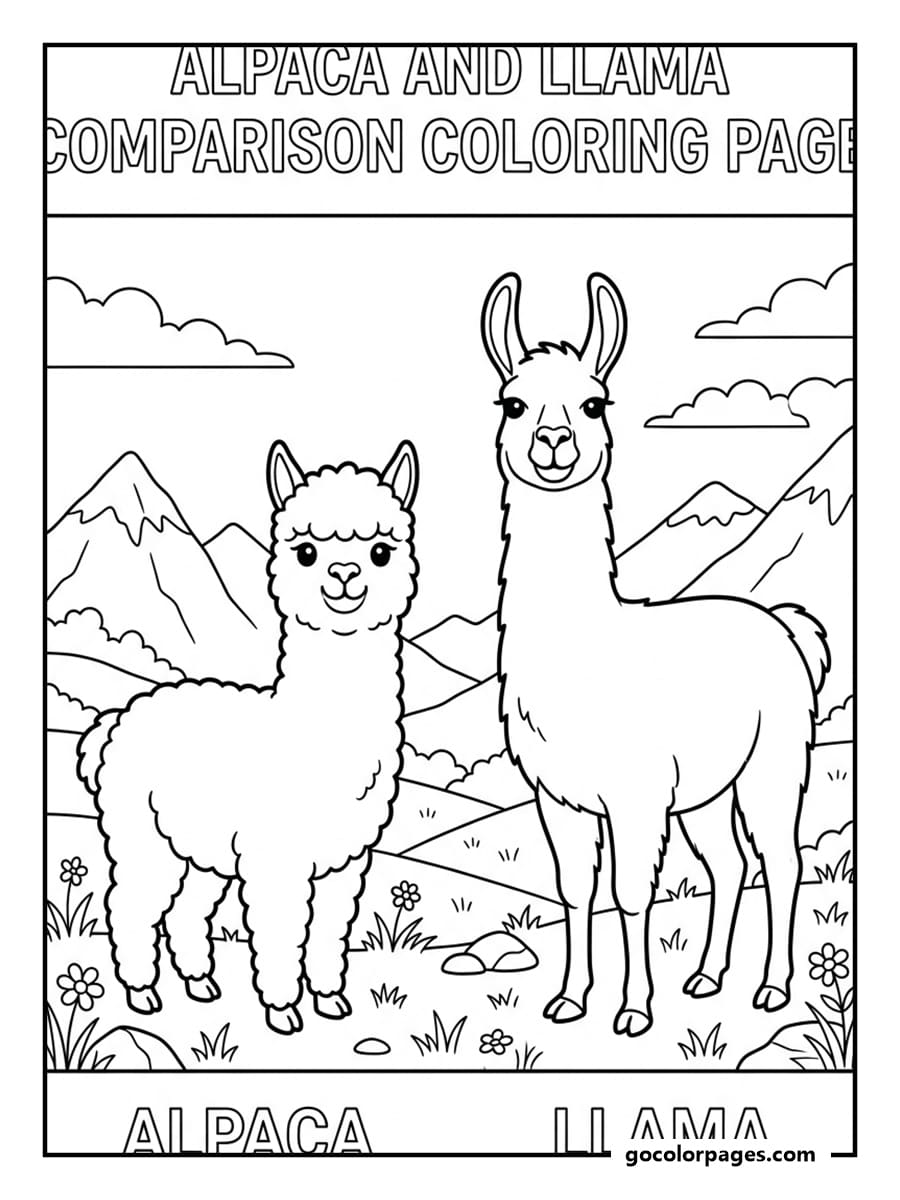
Look right at the ears and forehead first. A true alpaca has short, straight, spear-shaped ears, a thick wool "bonnet" that tumbles over its eyes, a tiny smooshed nose, and a sloped, rounded rump. A llama stands nearly twice as heavy, sporting long inward-curving "banana" ears, a bare elongated face with almost no forehead fluff, and a flat, high-hipped back.
Once you know you're looking at a real alpaca inside our printable coloring pages collection, matching the PDF style to your table's age group and markers takes ten seconds.
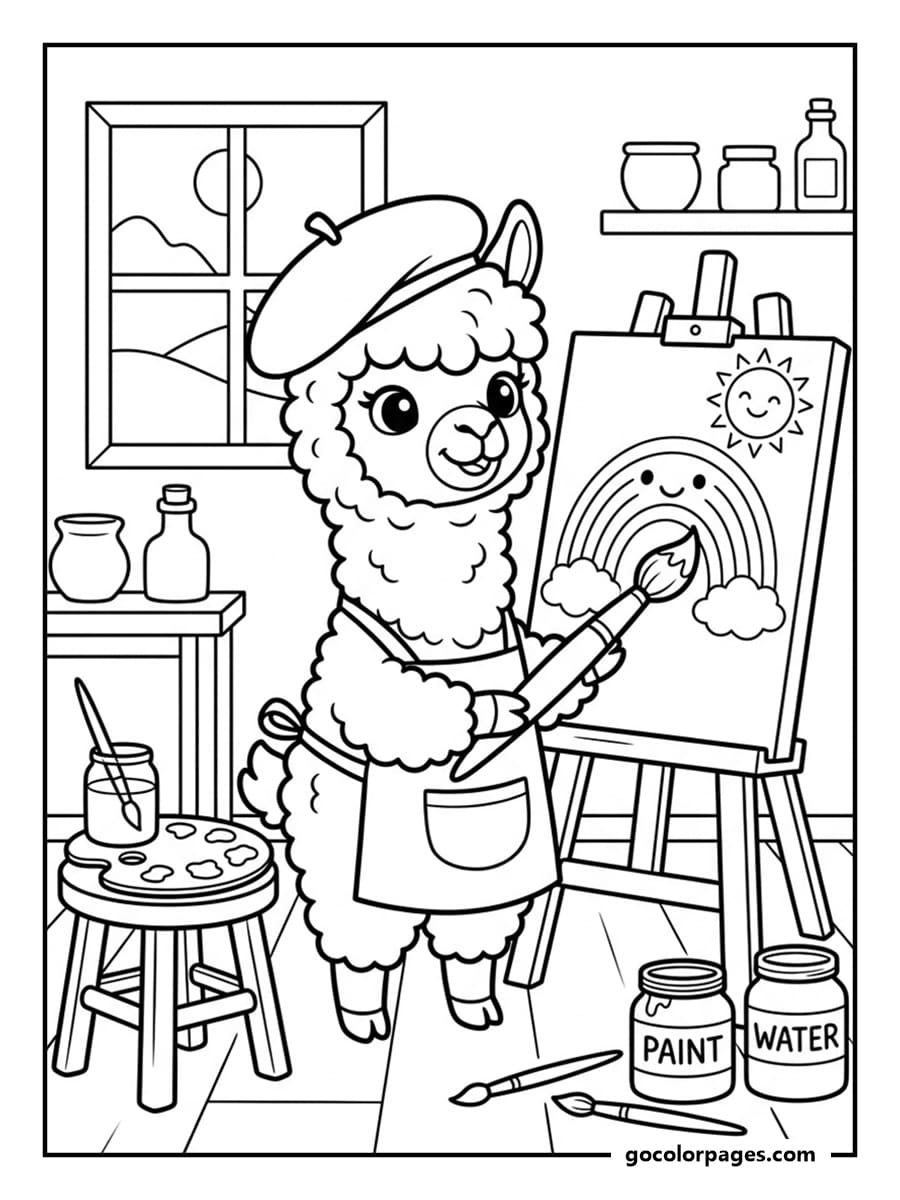
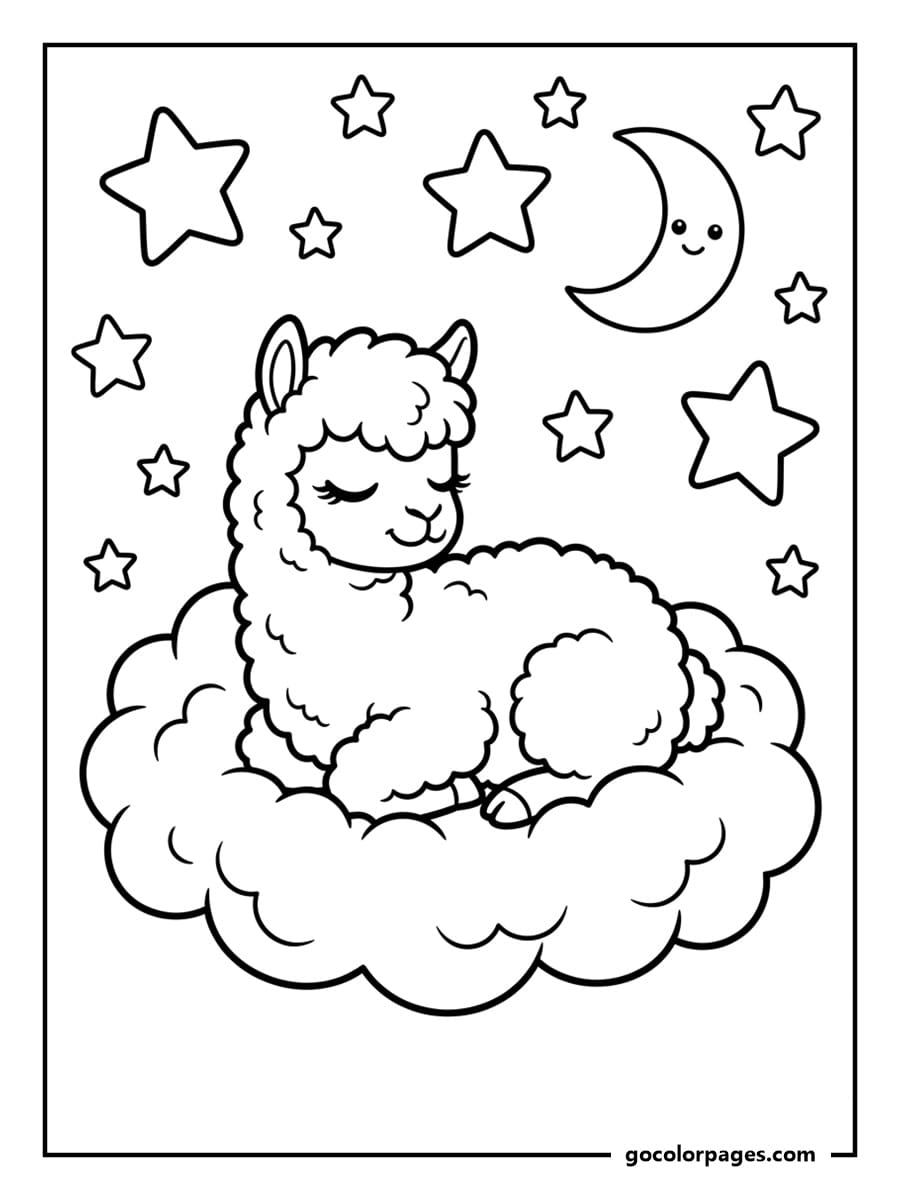
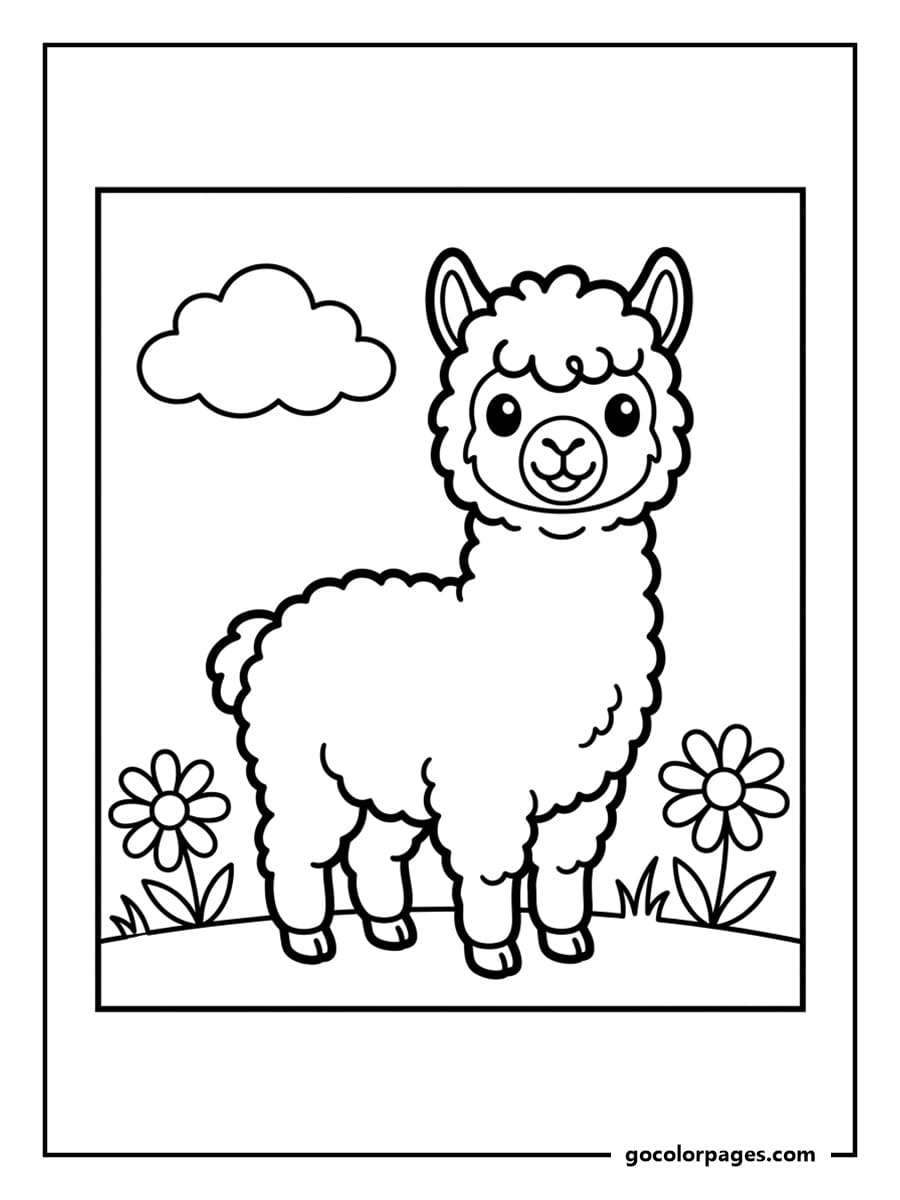
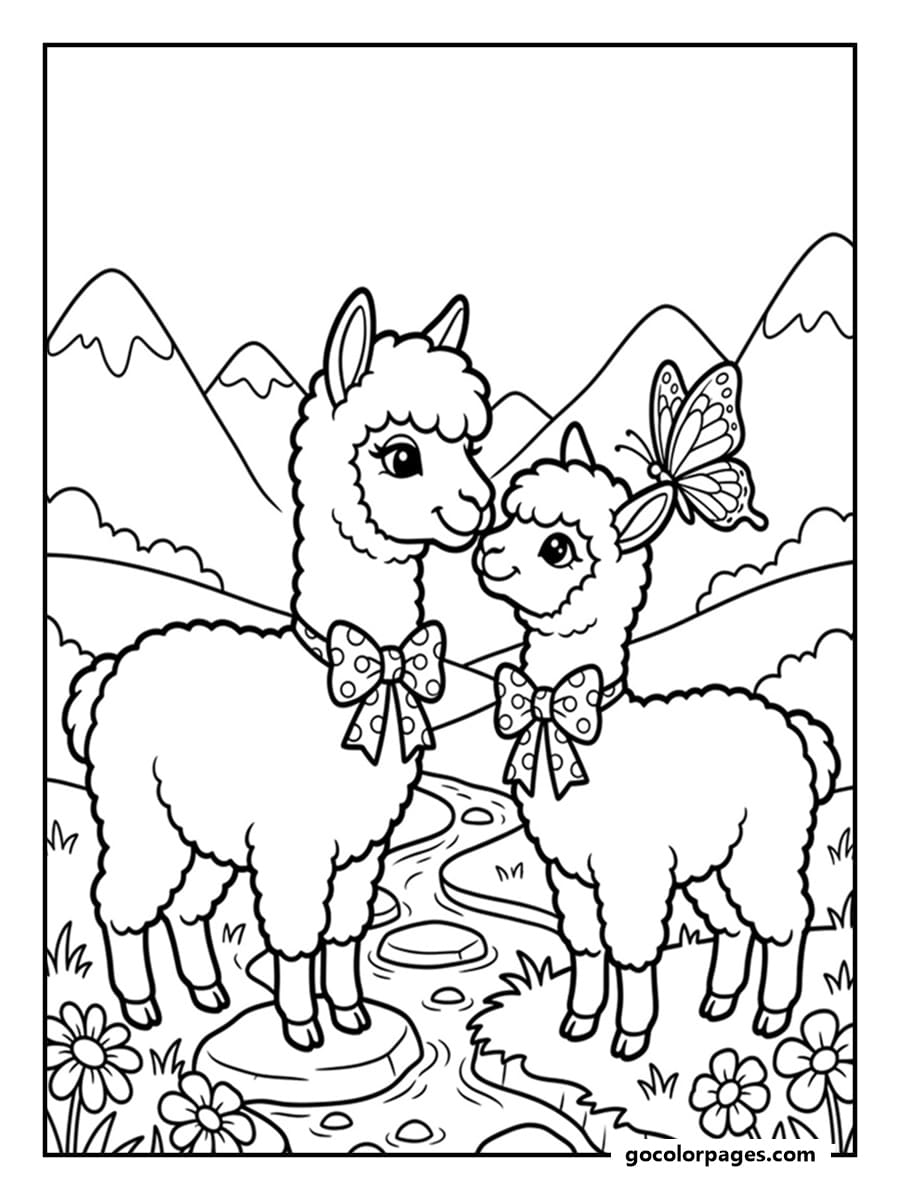
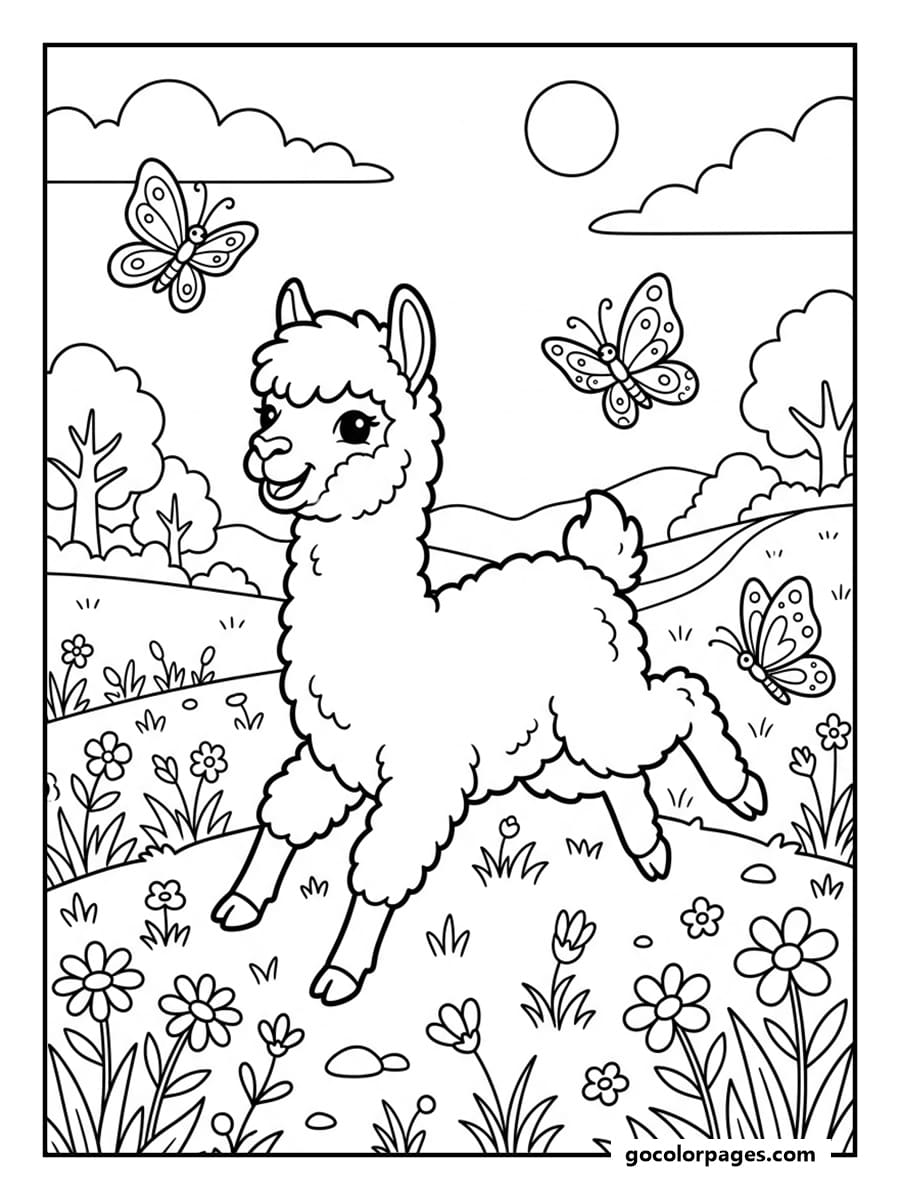
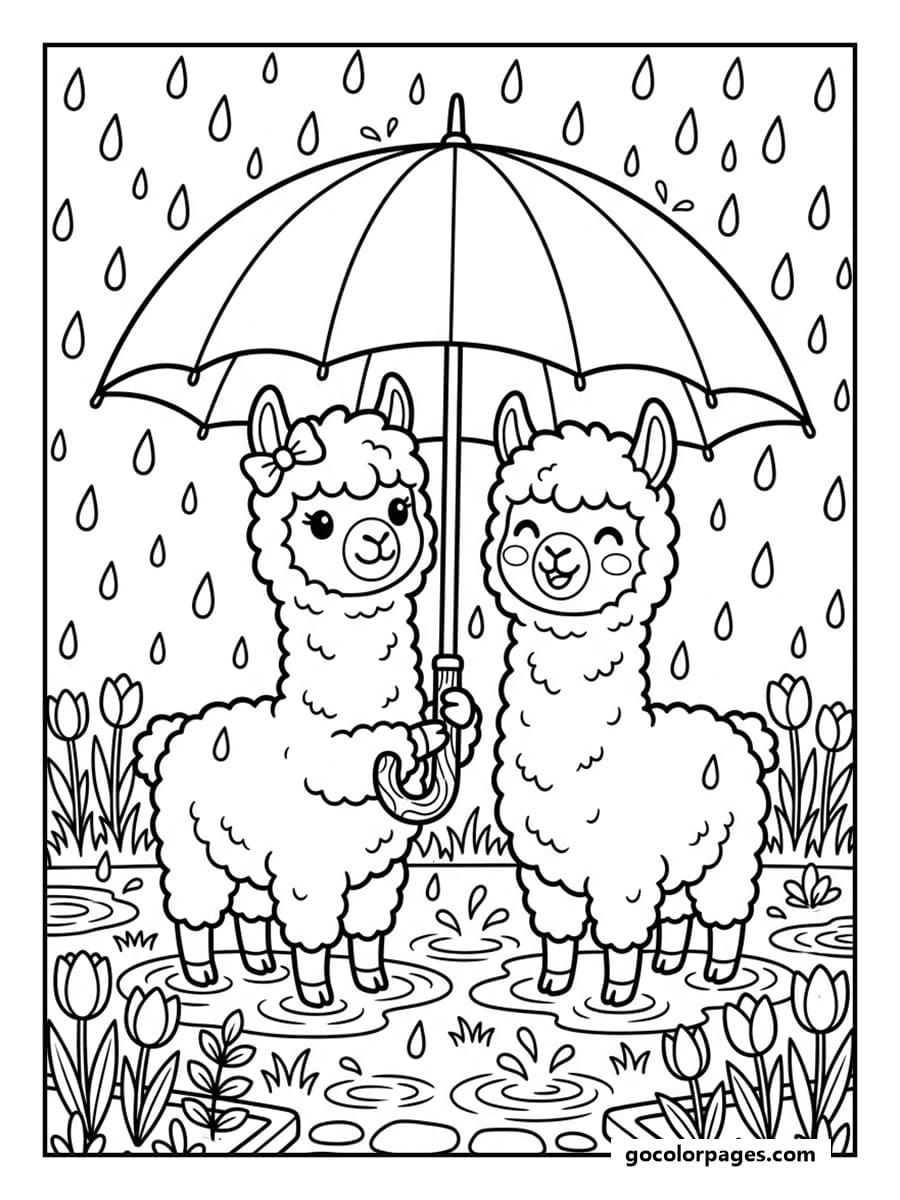
- Easy Baby Alpaca Coloring Pages for Toddlers and Preschoolers: An alpaca baby is called a cria, and our starter sheets feature oversized heads, long-lashed eyes, and six to nine wide cloud puffs with zero tiny background pebbles so two-to-five-year-olds can practice circular crayon motion easily.
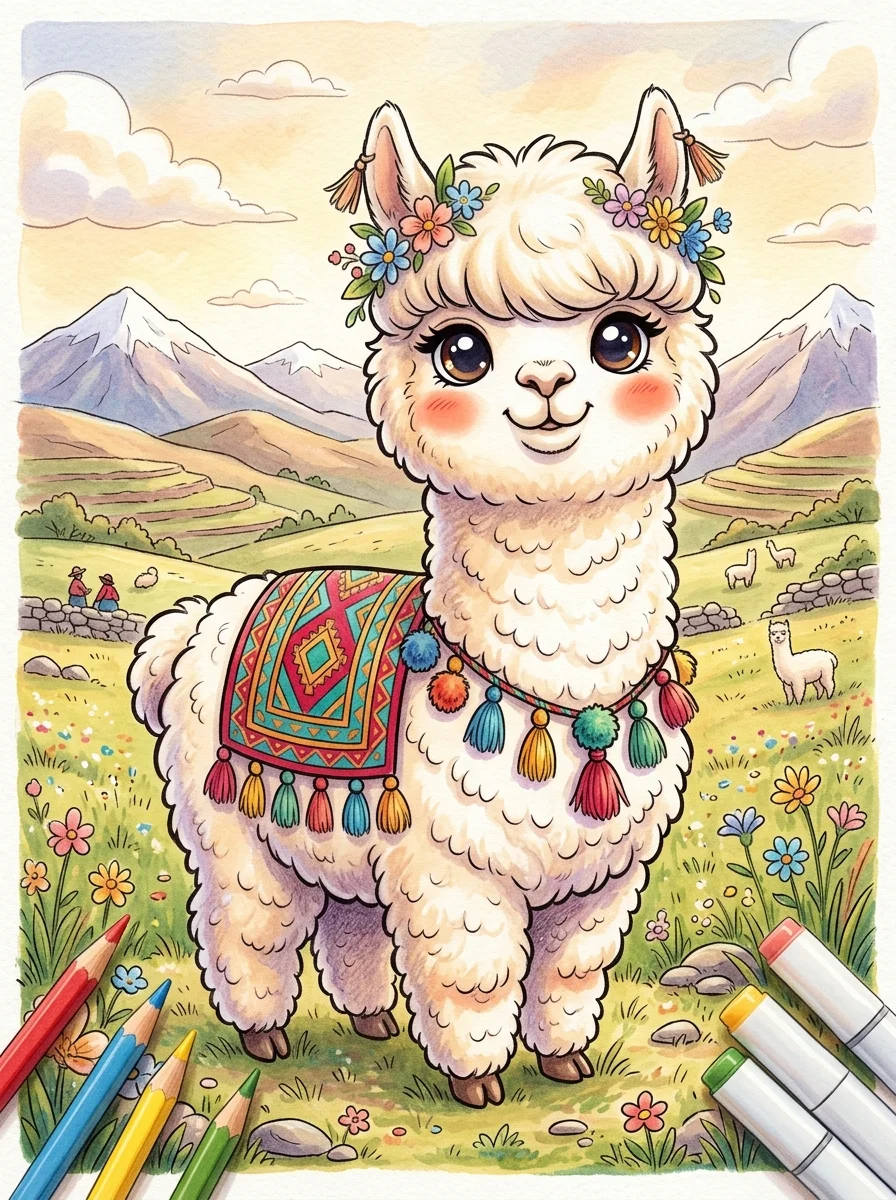
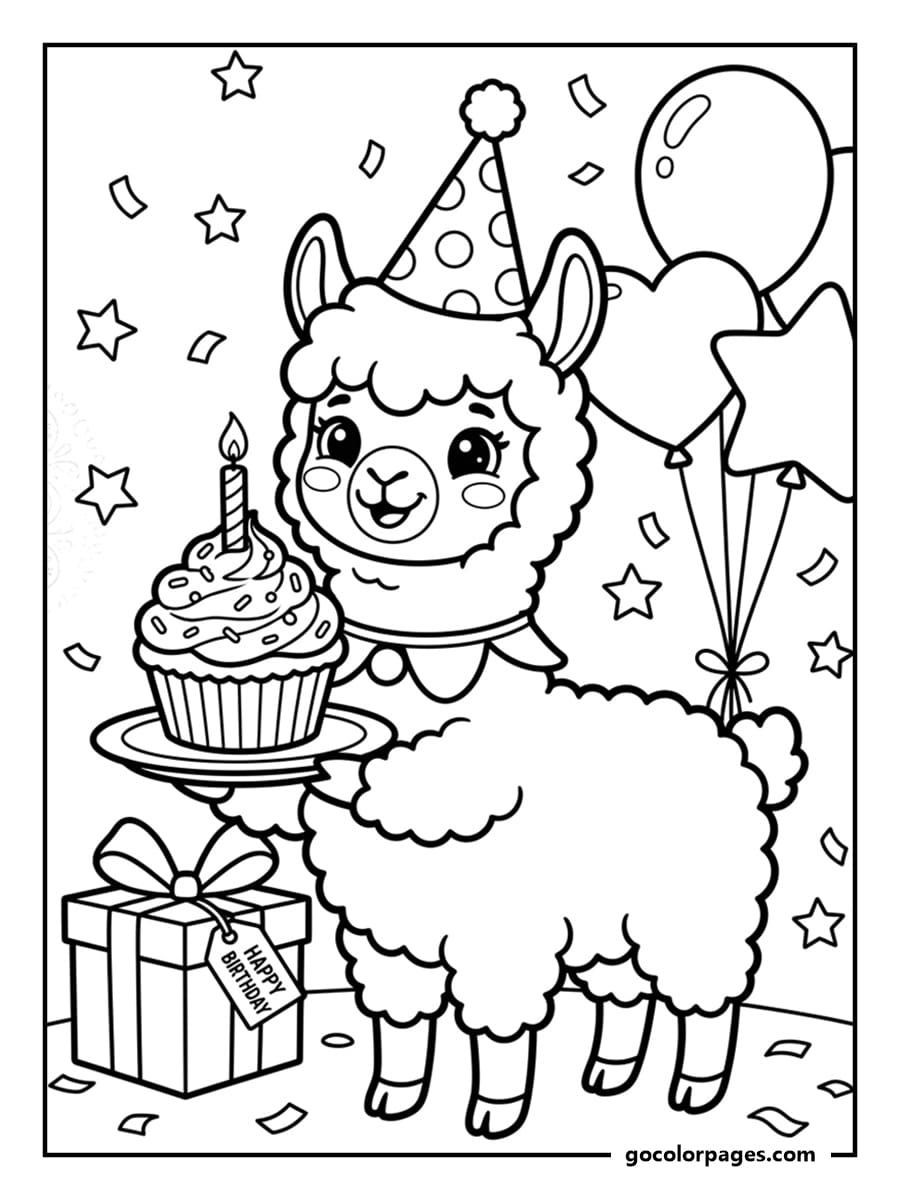
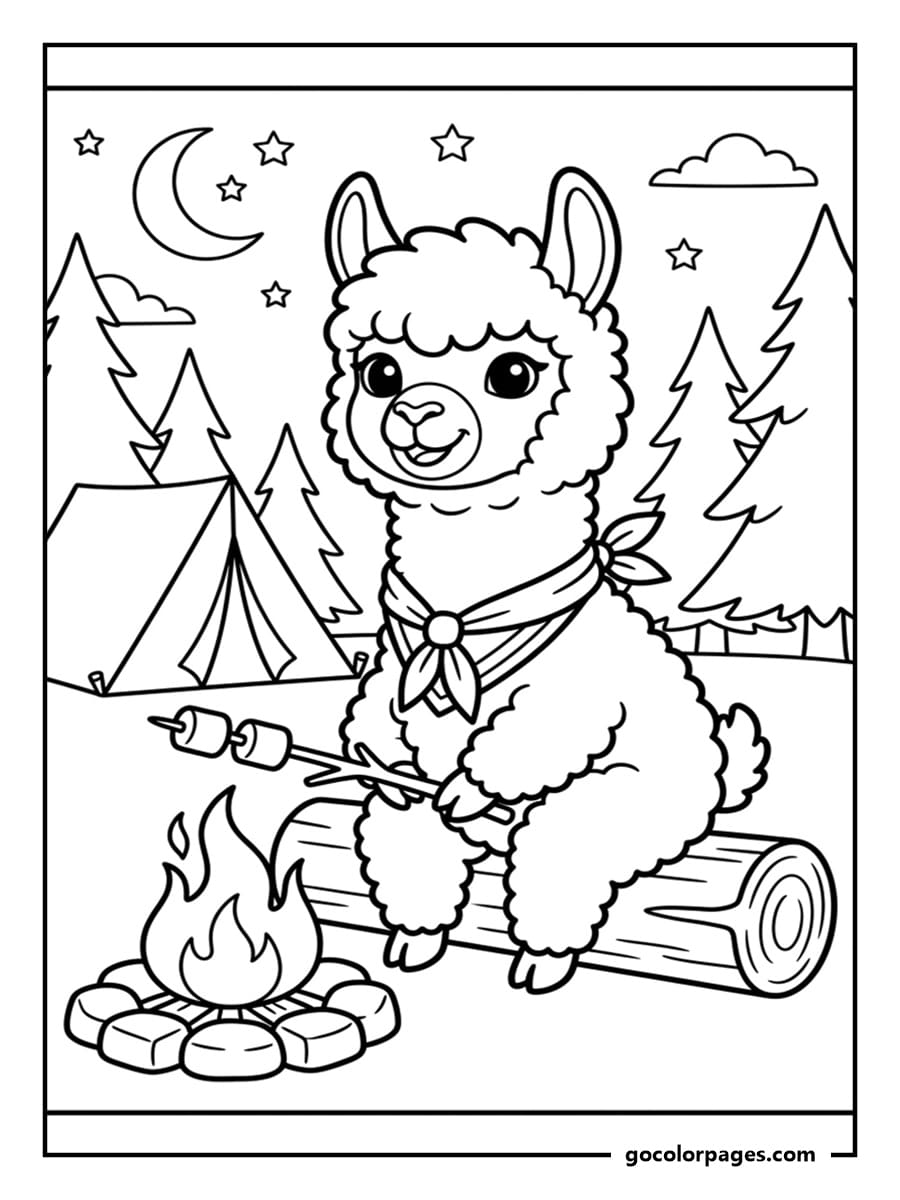
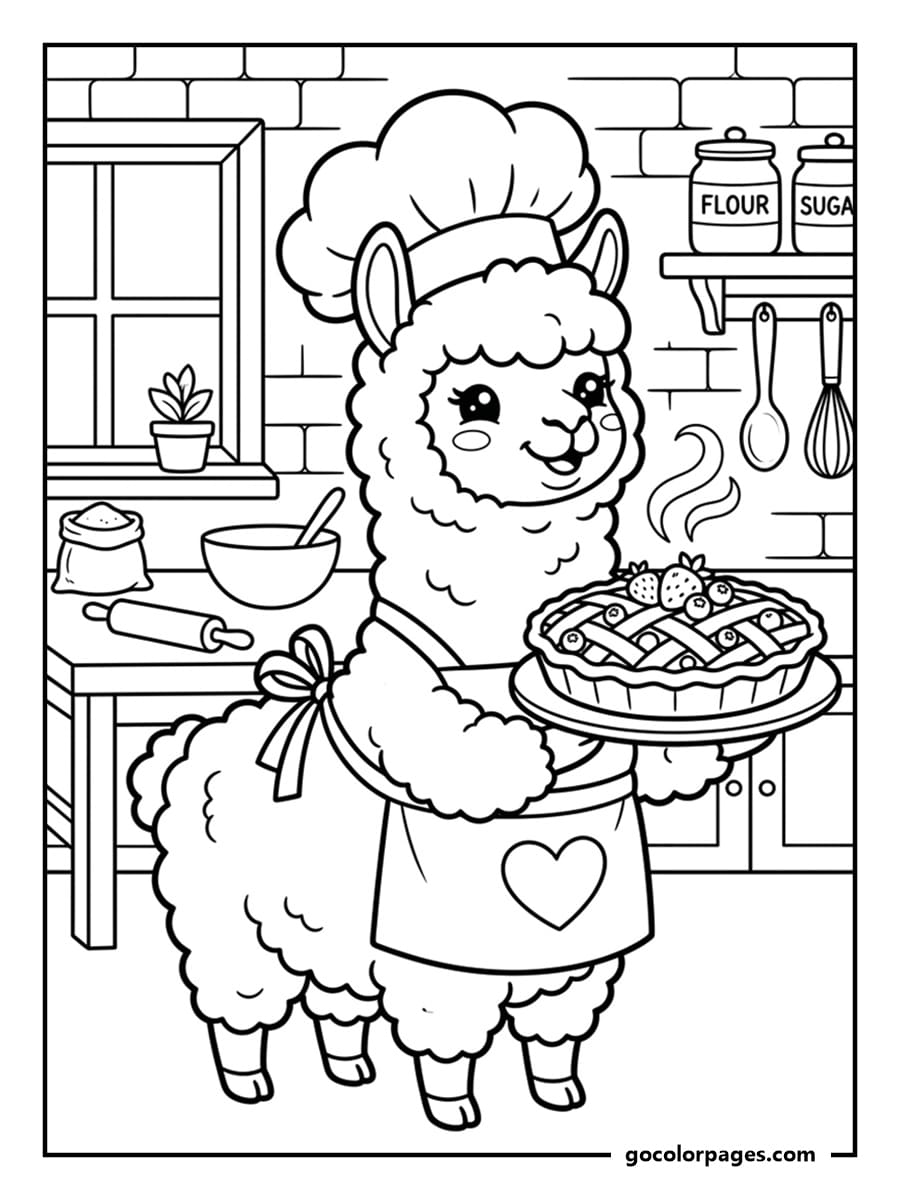
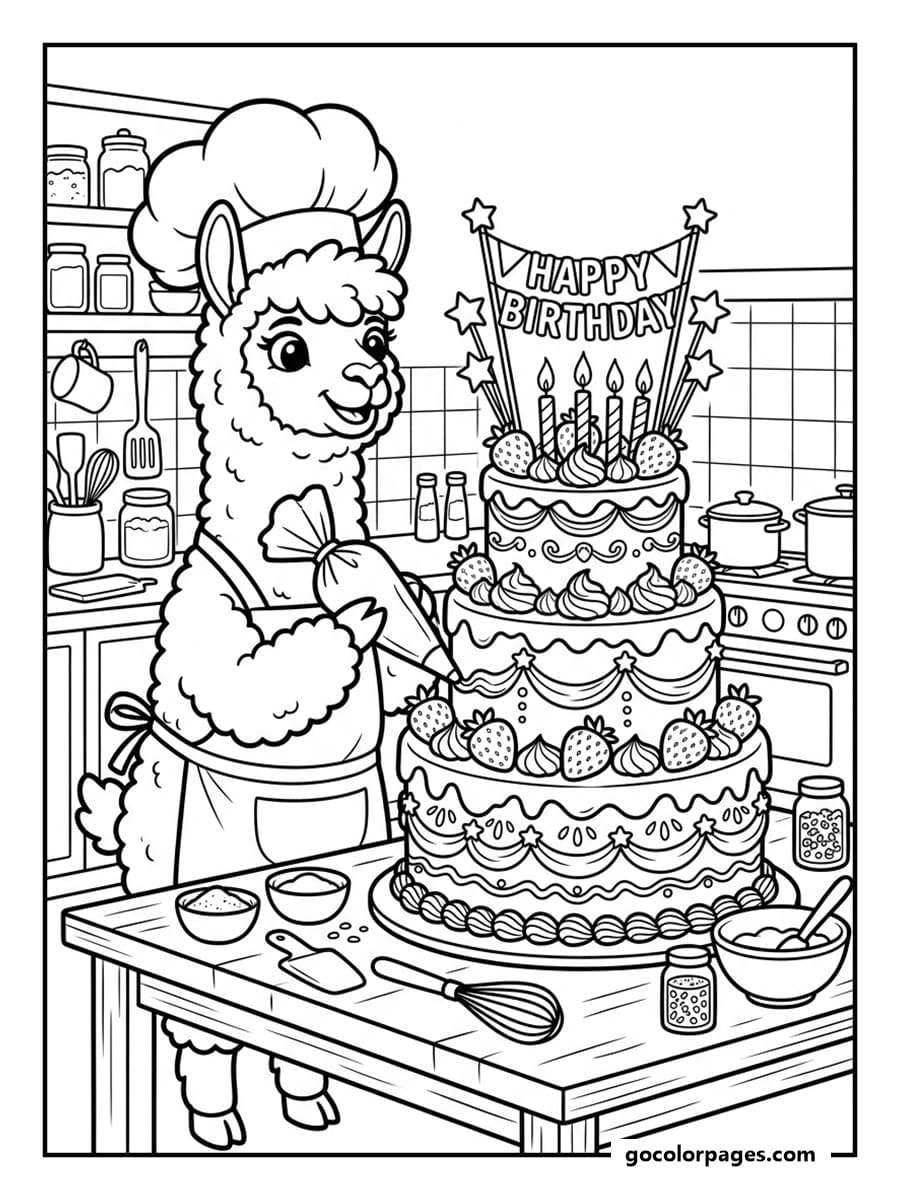
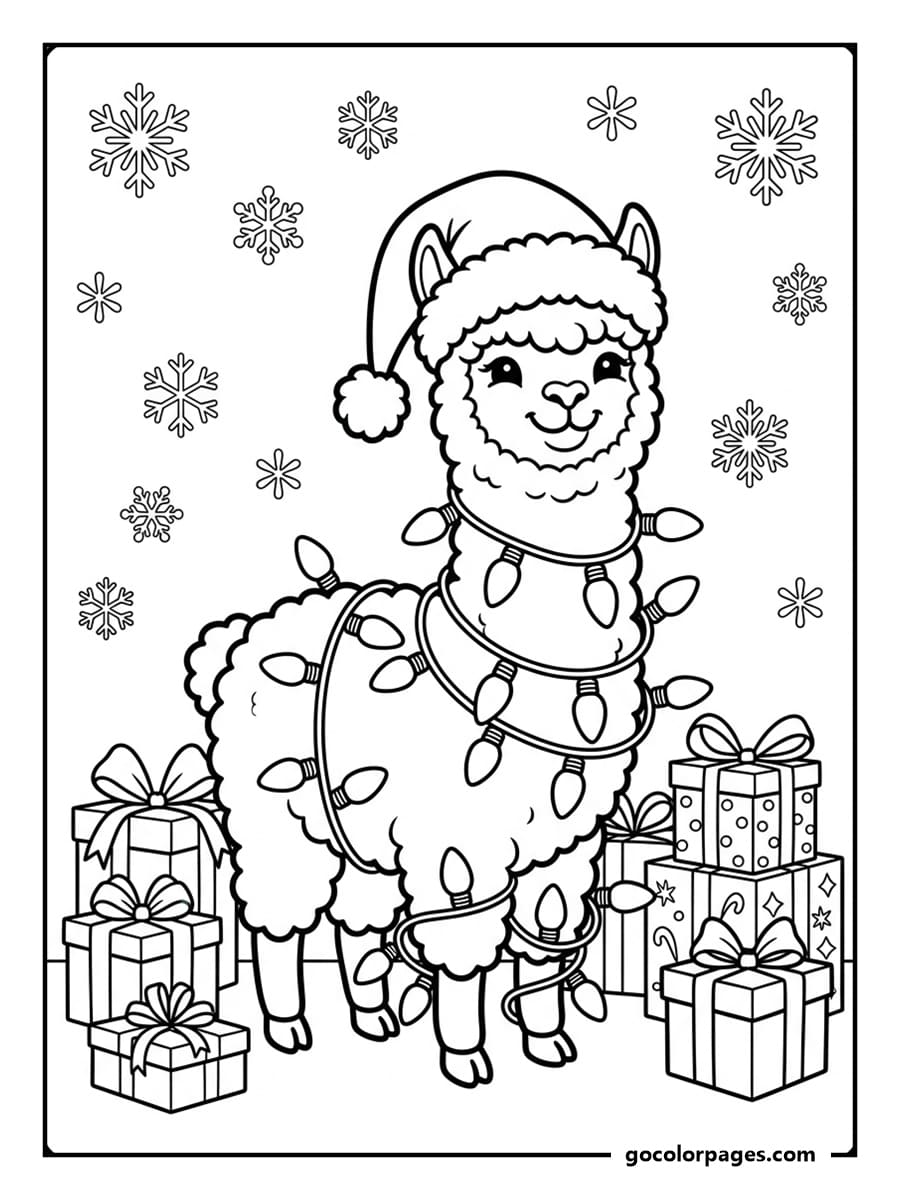
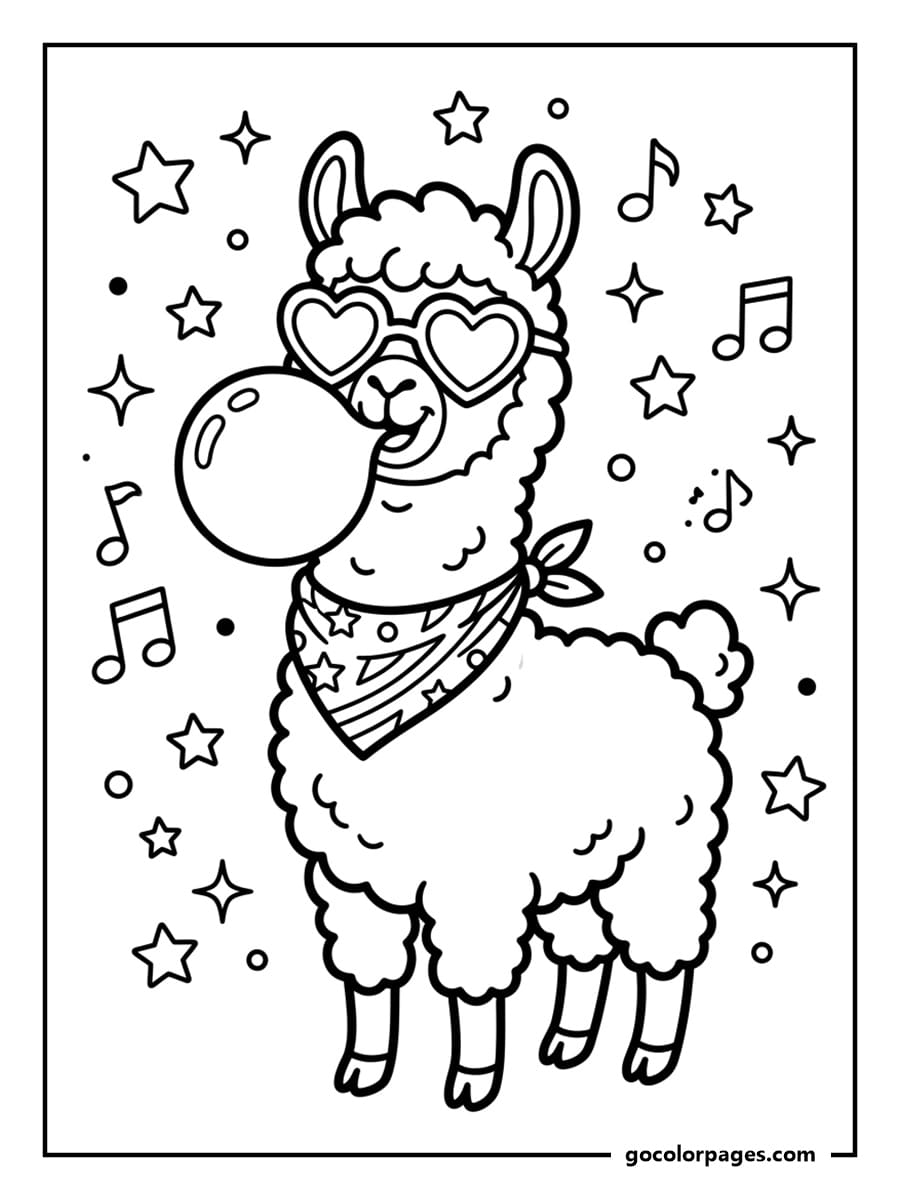
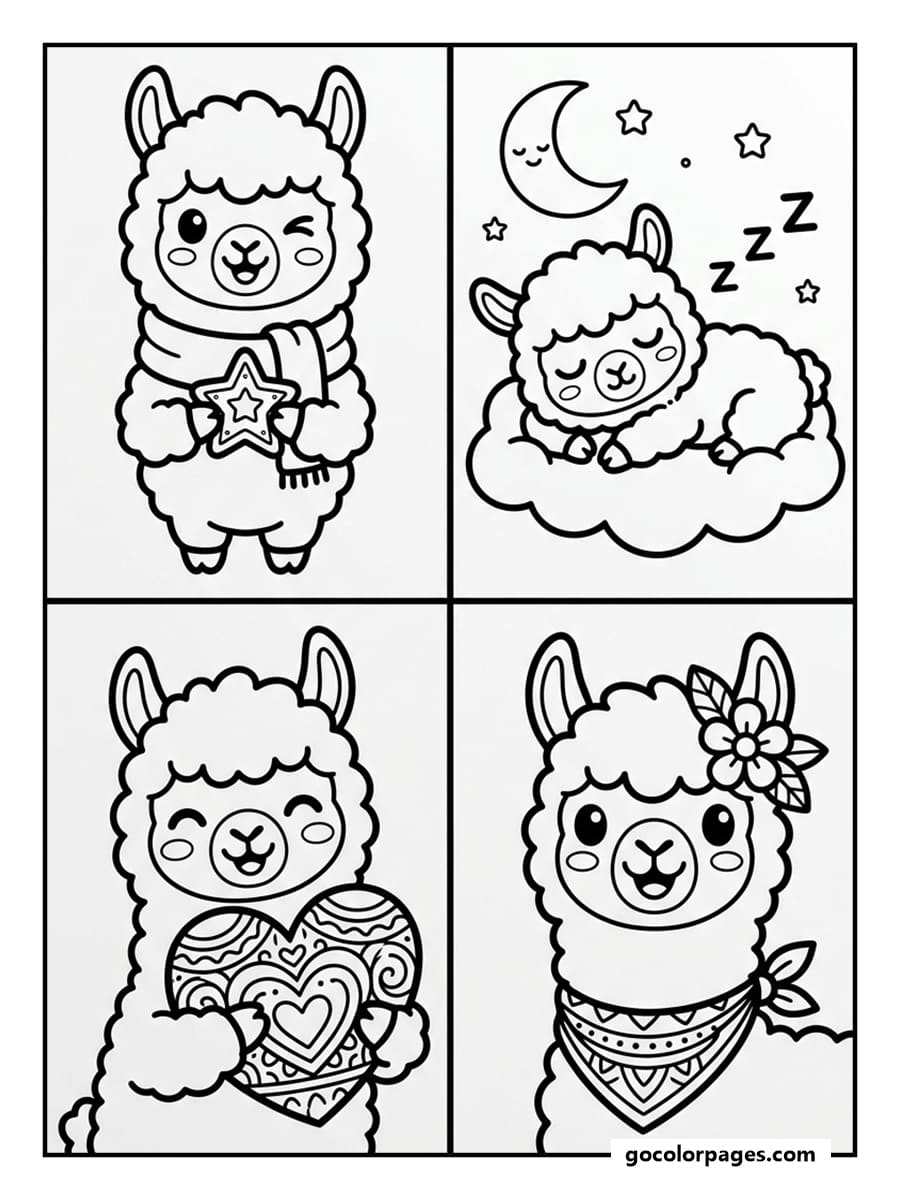
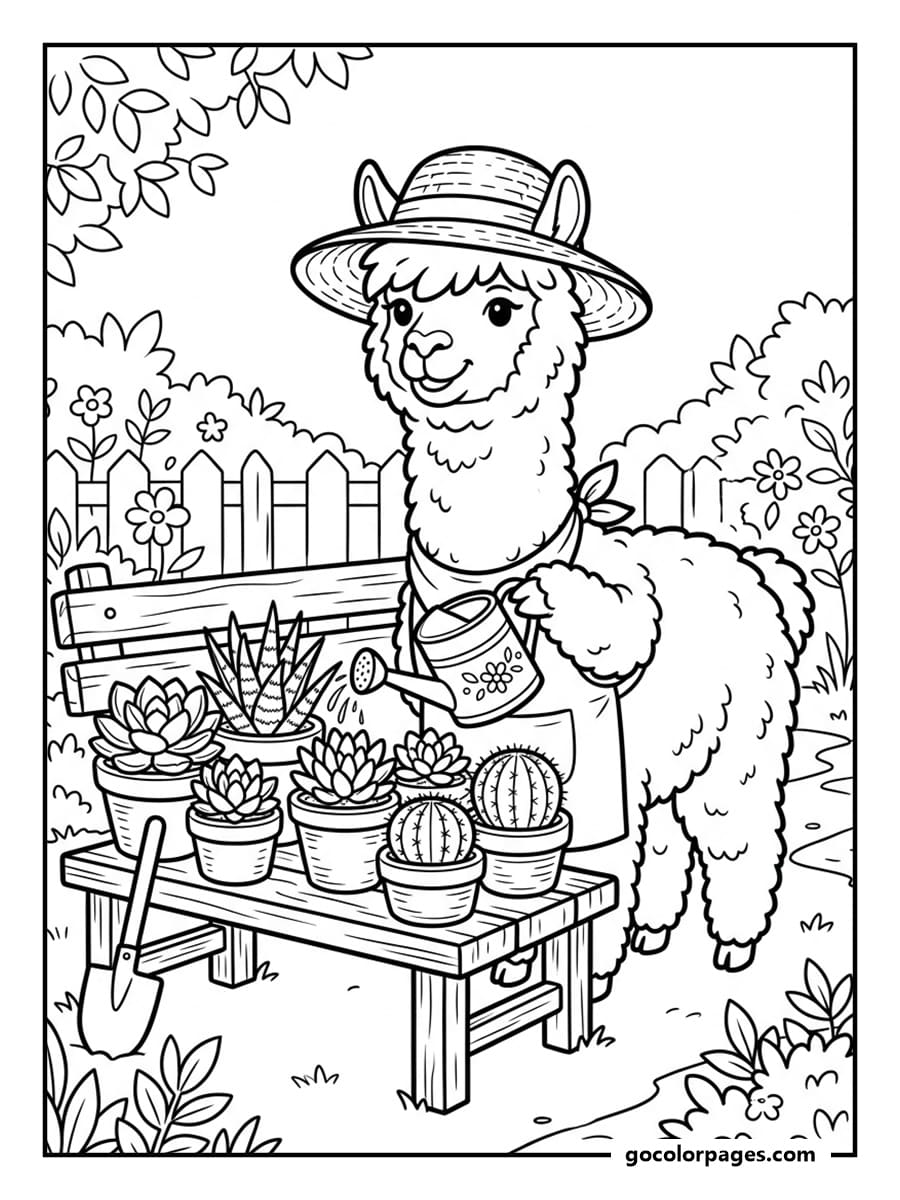
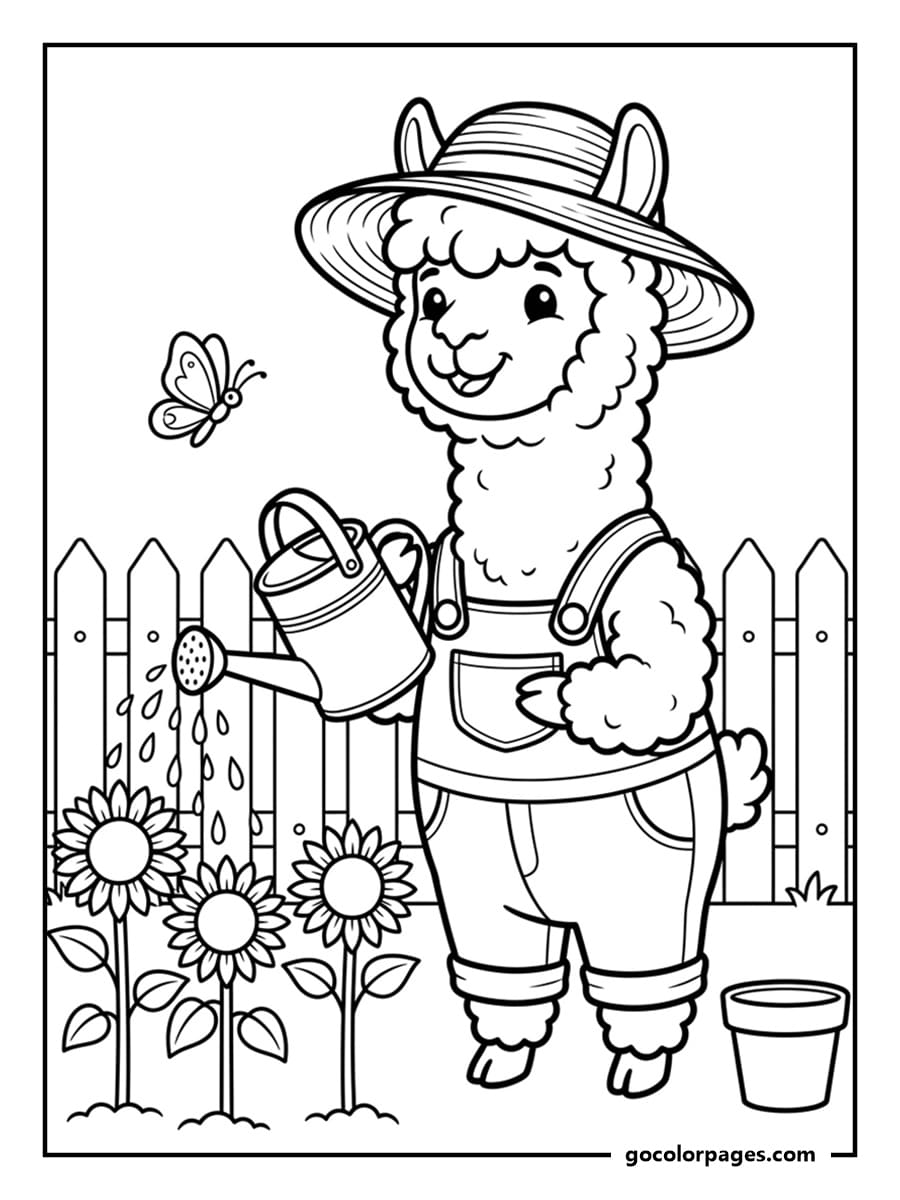
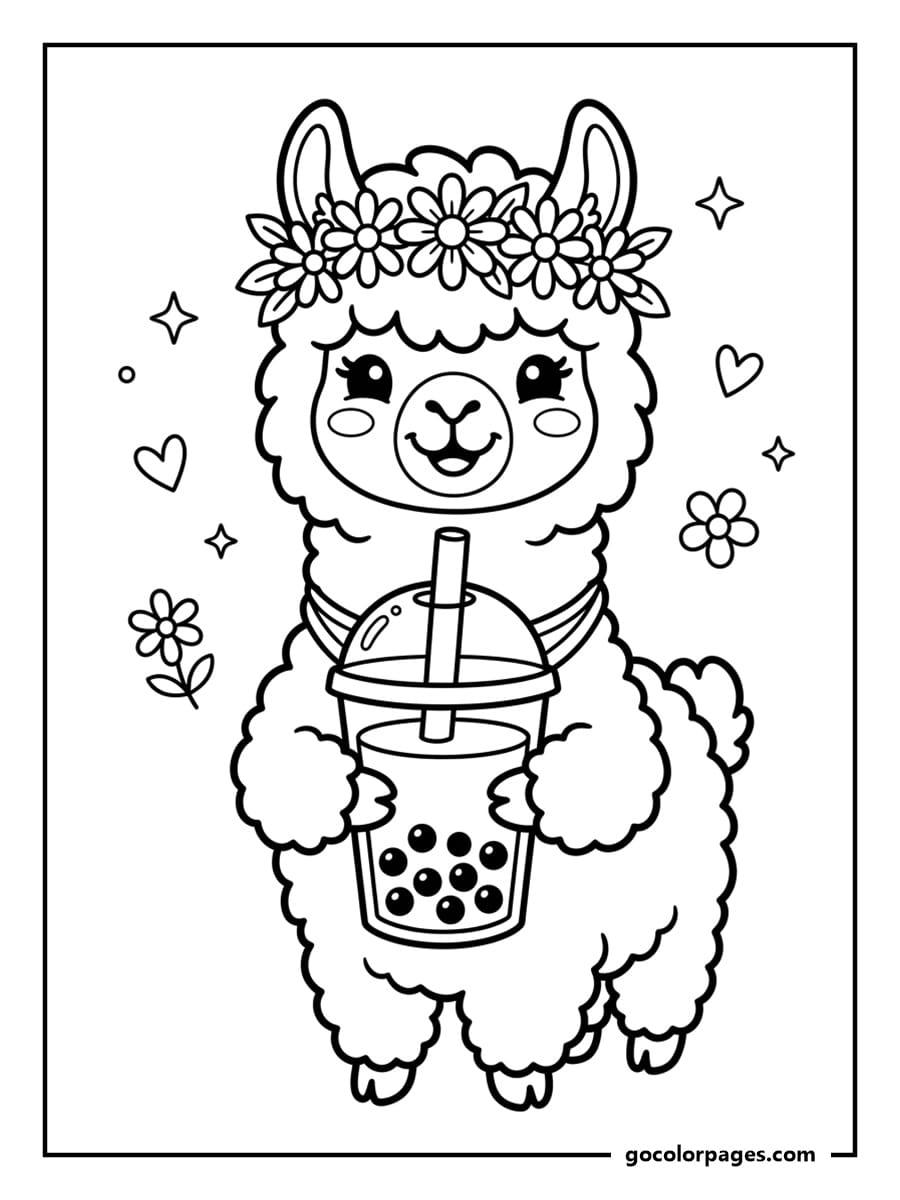
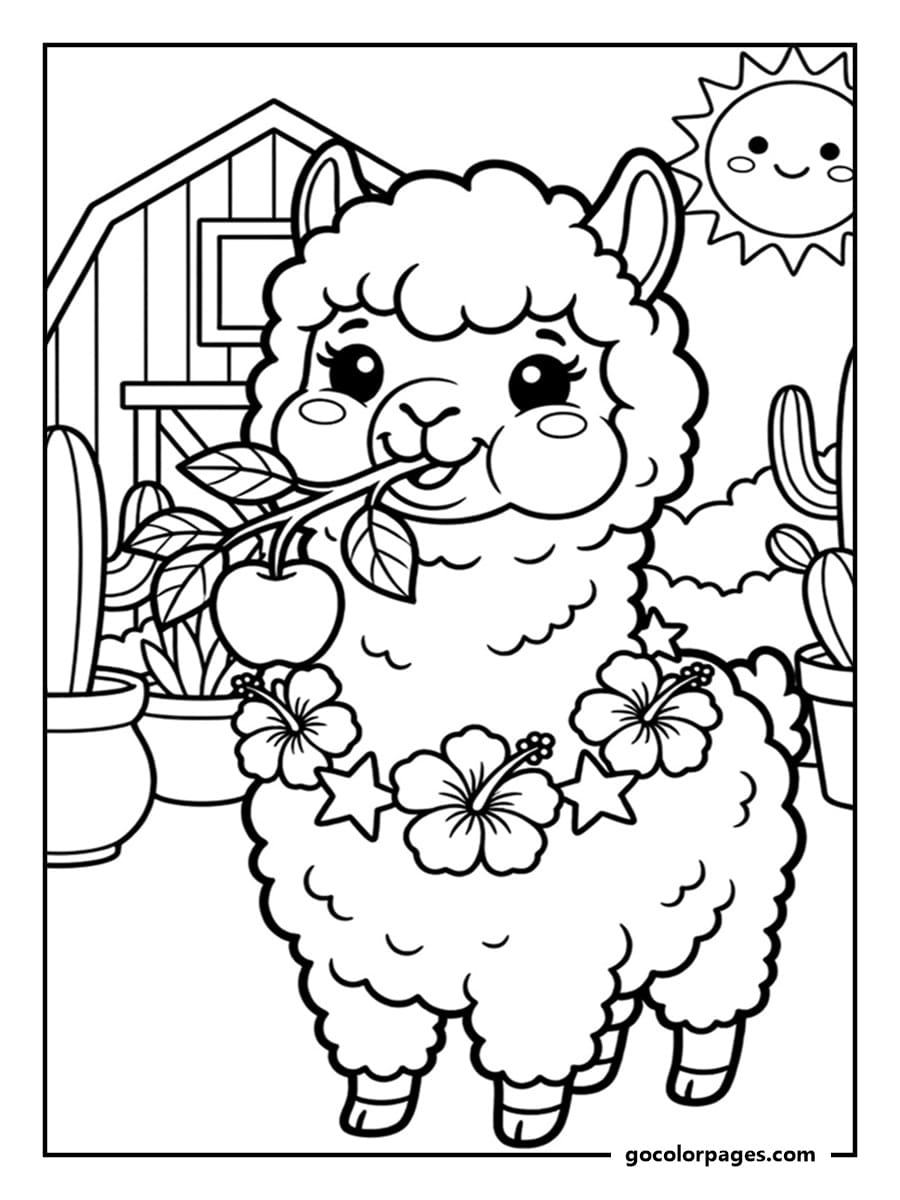
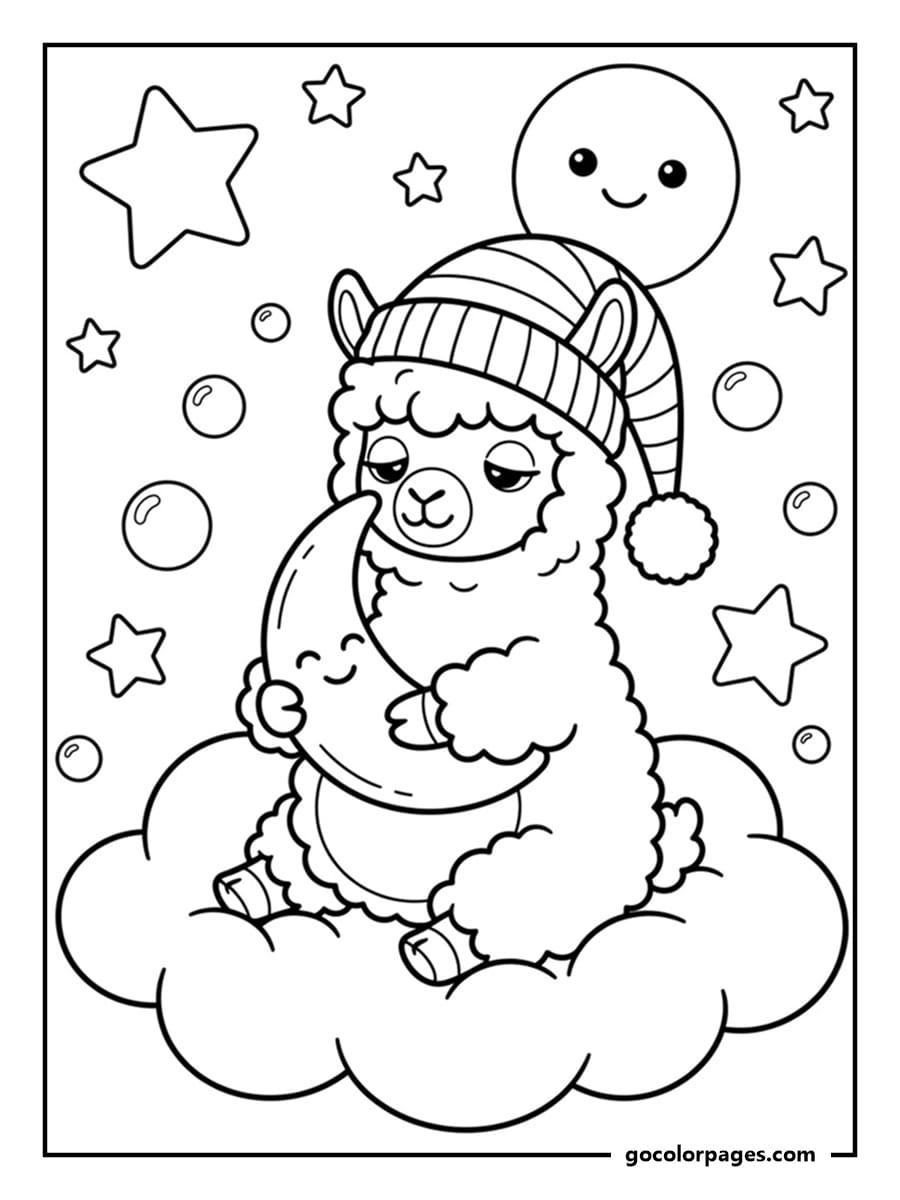
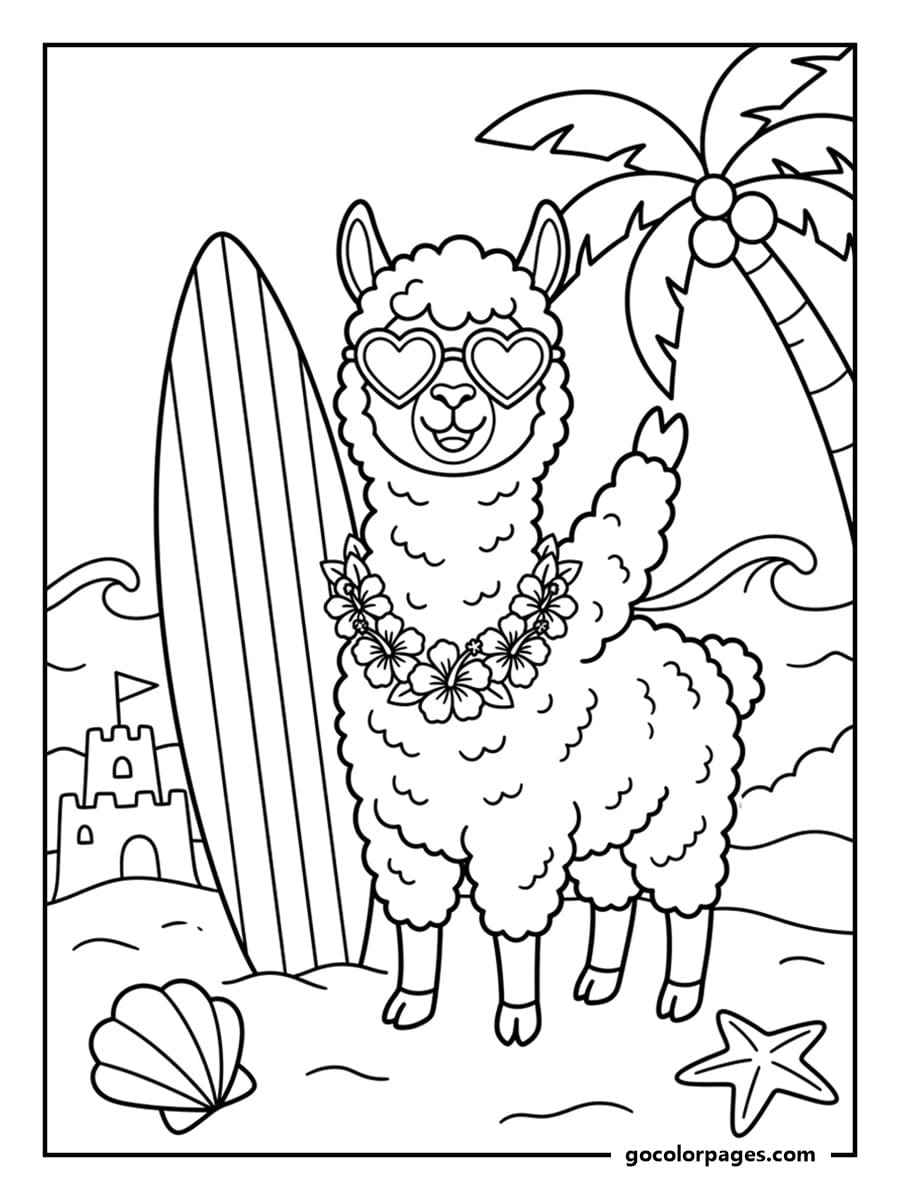
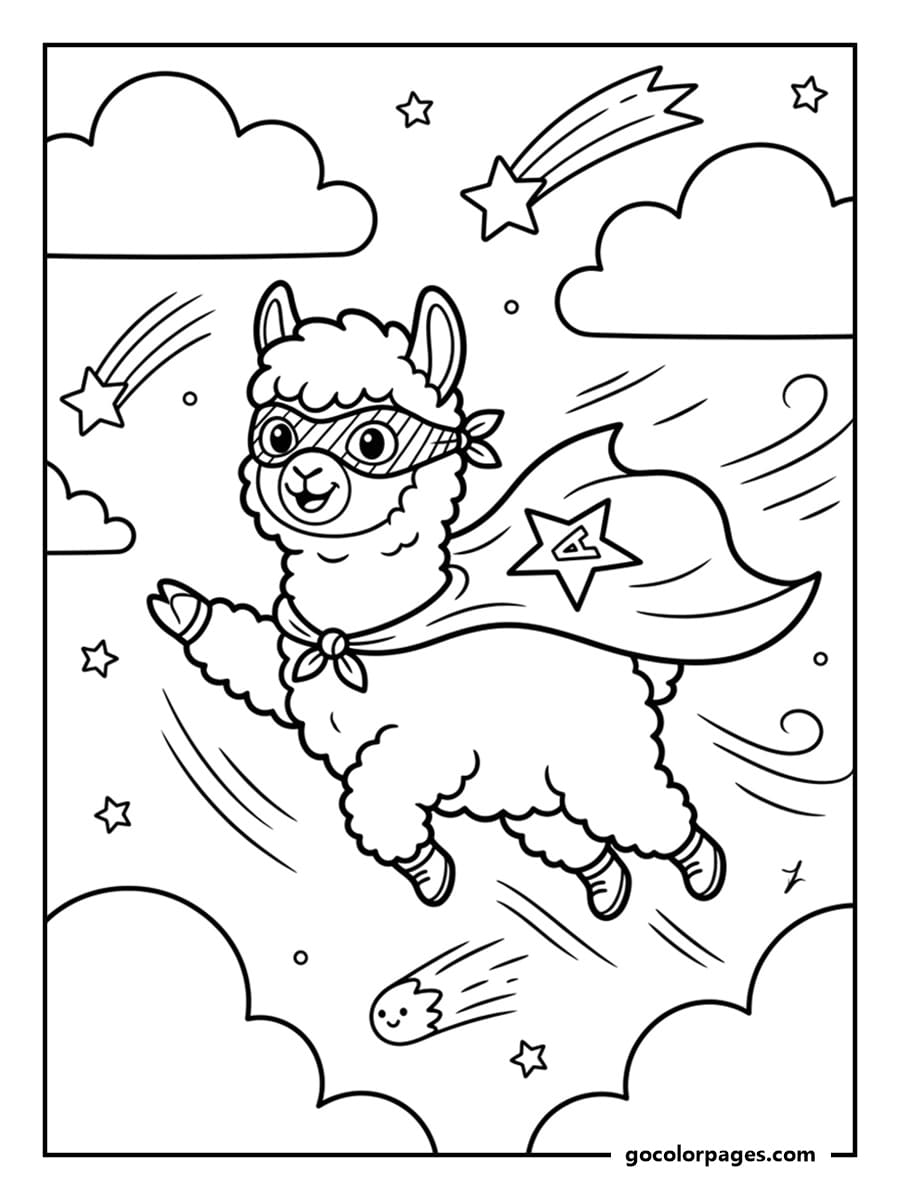
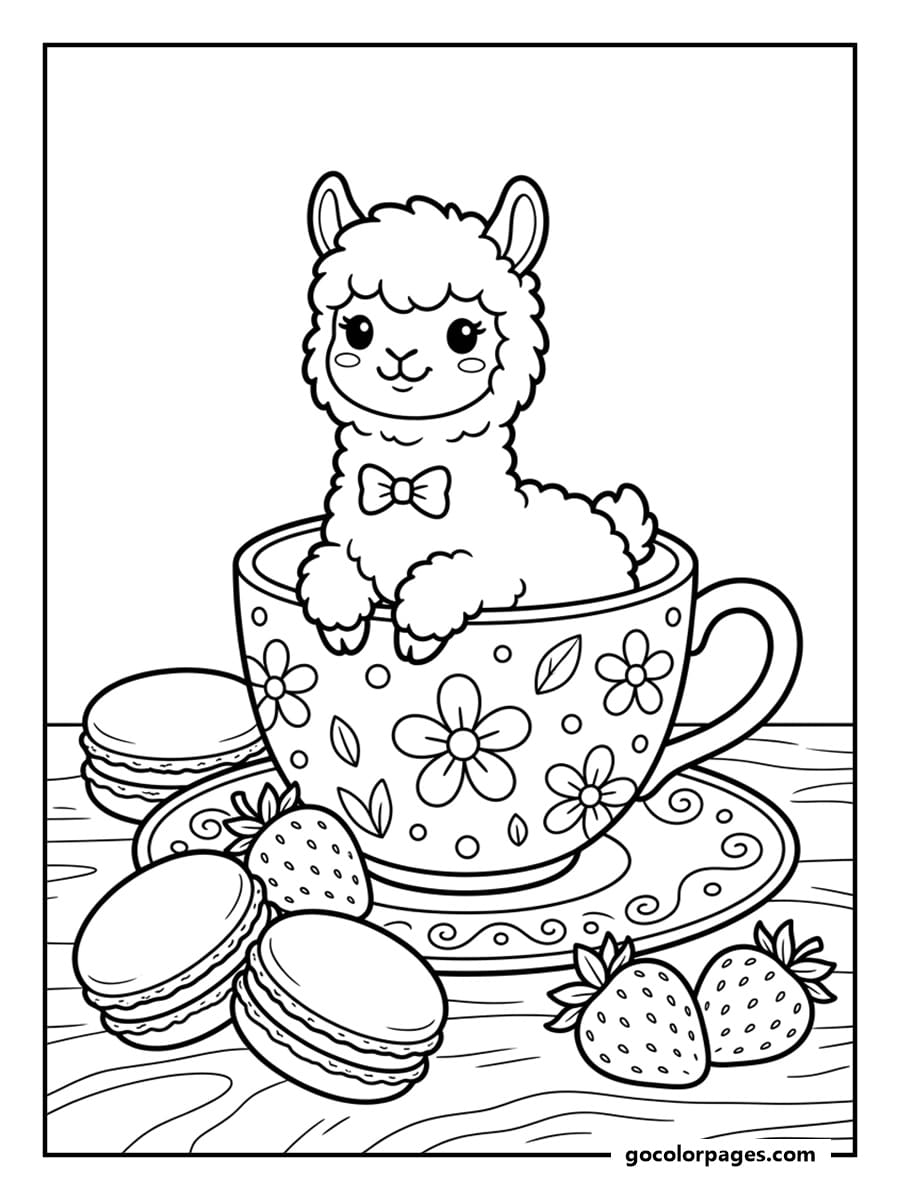
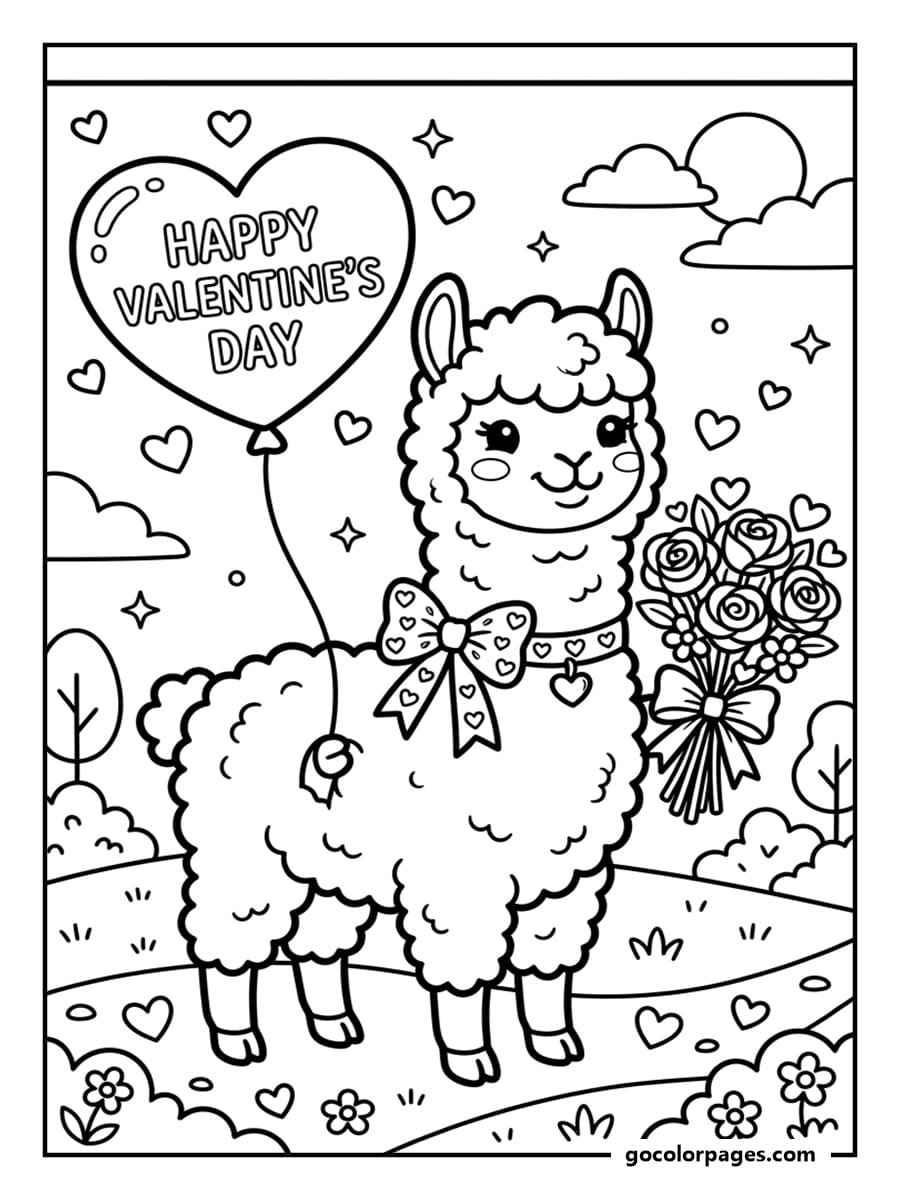
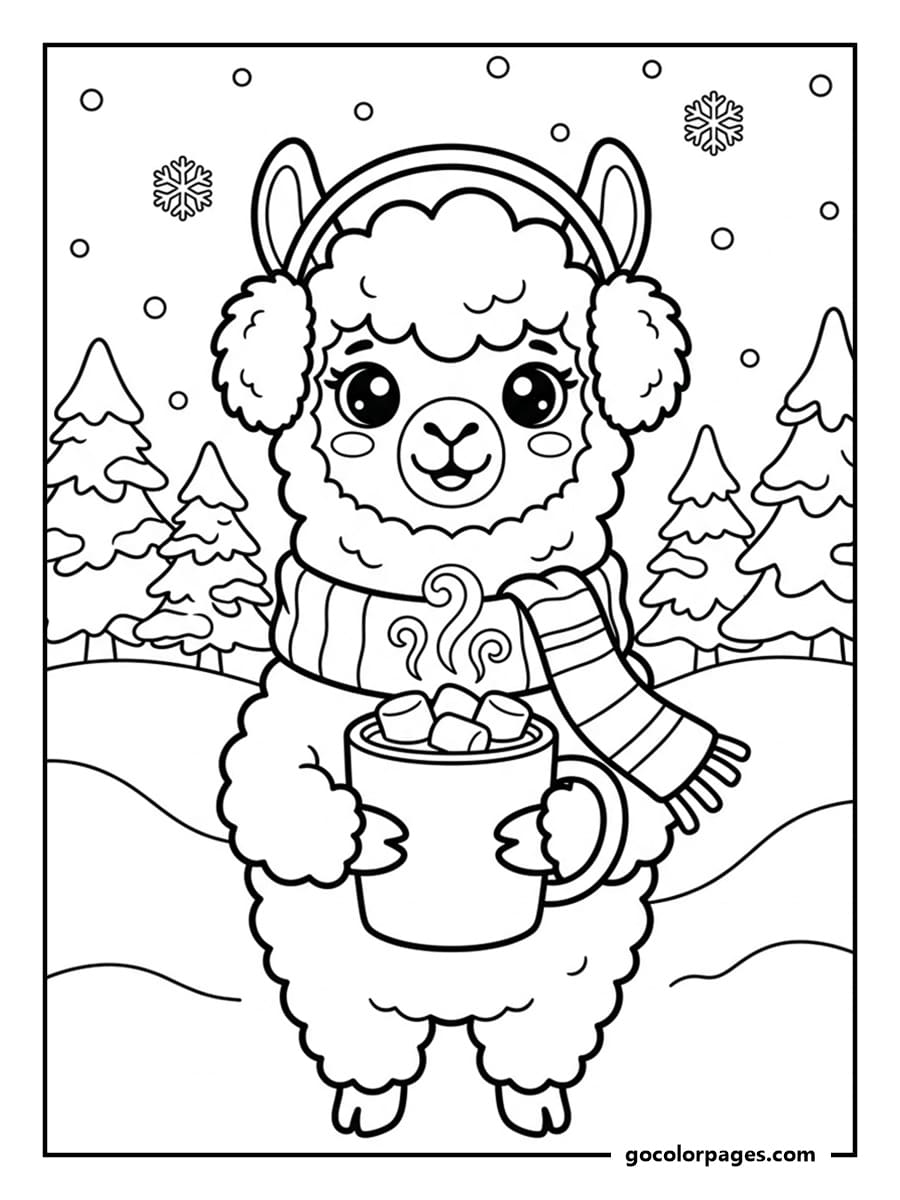
- Cute Kawaii and Cozy Hygge Alpacas: Built with thick three-point contours, these sheets show chubby alpacas wearing flower crowns, heart sunglasses, birthday hats, and knitted winter scarves while sipping boba tea among potted succulents a favorite inside our cute and easy coloring pages collection for streak-free alcohol marker blending.
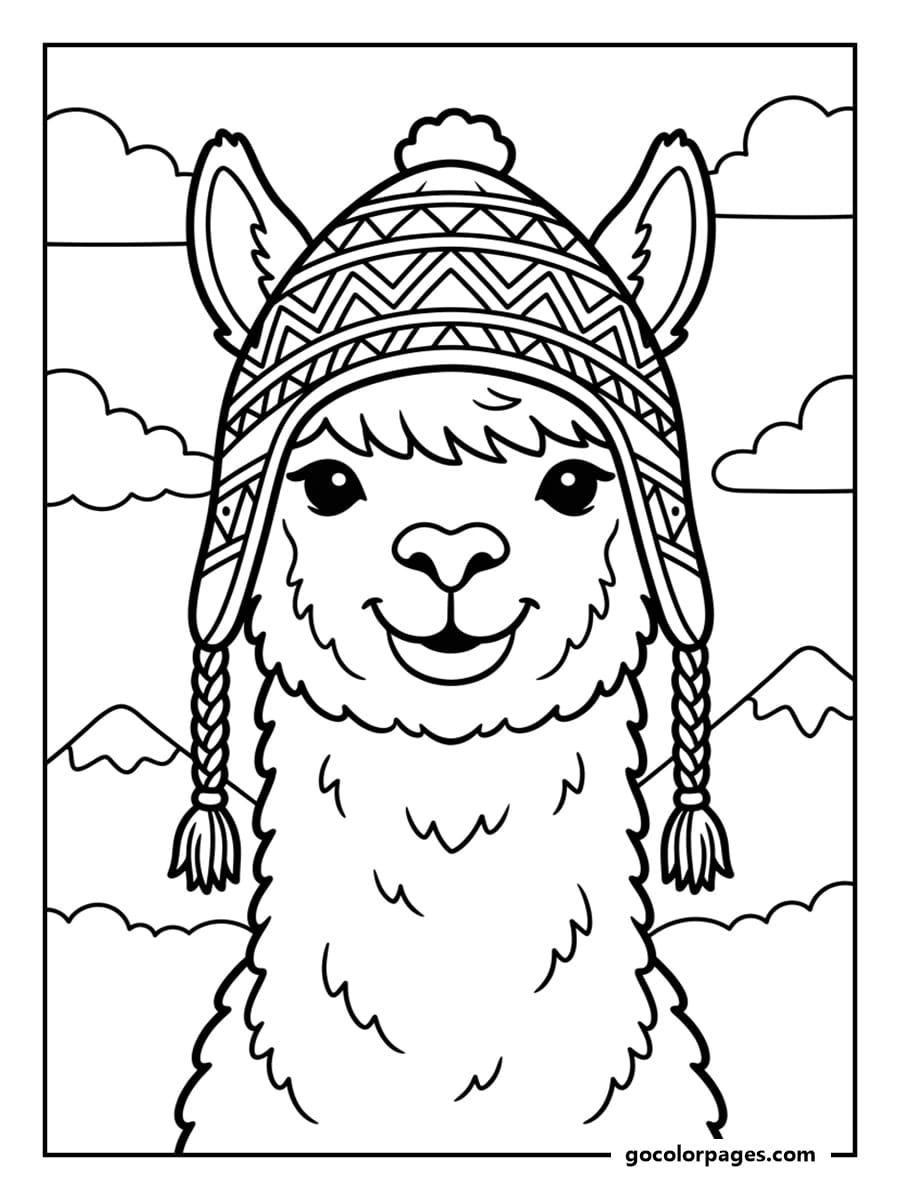
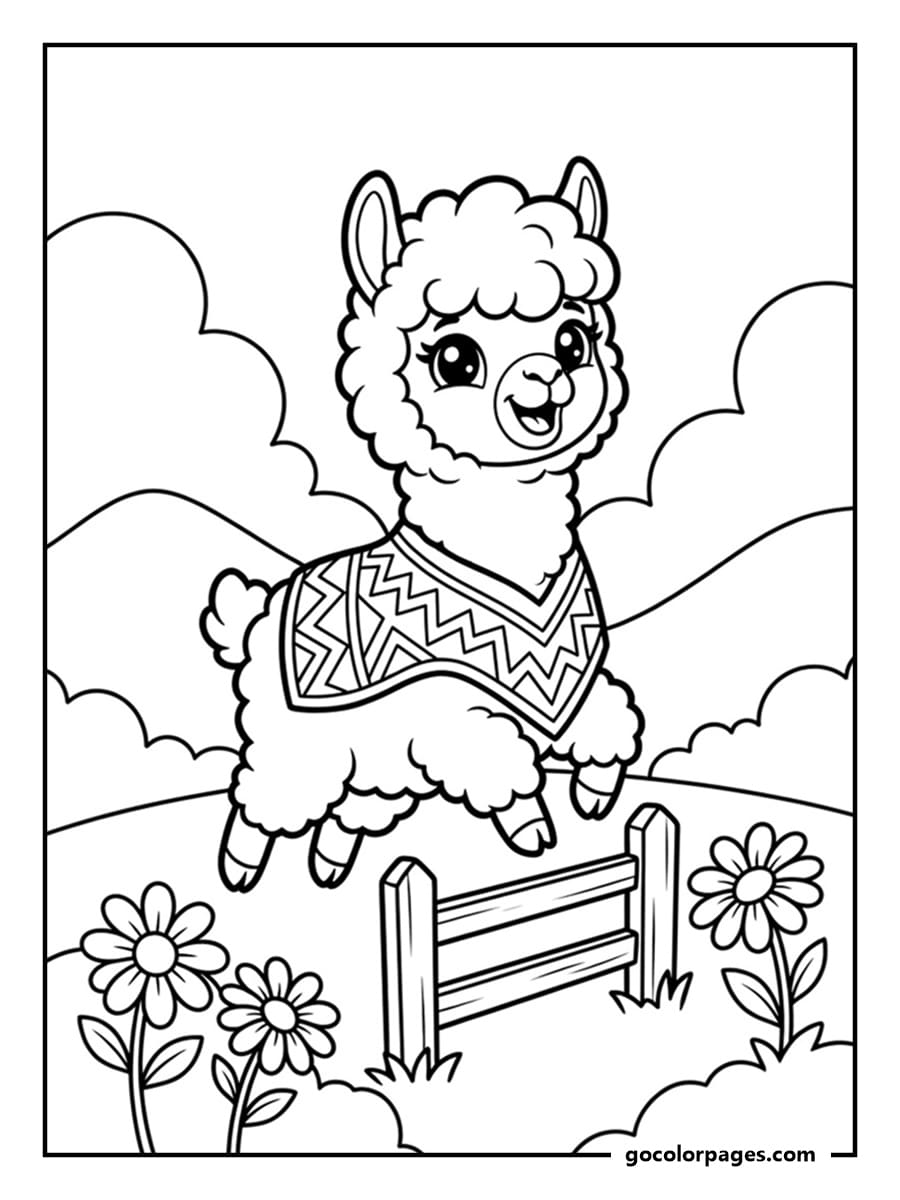
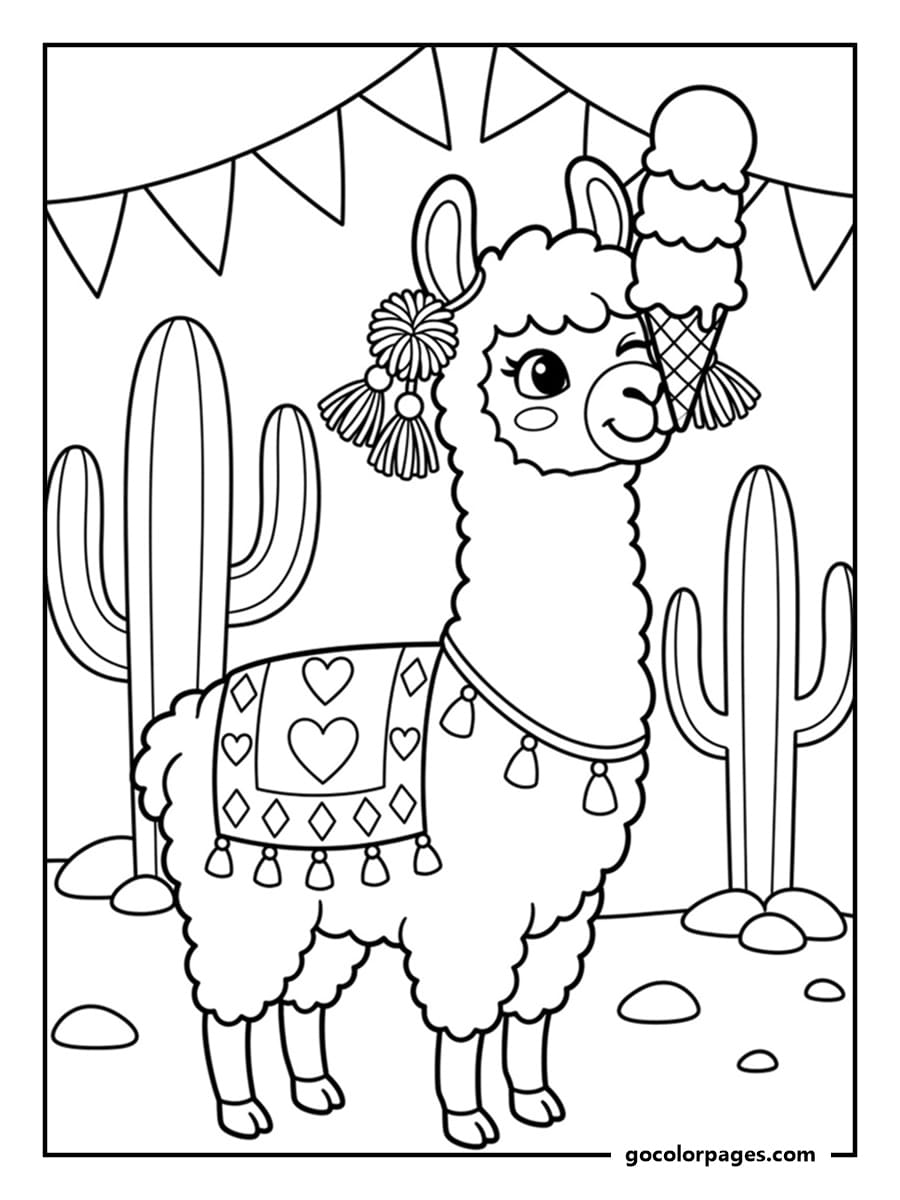
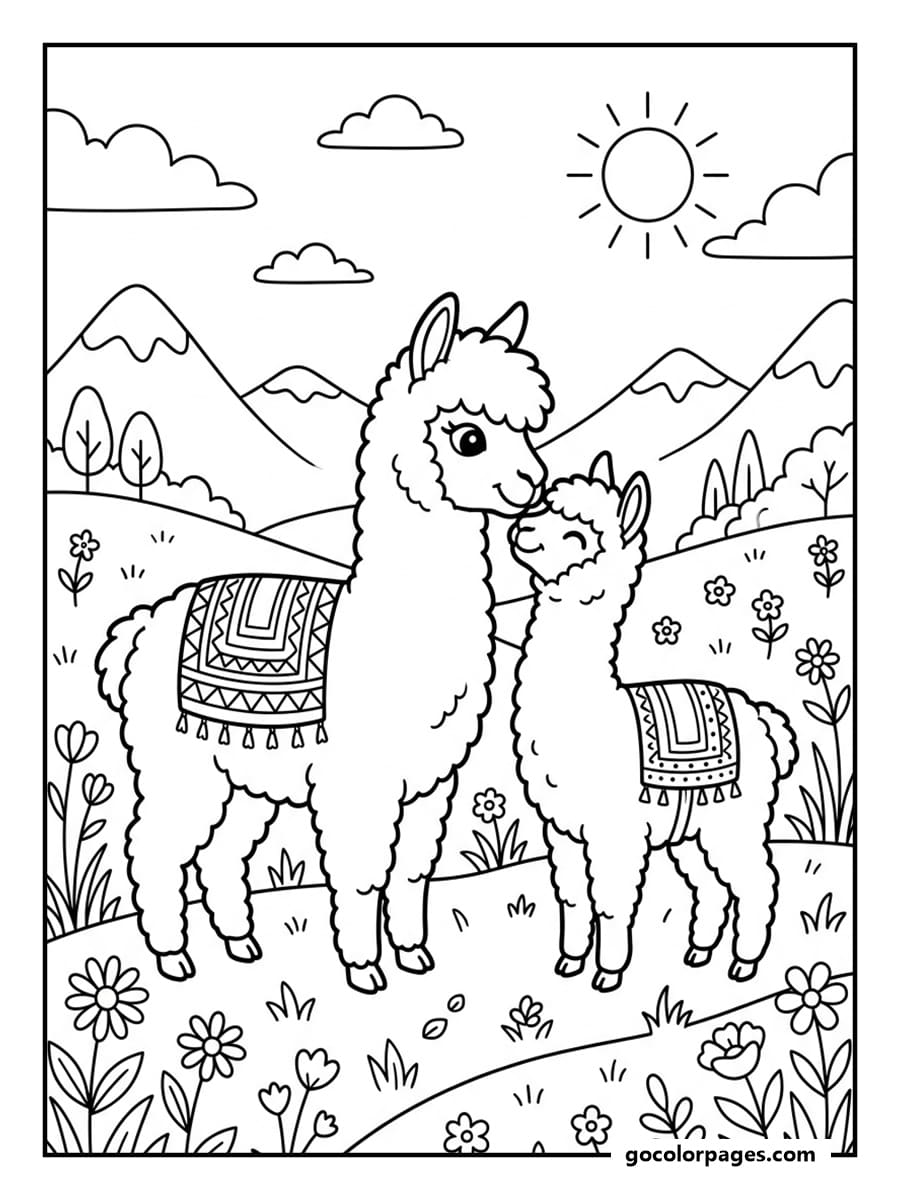
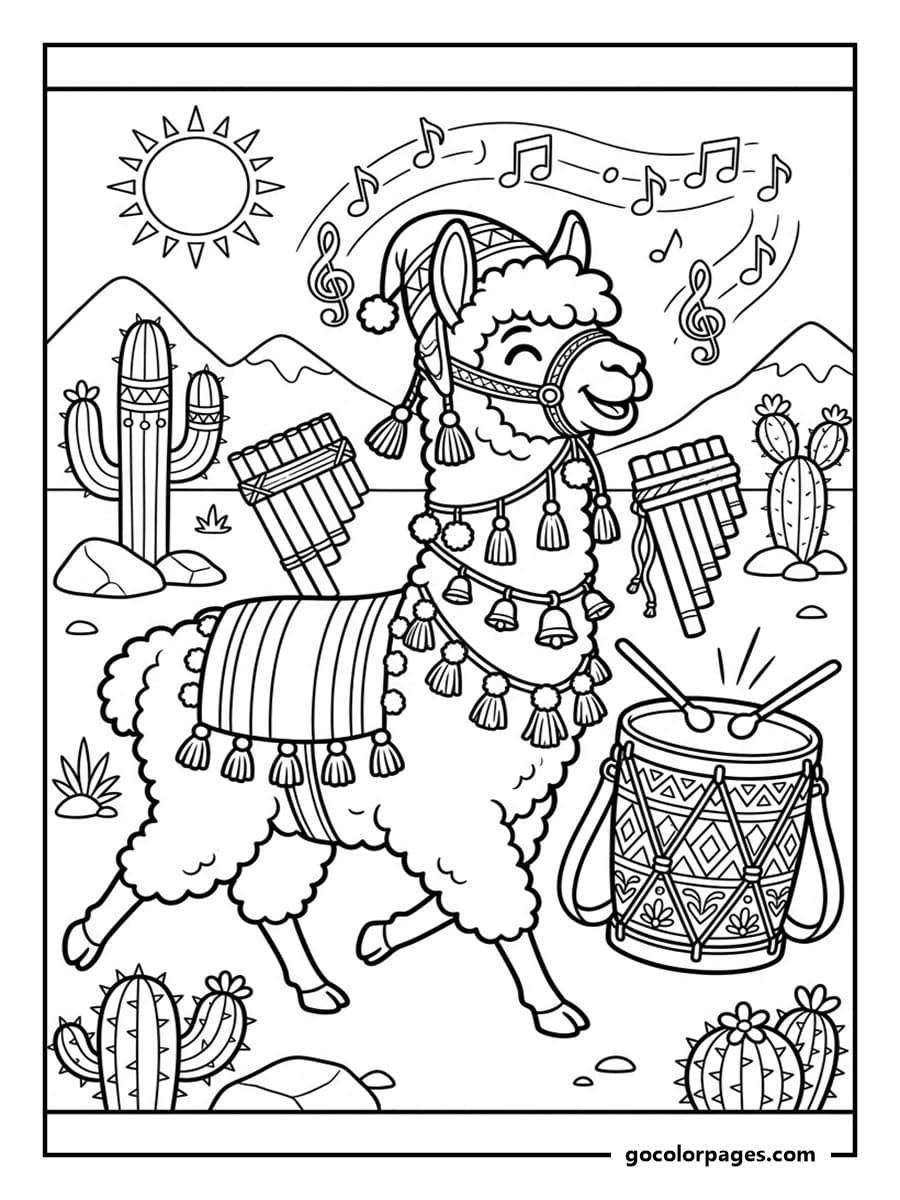
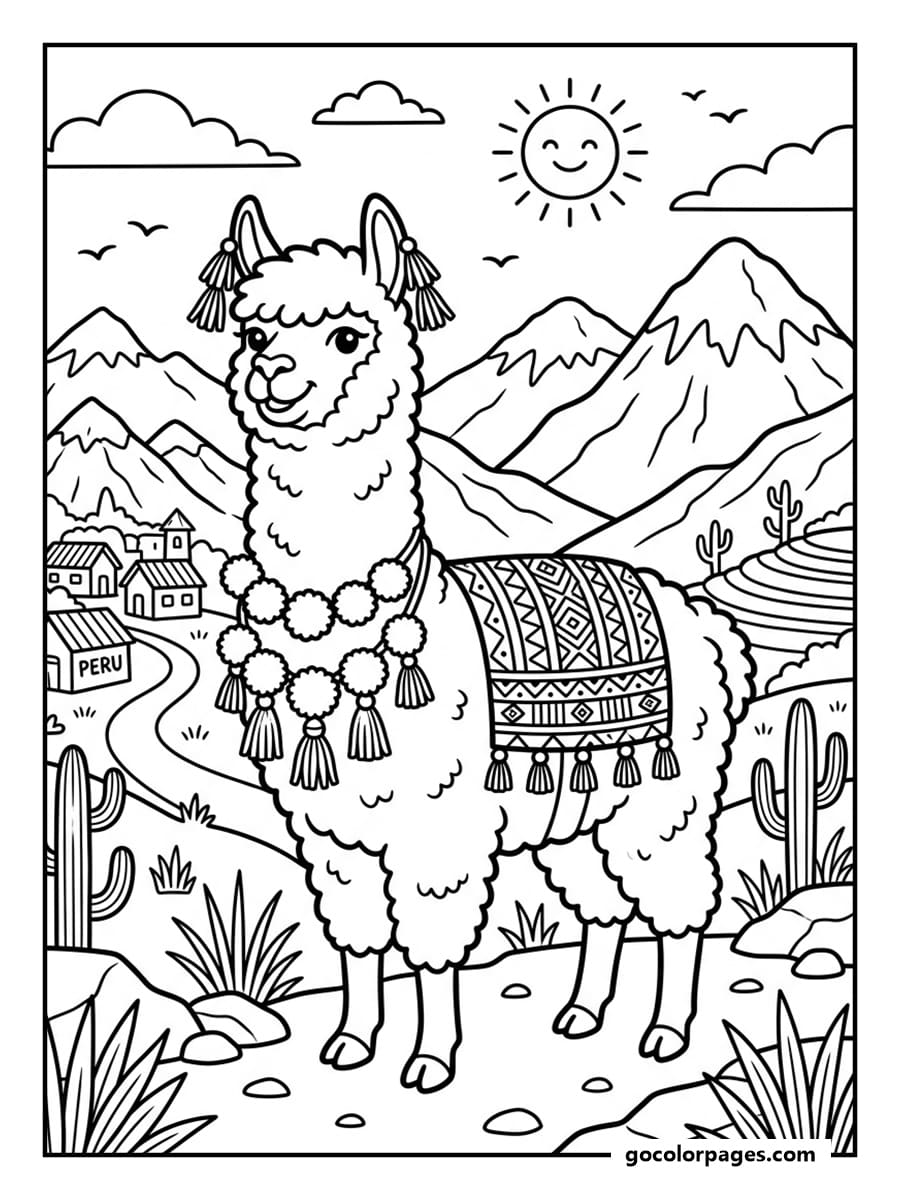
- Festive Peruvian Fiesta Alpaca Sheets: Joyful camelids dressed in striped Aguayo saddle blankets, knitted Chullo ear-flap hats, and stacked neck pom-poms (t'ikas) that invite elementary kids to play with bold geometric patterns.
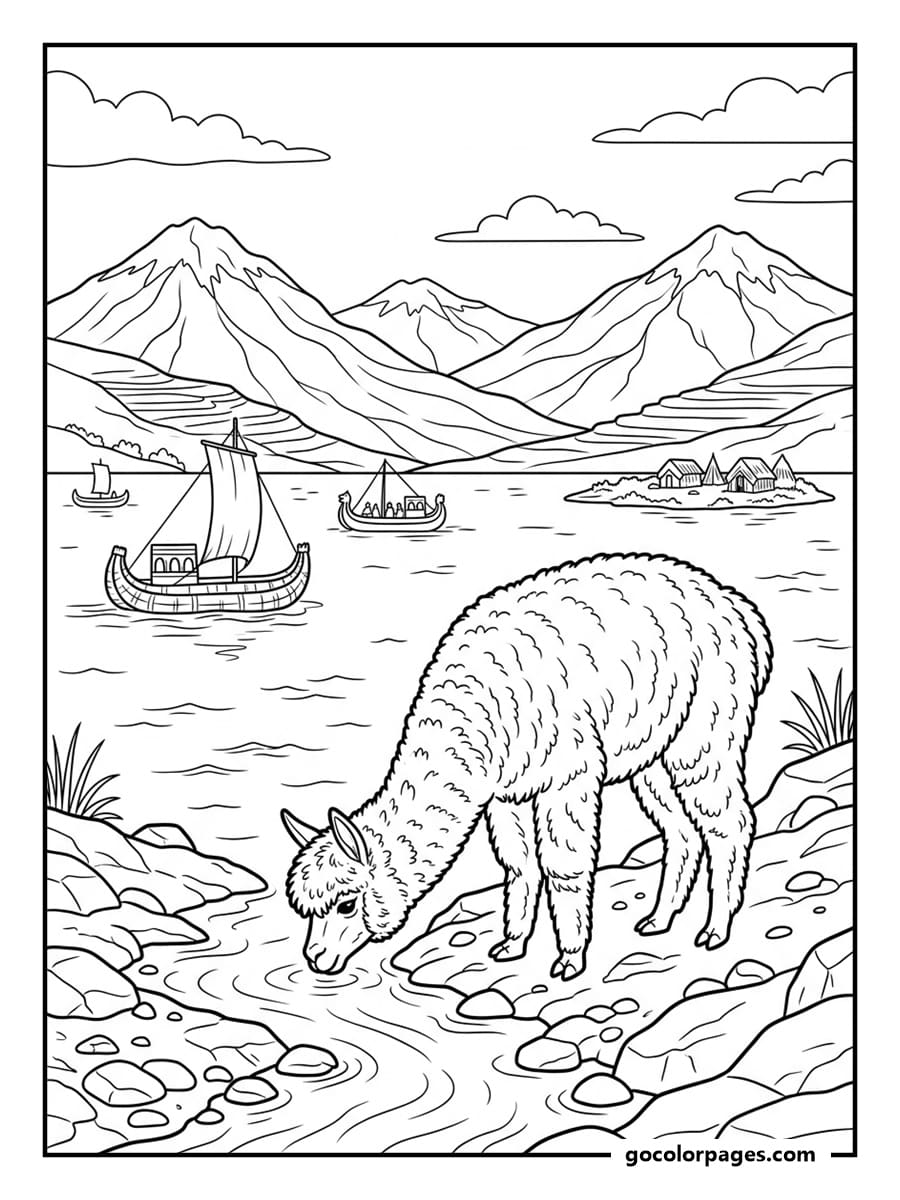
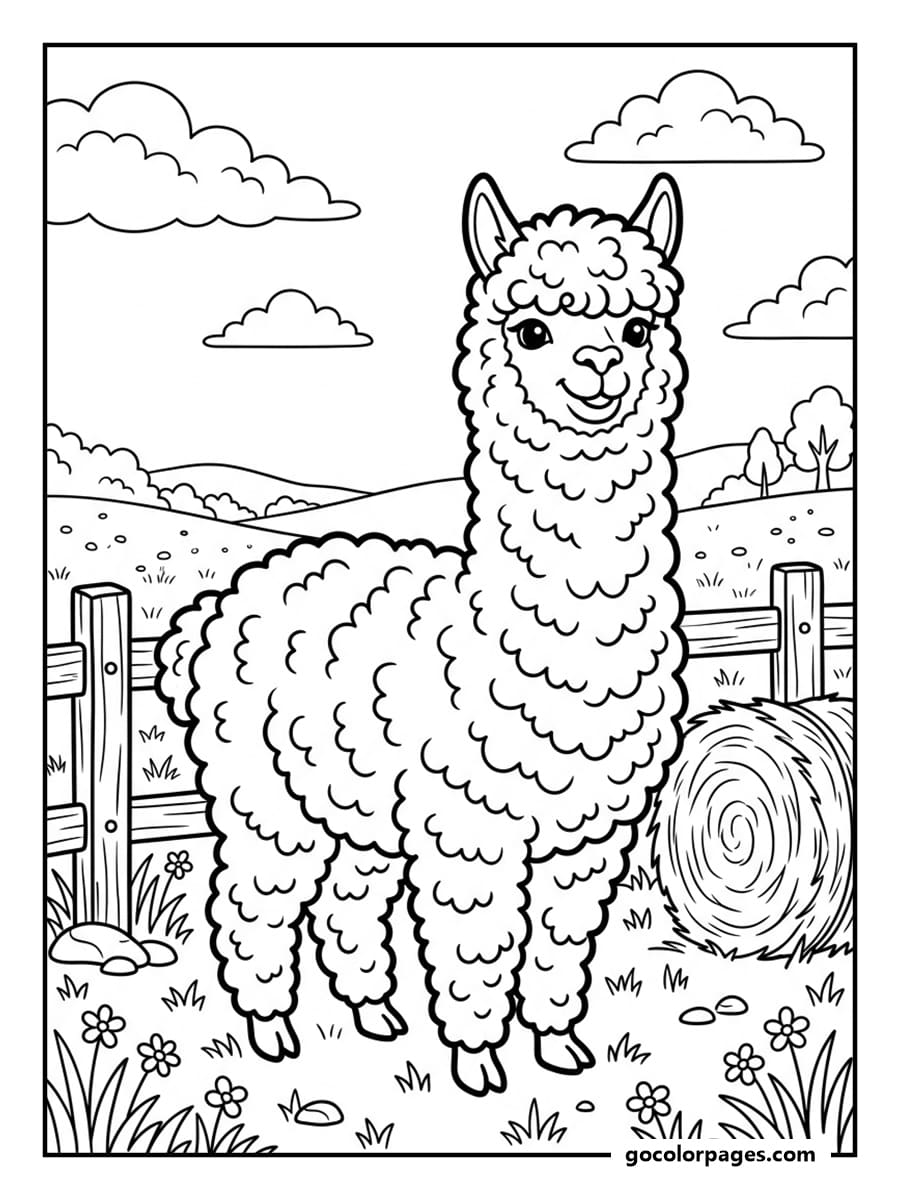
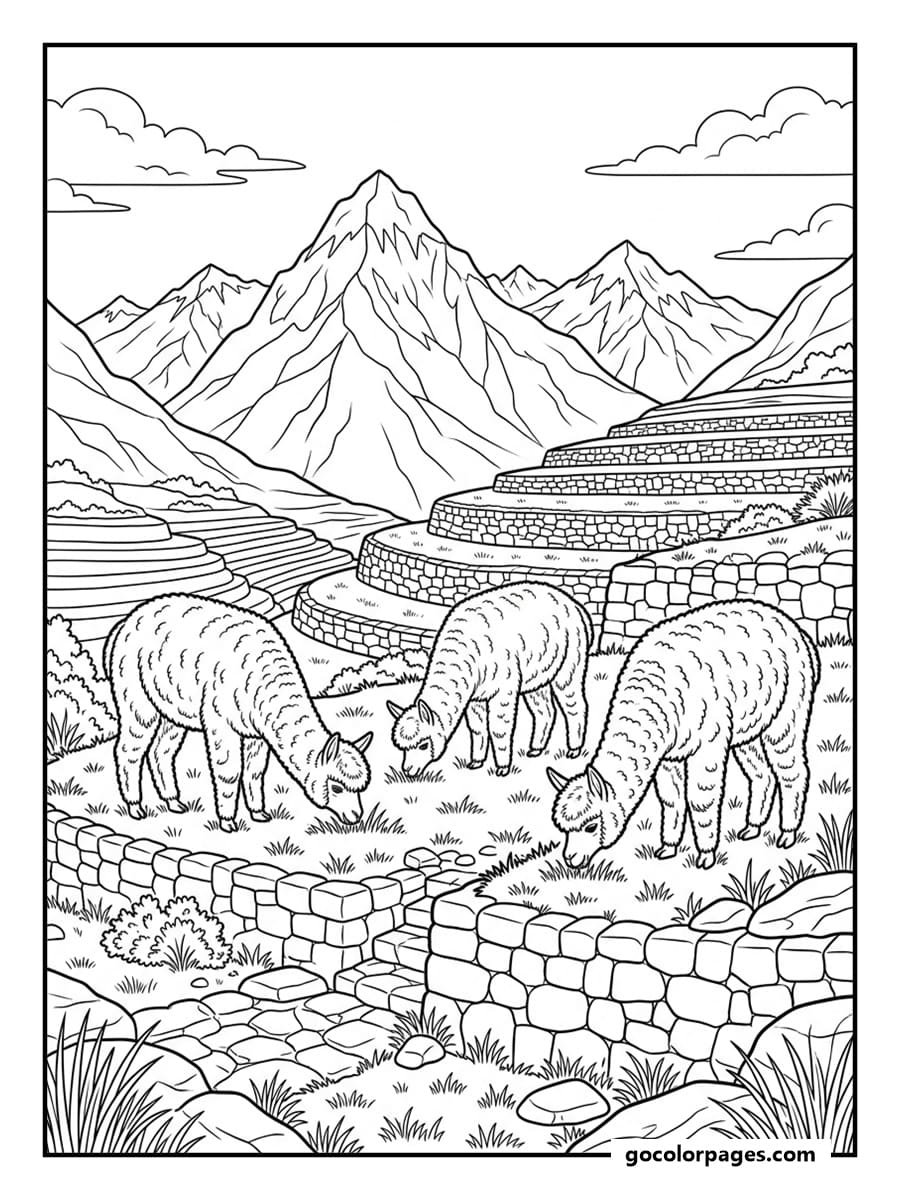
- Realistic Andean Altiplano and Pasture Scenes: Herd portraits grazing below snow-capped Peruvian peaks, terraced Incan stone walls, Lake Titicaca reed boats, and twisted Polylepis trees for older kids and nature lovers.
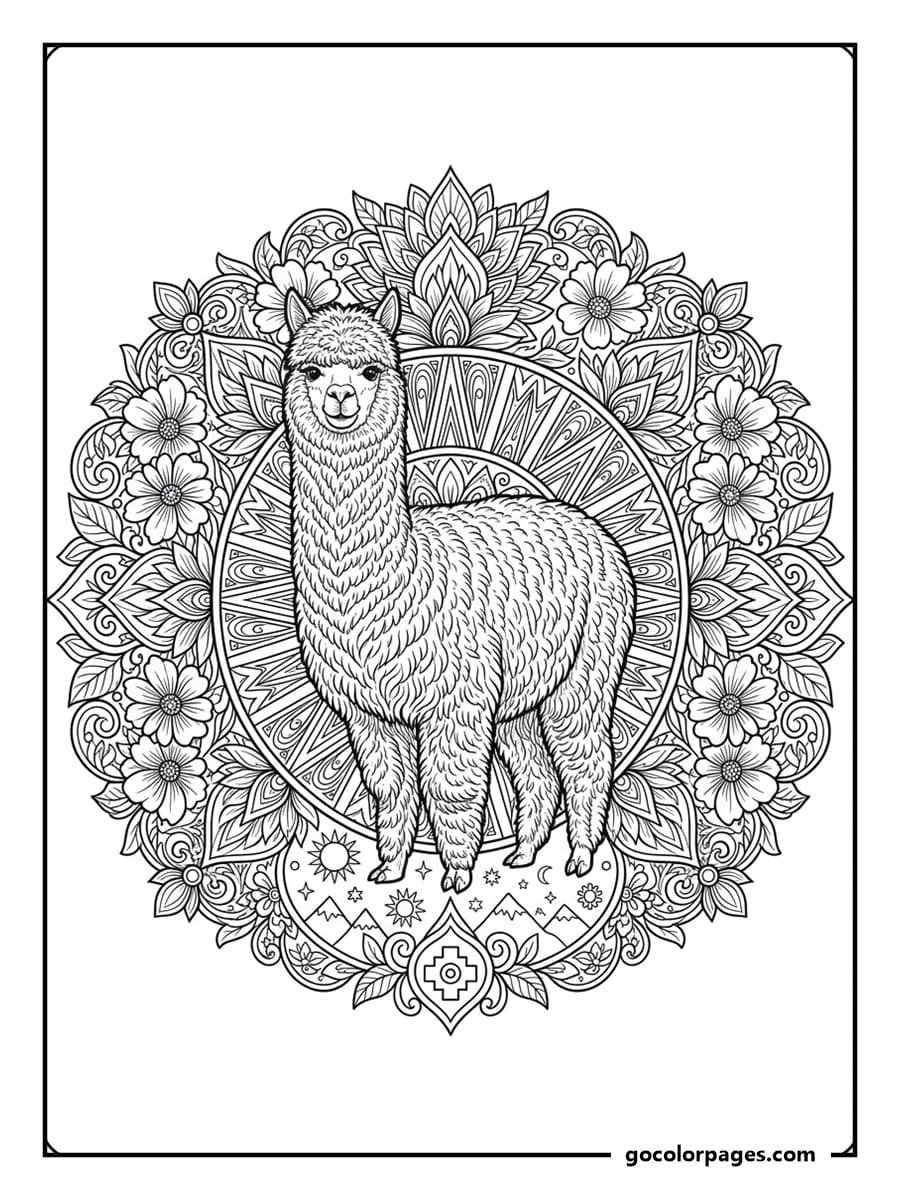
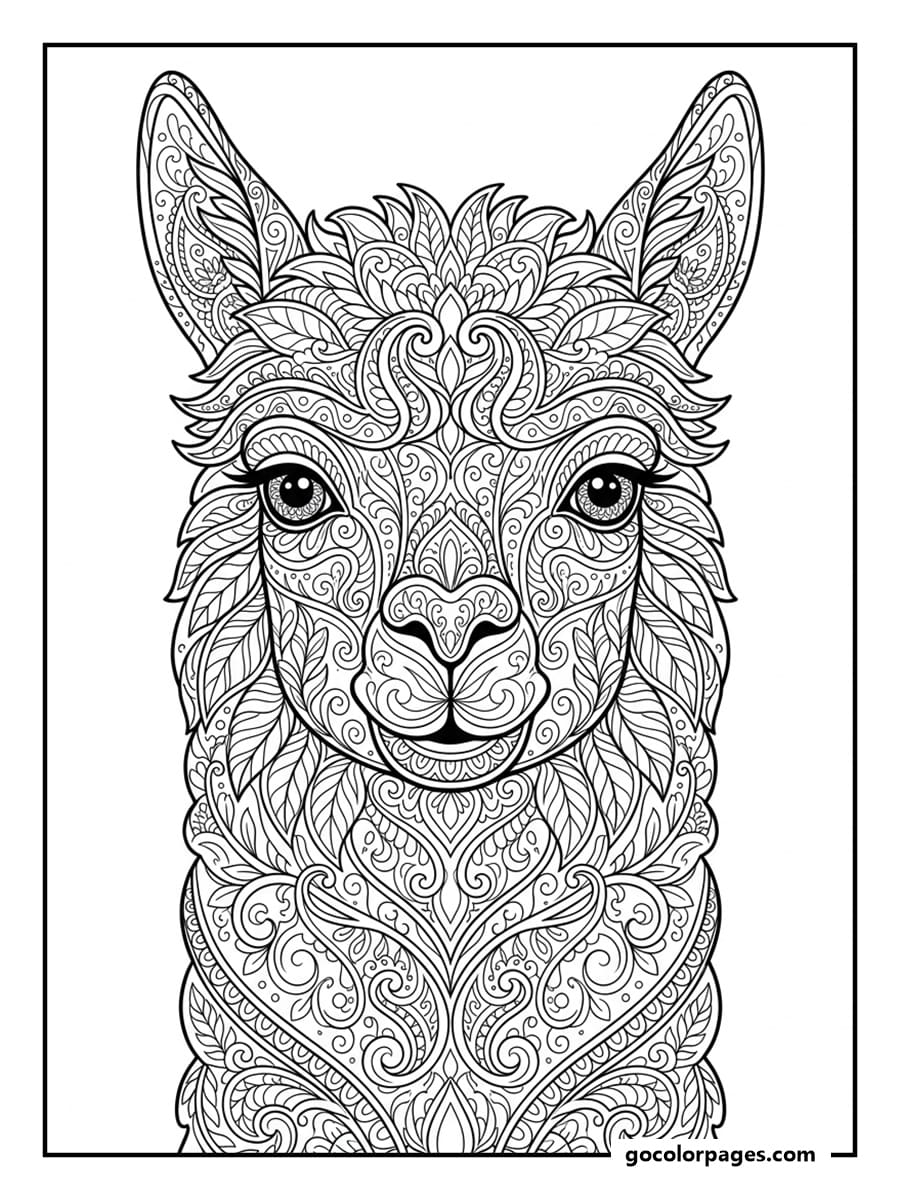
- Intricate Folk-Art and Zentangle Alpacas for Adults: Ornate botanical weaves, mandalas, and Quechua diamond motifs etched directly into the locks of wool for multi-evening fine-liner and colored pencil sessions.
"Check the ears and forehead before you print curved banana ears and a bare snout belong to a pack llama, while short spear ears and a wooly bangs topknot mark a true alpaca."
Why White Alpaca Coloring Sheets Turn Gray and How 22 Shades Fix Them
Hand someone one of our fluffy alpaca coloring sheets and they almost always freeze for ten seconds. If they leave the wool completely blank, the page feels unfinished; if they scrub a regular gray crayon or lead pencil across the torso, the alpaca looks like it just rolled in fireplace ash.
Here is the liberating truth most coloring books never mention. According to the Alpaca Owners Association (AOA) fiber registry, alpacas grow coats in 22 officially recognized natural shades making them one of the most color-diverse fiber mammals on the planet. Stepping away from plain white or muddy charcoal opens up a warm, sun-drenched Andean palette right inside your standard pencil tin or Ohuhu pastel marker set.
- Sunlit Cloud White Using the 85 Percent Bare Paper Rule: Never color a white alpaca from edge to edge; leave 85% of the torso untouched white paper and tint only the undersides of the neck ruff, belly fluff, and inner legs with warm buttercream, pale peach, or icy periwinkle.
- Toasted Marshmallow and Warm Fawn: Lay down a whisper-soft cream base across the back, blend golden honey or camel along the lower ribs, and tuck burnt sienna strictly under the chin and tail curl.
- Andean Rose-Gray and Silver-Lilac: Skip dead battleship gray; glaze dusty rose or pale mauve across the sunlit shoulder and blend cool slate-lavender into the deep fleece folds to mimic Peru's prized Rose-Gray herds.
- Wild Vicuña Cinnamon and Piebald Tuxedo Coats: Color the saddle and outer legs in rich terracotta-cinnamon while leaving the chest bib, belly, and lower socks bright cream the classic two-tone tuxedo coat inherited from the alpaca's wild ancestor, the golden Andean vicuña.
Three Fiber Tricks for Fluffy Huacaya Clouds and Silky Suri Locks
Coloring an alpaca with long, straight back-and-forth strokes flattens its fleece into ironing-board cardboard. To make wool look touchably soft on flat paper, your wrist needs to match the way real alpaca fiber grows in the high Andes.
Shepherds and fiber spinners divide alpacas into two distinct breeds. Roughly 90% are Huacaya alpacas, whose crimped, springy fibers grow straight out from the body like a plush teddy bear, while the remaining 10% are Suri alpacas, whose non-crimped silk fibers hang down in long, gleaming pencil locks.
Shading Huacaya Cloud Puff Recesses With Lower C-Curve Scallops
If you have ever practiced how to draw cumulus clouds or puffy treetops, you already know the golden rule of fluffy volume. The secret lives entirely in the bottom edge of each bump.
Look at the scalloped black outline running along your Huacaya alpaca's chest, cheeks, and hips. Instead of filling the whole body, take a cream, soft apricot, or 20% French gray pencil and trace a three-millimeter crescent only along the bottom C-curve of each printed puff. Drop five or six floating U-shaped crescents in the open middle of the torso, leaving the upper dome of every puff bare white paper so overhead sunlight bounces off the wool.
Pulling Vertical S-Wave Ribbons for Draping Suri Dreadlocks
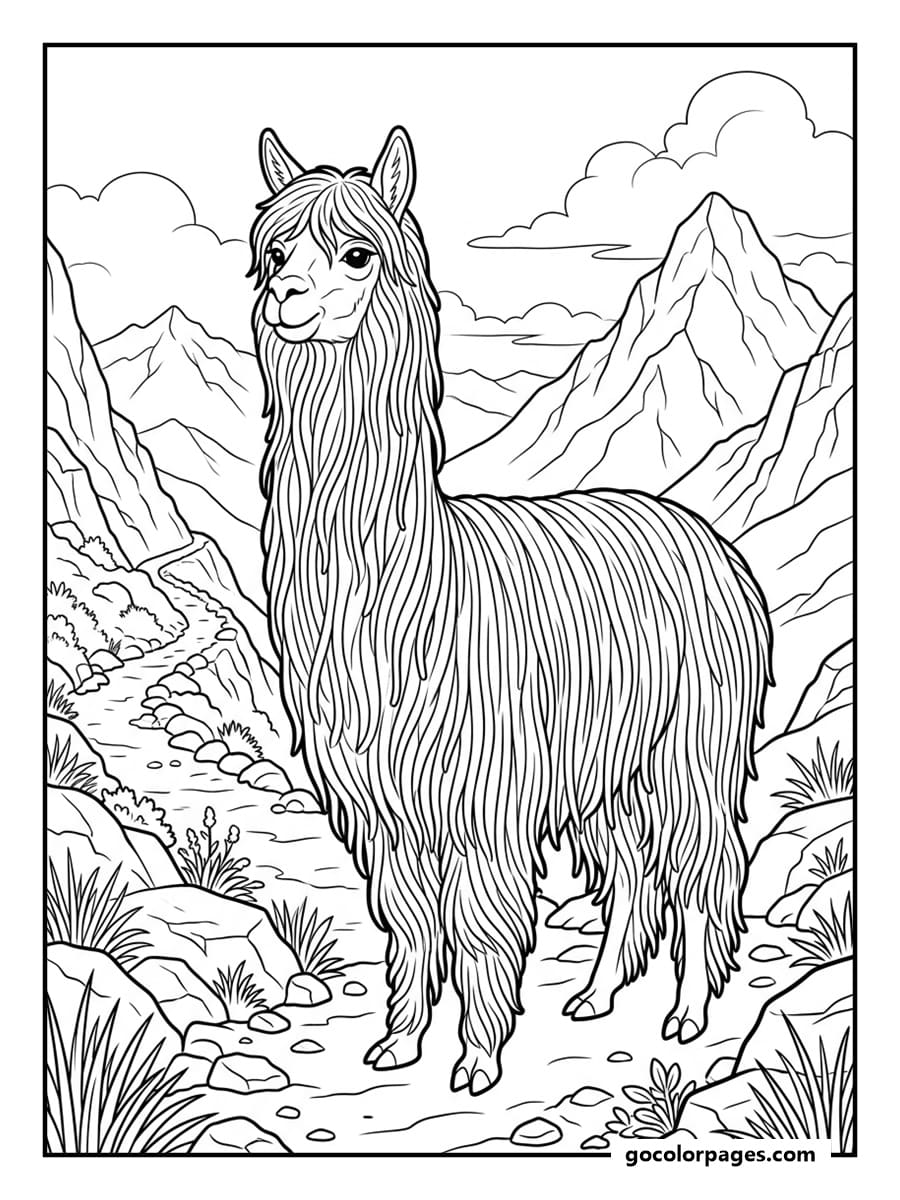
When you pick a realistic or adult sheet showing a Suri alpaca with long, corded fringe hanging from its neck and belly, circular cloud loops will make the coat look tangled. Suri fiber behaves like heavy liquid silk.
Rotate your pencil and pull gentle, vertical S-shaped strokes from the spine down toward the knees. Shade the narrow crease between each hanging lock with warm raw umber or dark chocolate, and leave an uncolored vertical ribbon of pale champagne running right down the center of each cord to capture its natural sheen.
Keeping the Plush Topknot Bonnet Soft Above the Smooth Muzzle
An alpaca's irresistible personality comes from the texture contrast between its towering forehead fluff known among breeders as the bonnet and its tiny, smooth-haired snout. When both areas get colored with the same heavy pressure, the face loses its sweetness.
Cast a soft, two-millimeter shadow of warm beige or lavender directly underneath the overhanging forehead bangs right across the bridge of the nose. Blend a tiny oval of coral pink onto both rounded cheeks, and if you're using alcohol markers, flick ten or twelve tiny white Sakura Gelly Roll pen ticks outward across the black collar outline so loose wool fibers appear to overlap the line art.
Pairing Neutral Wool With High Contrast Peruvian Aguayo Blankets
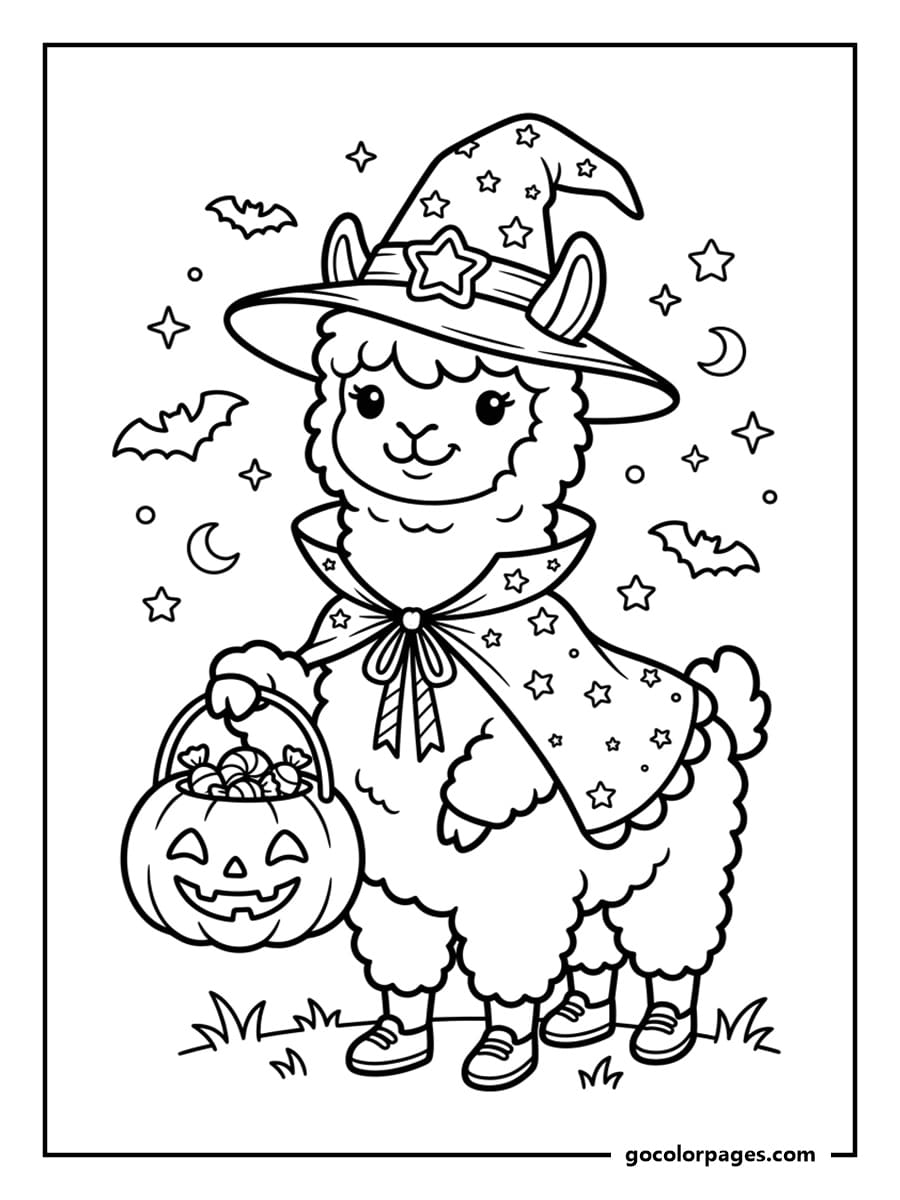
Festive alpaca pages are packed with joyful Andean accessories striped woven saddle blankets, ear-flap Chullo hats, flower crowns, and stacked wool pom-poms. Yet we constantly see kids and adults color the alpaca's fleece bright yellow or pink and then color the blanket in the exact same pastel tones, turning the centerpiece into visual soup.
Traditional Quechua weavers in Cusco and Peru's Sacred Valley solved this contrast puzzle centuries ago. Because natural alpaca herds are cream, fawn, brown, and gray, Highland weavers dyed their ceremonial carrying cloths (Aguayos or Llicllas) using crushed cochineal insects for electric carmine red, mountain q'olle flowers for marigold gold, and wild indigo so the textiles would blaze against the dry 13,000-foot Altiplano plateau.
Apply the 80/20 Andean Contrast Rule on your next festive sheet: keep the alpaca's coat quiet and low-saturation across 80% of the page so the woven accessories can sing across the remaining 20%.
- The High-Altitude Fiesta Triad of Carmine, Turquoise, and Marigold: Alternate bands of deep magenta-crimson, bright turquoise-teal, and warm marigold gold across the striped saddle cloth to create instant South American color vibration against cream or light fawn wool.
- Shading Round Neck Pom-Poms Like Fuzzy Mini Spheres: Those festive yarn balls clipped to an alpaca's ears and neck are called t'ikas never fill them flat; leave a tiny off-center speck of bare paper on each ball and stipple tiny dots around the outer rim so they look like puffy yarn spheres.
- Saving a White Buffer Stripe on Detailed Zigzag Borders:On folk-art patterns or intricate adult coloring pages, leave one narrow zigzag stripe inside the geometric blanket border completely uncolored white or pale lemon to keep saturated red and blue marker inks from bleeding into muddy purple.
"Let the fleece whisper so the blanket can sing a quiet cream or soft fawn alpaca makes a crimson and turquoise Peruvian saddle cloth glow like stained glass."
Turning Free Printable Alpaca Pages Into Yarn and Cotton Crafts
Unlike sharks or reptiles, alpacas are fiber animals meant to be touched. Leaving a finished alpaca sheet flat on the refrigerator door misses half the sensory fun, especially for preschoolers learning letter sounds or older kids who love hands-on yarn crafts.
When we test our printable coloring pages for kids with kindergarten teachers and homeschooling families, these three off-the-page fiber projects consistently turn a fifteen-minute coloring break into a keepsake craft.
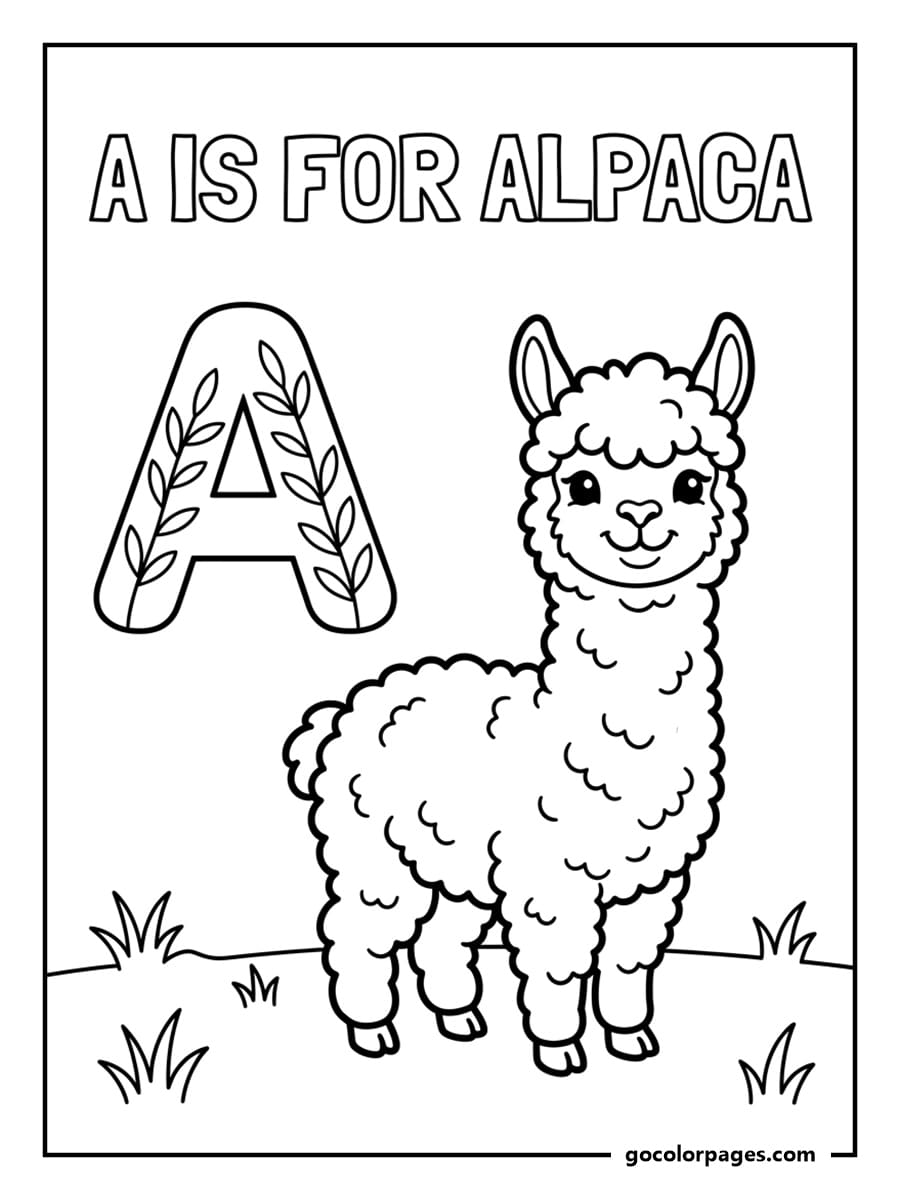
- Letter A Is for Alpaca Pulled-Cotton Collages: Have kids color the muzzle, ears, legs, and Peruvian blanket first, then hand them six regular cotton balls; instead of gluing hard round cotton balls whole onto the paper, show them how to pull and stretch the cotton into wispy clouds before gluing it over the torso and forehead bonnet for fluffy 3D relief.
- Cardboard-Notch Aguayo Yarn-Wrapping Looms: Glue a finished alpaca printout onto thin cereal-box cardboard, cut out the silhouette, and snip five tiny three-millimeter notches along the back spine and five matching notches along the belly so kids ages six to ten can wrap real multicolored knitting yarn around the midsection like a woven saddle blanket.
- 22-Shade Pastel Marker Swatch Herds for Cozy Colorists: Print four mini alpaca PDF templates onto a single sheet of heavy cardstock using your printer's "4-Up" layout and use each alpaca's fluffy clouds to swatch and label your lightest pastel marker trios Warm Creams, Rose Grays, Mint Teals, and Dusty Lilacs for quick desk reference.
Frequently Asked Questions About Alpaca Coloring Pages
How can you tell the difference between an alpaca and a llama on a coloring page?
Check the ears and forehead first. Alpacas have short, straight, spear-shaped ears, a thick puff of wool covering their forehead, and a petite smooshed nose, whereas llamas have long, inward-curving banana-shaped ears, a bare elongated snout, and a taller, flatter pack-carrying back.
How do you color a white fluffy alpaca on white paper without making it look dirty gray?
Never color the entire coat edge-to-edge with a gray crayon or pencil. Leave 85% of the wool bare white paper and tuck narrow C-shaped scallops of warm buttercream, pale peach, or icy lavender strictly along the bottom edge of each cloud puff and under the chin.
What are the real natural colors of alpacas besides white?
According to the Alpaca Owners Association, alpacas grow fleece in 22 official natural shades. Alongside pure white, you can color realistic alpacas in warm champagne, light and dark fawn, rich cinnamon brown, bay black, silver, and a prized pinkish blend known as rose-gray.
What colors look best on Peruvian alpaca blankets, hats, and pom-pom tassels?
Pair a quiet cream, fawn, or rose-gray alpaca coat with high-contrast Andean folk colors specifically cochineal crimson red, bright turquoise blue, emerald green, and marigold yellow. Keeping the fleece neutral makes the woven Aguayo blanket, Chullo hat, and t'ikas ear tassels pop off the page.
Which easy alpaca coloring pages work best for toddlers and preschool crafts?
Choose single baby alpaca (cria) outlines drawn with thick contours, six to nine wide wool puffs, and zero small background rocks. Simple silhouettes give two-to-five-year-olds plenty of room to practice circular crayon strokes or glue pulled cotton balls for "Letter A Is for Alpaca" classroom units.
Print One Alpaca Sheet and Test the Bottom Scallop Trick Tonight
You don't need a loom or a trip to Cusco to make your next alpaca printout look soft enough to hug. Pull out one free printable sheet right now and run these two quick tabletop experiments in under ten minutes.
- Try the Lower C-Curve Cloud Trick on Five Wool Puffs (3 minutes): Grab a warm cream, pale peach, or light lavender pencil, leave the top 85% of your alpaca's back bare white paper, and shade only the bottom crescent of five chest and cheek puffs to watch flat paper puff up into 3D fleece.
- Test the Crimson-and-Turquoise Blanket Contrast (4 minutes): Color one saddle blanket stripe in deep crimson red and the adjacent stripe in bright turquoise against a soft fawn coat to see how high-altitude Andean color contrast works instantly.
When you sit down with a fresh stack of alpaca coloring pages, do you reach first for cute kawaii baby crias with boba tea and flower crowns, or festive Peruvian alpacas decked out in woven blankets and ear pom-poms?