
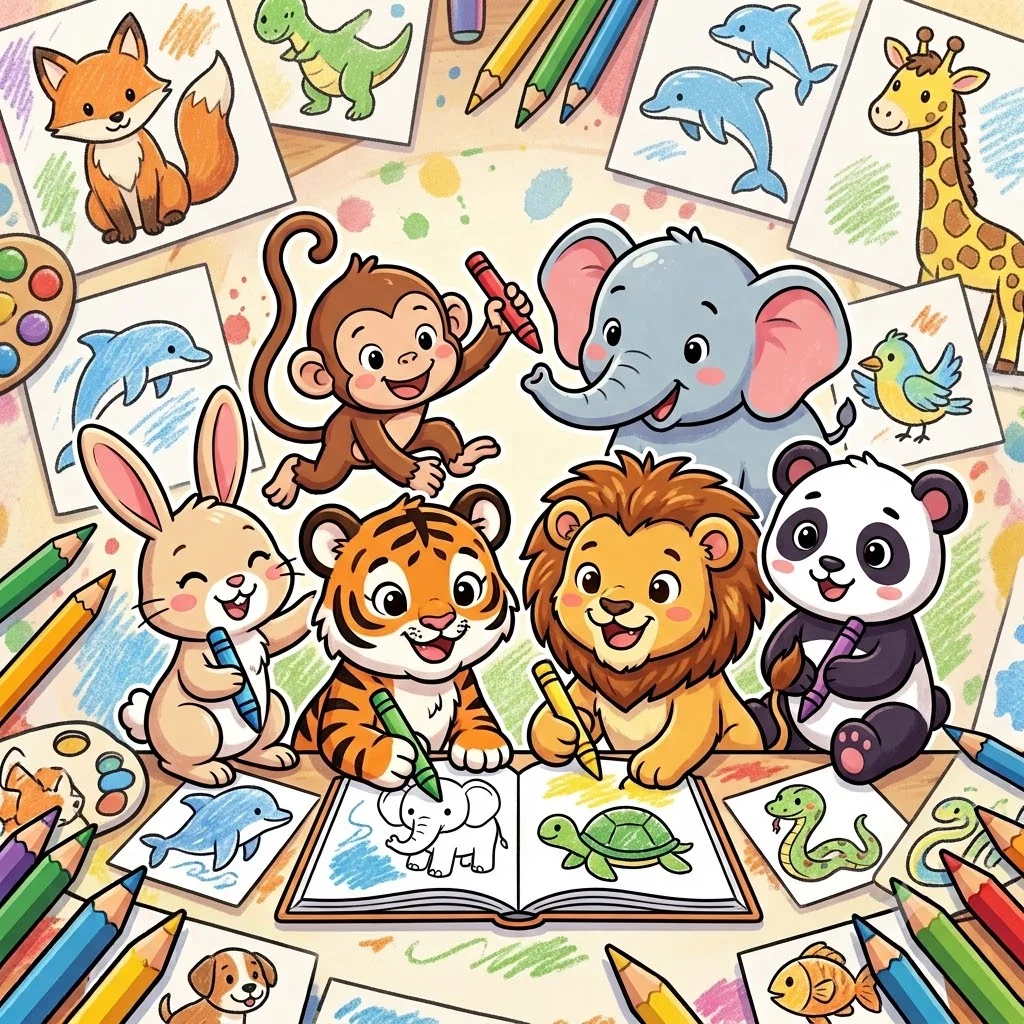
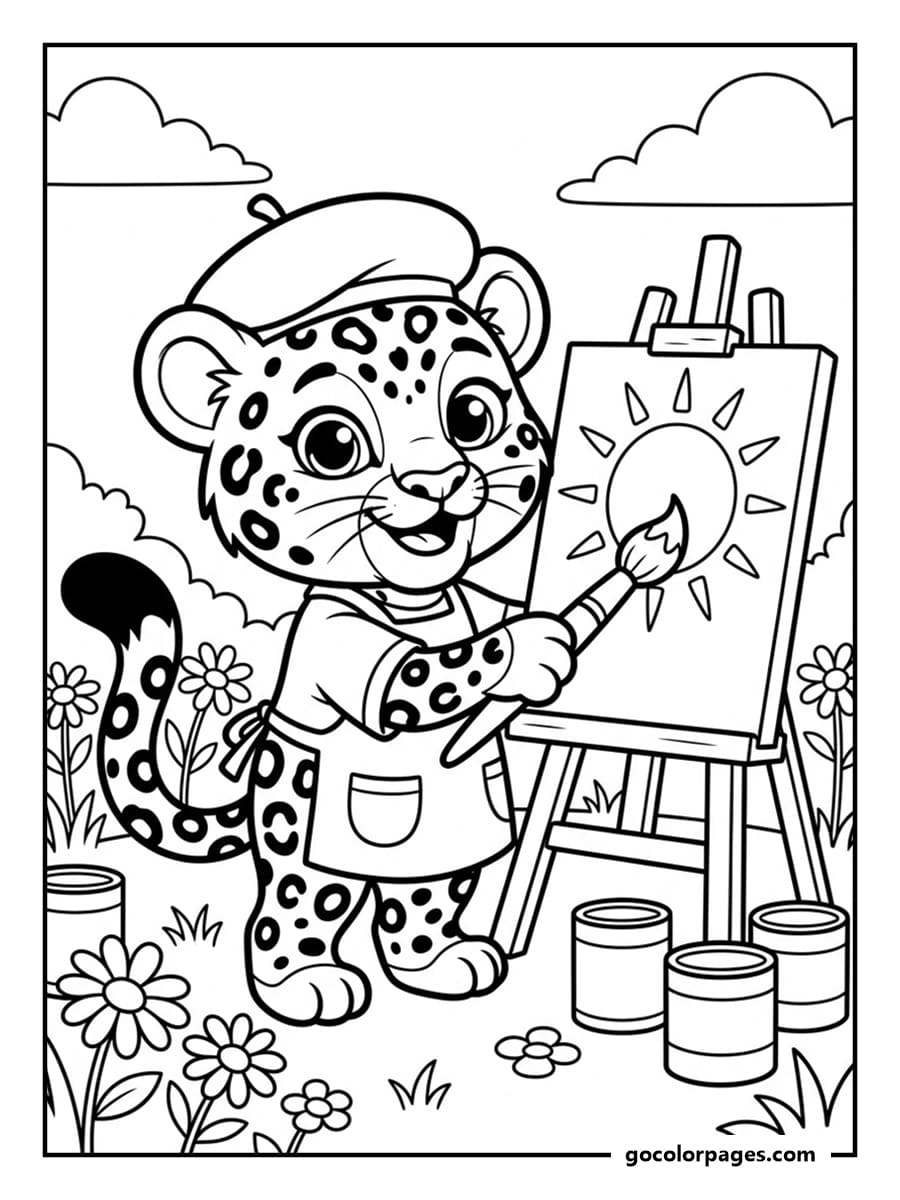
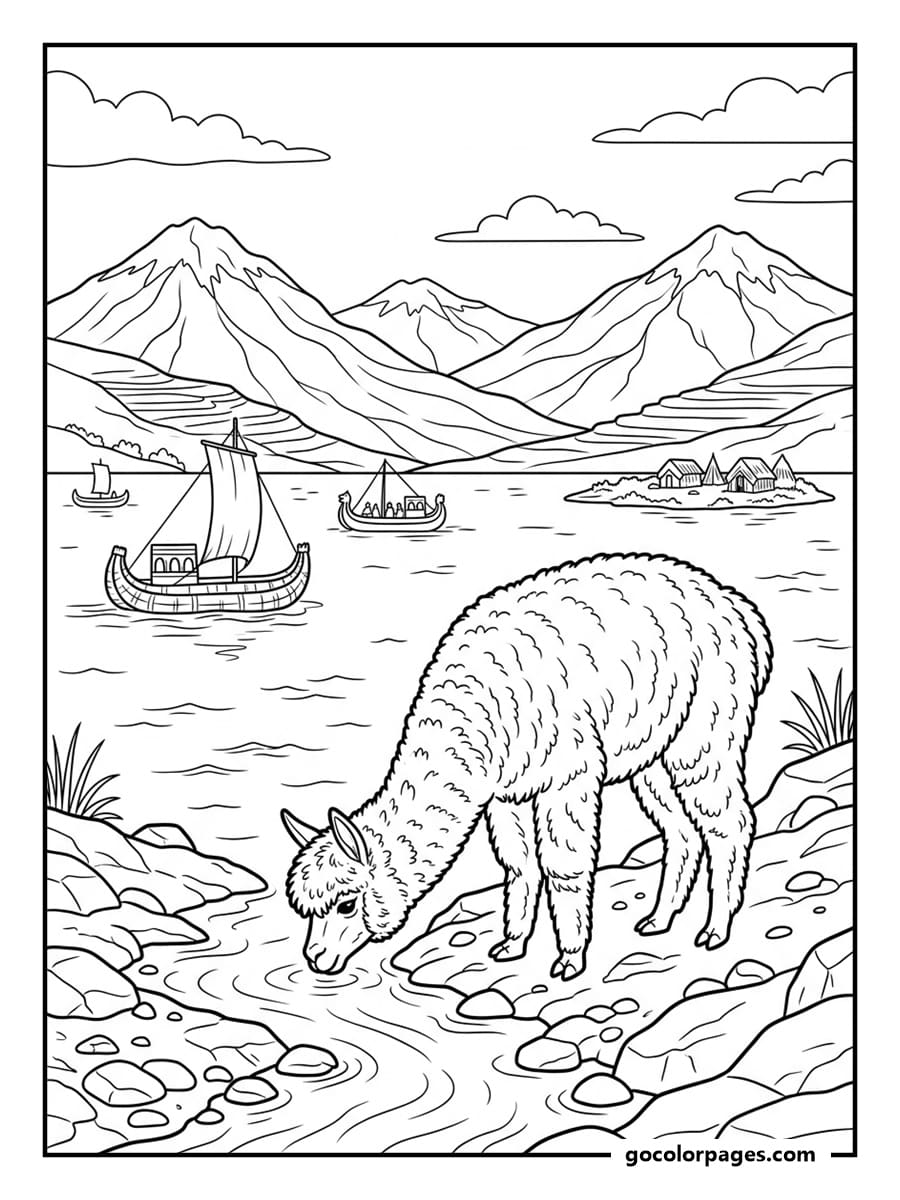
Put the plain brown crayon back. Over sixty percent of the mammals in any stack of animals coloring pages from grizzly bears and woodland deer to Highland cows and golden retrievers are brown or gray in nature. Scrubbing a single flat brown stick across every creature on the table turns lions, puppies, and barn owls into the exact same lifeless mud. When you swap solo earth tones for three-layer undertone palettes and leave a tiny white spark inside the pupil, even the simplest printable outline breathes on the page.
How to Navigate Six Major Animal Habitats Without Overwhelming Your Table
Dumping five hundred unsorted wildlife sheets in front of a kid or an exhausted adult guarantees choice paralysis. When every page from an aardvark to a zebra sits in one giant alphabetical pile, people spend twenty minutes scrolling and five minutes actually coloring.
When we organize our master library of printable coloring pages for classrooms and living rooms, we group every creature by its biological ecosystem. Picking a single habitat before you open your pencil tin solves half your palette decisions automatically an ocean reef demands teals and magentas, while an autumn forest calls for rust, moss green, and golden ochre.
- Farm and Barnyard Favorites: Spotted dairy calves, curly-tailed piglets, woolly sheep, and Clydesdale horses built with wide 6-to-12-zone silhouettes that let toddlers master basic pink, cream, and barn-red fills without tight corners.
- Domestic Pets and Backyard Companions: Golden retrievers, tabby kittens, lop-eared bunnies, and Syrian hamsters where expressive floppy ears, collar tags, and food bowls invite kids to recreate their own family pets.
- African Safari and Jungle Predators: Maned lions, reticulated giraffes, Bengal tigers, and bush elephants featuring built-in biological patterns rosettes, stripes, and wrinkled skin folds that guide marker placement naturally.
- Ocean Reefs and Deep-Sea Life: Hawksbill sea turtles, humpback whales, octopuses, and clownfish that give your hand a break from dry earth tones with sweeping turquoise, coral pink, and sunlit aqua gradients.
- North American Woodland and Forest Creatures: Red foxes, barred owls, masked raccoons, and white-tailed stags tucked among acorns, fern fronds, and oak bark for autumn nature study units.
- Viral Exotic and Cozy Critters: Chubby capybaras soaking in hot springs, smiling axolotls, red pandas, and fluffy Highland cows the breakout stars across both elementary classrooms and adult BookTok marker communities.
"Picking a habitat before you open your pencil tin solves half your color choices automatically a coral reef demands teals and magentas, while a woodland floor calls for ochres, moss greens, and rust."
The Brown Crayon Trap and How to Color Earth Tone Mammals Without Mud
Watch ten people color a woodland bear or a barnyard horse and nine of them will reach straight for the dark brown crayon. Three minutes later, the heavy wax buries the printed black fur lines and leaves the animal looking like a flat chocolate cutout.
Natural history illustrator John James Audubon and color theorist Josef Albers both proved why single-pigment earth tones fail on paper. Living fur and feathers are slightly translucent; the top of an animal's spine reflects cool sky light, its mid-body glows with warm blood and keratin undertones, and its belly catches reflected ground bounce.
Even if you're coloring with a four-dollar box of Crayola Colors of the World crayons or an entry-level tin of Prismacolor Premier pencils, you can banish muddy coats forever by using a three-crayon undertone recipe.
- The Warm Amber Trio for Bears, Dogs, Lions, and Deer: Lay down a whisper-light coat of canary yellow across the sunlit back, glaze warm terracotta or peach through the mid-body, and reserve dark burnt umber strictly for the neck crease and belly shadow.
- The Living Slate Formula for Elephants, Rhinos, and Koalas: Skip lifeless lead gray; shade the upper spine and forehead with pale sky blue or soft lavender, then blend warm pebble gray along the lower legs and wrinkled ankle joints.
- The Never-Use-Black Rule for Pandas, Penguins, and Orcas: Pure black wax or marker ink swallows the printed black contour lines and turns a panda's shoulder into a flat hole; build "black" fur with deep Prussian blue or dark blackberry plum, saving true black solely for the center of the eye.
Bringing Eyes, Noses, and Paws to Life in Under Two Minutes
Your brain decides whether an animal illustration looks alive or taxidermied within four-tenths of a second. Wildlife portraitists call the secret the "Ocular Triangle" the tight visual zone connecting the left eye, the right eye, and the wet tip of the muzzle.
You can color a wolf's coat with museum-grade pencils, and the sheet will still feel stiff if those three focal points are filled flat. Spend ninety seconds detailing the eyes, nose, and feet before you even touch the body fur.
The Two Millimeter White Catchlight Trick for Living Eyes
The single biggest mistake on any animal sheet is coloring the pupil completely solid black. A solid dark eye absorbs all light and makes a playful puppy or an eagle look like a lifeless stuffed toy.
Before you touch a black marker or pencil to the eye, draw a tiny two-millimeter circle near the upper-left ten-o'clock edge of the pupil and leave that speck bare white paper. Shade the top half of the surrounding colored iris slightly darker where the upper eyelid casts a shadow, and let the bottom crescent of the iris glow bright amber, emerald, or sky blue.
Shading Wet Noses, Velvet Muzzles, and Translucent Inner Ears
Dry noses make mammals look like plastic figurines. To give a dog, bear, calf, or big cat a damp, breathing snout, leave a narrow horizontal strip of uncolored white paper right across the top bridge of the nose before shading the lower nostrils charcoal gray or rose pink.
Apply that same light-trap habit to the inside of bunny, fox, and piglet ears. Blend a soft dusty rose at the deep base of the ear canal out into warm apricot or cream near the thin outer rim so the cartilage looks backlit by the sun.
Grounding Hooves, Claws, and Paws With a Four Millimeter Cast Shadow
If you have ever studied how to draw animals from life, you know that unshaded feet make a five-hundred-pound Bengal tiger look like it's levitating in mid-air. White paper offers zero gravity until you put a shadow on the ground.
Finish every standing or sitting creature by sweeping a flat, four-millimeter horizontal oval of cool violet-gray or mossy green directly underneath each paw, hoof, or perched talon. That five-second shadow instantly locks the animal's weight onto the page.
Matching Fur, Feather, and Scale Strokes to the Way Creatures Move
Most people color a golden retriever, a macaw, and a sea turtle using the exact same long, back-and-forth diagonal scribble they use to fill a coloring book sky. Uniform strokes erase biology.
Even on bold, simple templates, the direction and length of your marks tell the viewer's eye whether a surface is soft, slick, or armored. Rotate your page as you work so your wrist naturally pulls strokes in the direction the creature's outer covering grows from head to tail.
- Short Velvety Coats vs Shaggy Winter Pelts: Pull crisp, three-millimeter tapered pencil flicks radiating outward from the nose bridge for short-haired horses and hounds, or switch to tiny overlapping figure-eight loops for fluffy sheep wool, poodles, and alpacas.
- Overlapping Bird Wing Primaries and Breast Plumage: Press firmly at the tucked root where one feather slips beneath the row above it, then feather your hand pressure to near-zero at the rounded tip so every wing tier steps forward in three dimensions.
- Domed Reptile Scales and Sea Turtle Shells: Wrap a tiny C-shaped shadow crescent along the bottom-right curve of each individual scale or hexagonal turtle scute, leaving the upper-left ridge pale to create instant curved armor.
- Smooth Amphibian and Marine Skin: On bold cute and easy coloring pages or ocean templates, chase a wet base of aqua or lime Ohuhu alcohol marker ink with a slightly deeper teal along the belly curve while the paper is still damp.
"Never color across an animal's body like you're mowing a flat lawn move your pencil in the exact direction rainwater would run off its coat."
Turning Finished Animal Printouts Into Classroom Biomes and Home Keepsakes
Most finished coloring sheets survive for forty-eight hours on the refrigerator door before quietly sliding into the recycling bin. Because animal templates naturally mirror elementary biology units, a pair of scissors and a glue stick can turn a ten-minute coloring session into a hands-on science lab.
When we test printable coloring pages for kids with second-grade teachers and homeschooling parents, these three off-the-page builds consistently keep kids engaged for an entire afternoon.
- Stand-Up Shoebox Habitat Dioramas: Have kids leave a half-inch white paper tab attached to the bottom of their animal's feet when cutting out the silhouette; fold that tab backward at a ninety-degree angle and tape it to the floor of a painted shoebox so paper giraffes, sharks, and foxes stand upright in 3D space.
- Backyard and Zoo Taxonomic Field Binders: Three-hole punch completed sheets into habitat dividers Mammals, Birds, Reptiles, and Marine Life and let kids ages five to ten write three real predator, diet, or lifespan facts on the blank reverse side before visiting the local zoo.
- Three-Color Limited Palette Warmups for Adults: Use intricate adult coloring pages featuring owls, wolves, or koi fish to test tight three-pencil color harmonies such as indigo, burnt sienna, and yellow ochre before committing expensive watercolor or oil paint to canvas.
Frequently Asked Questions About Animals Coloring Pages
How do I keep brown and gray animals from looking muddy and flat?
Skip single brown or lead-gray crayons that bury the black line art under heavy wax. Layer canary yellow, warm terracotta, and burnt umber for rich mammal fur, or pair pale lavender with warm pebble gray to give elephants, koalas, and rhinos lifelike depth.
Which animal coloring pages are best for teaching toddlers animal names and sounds?
Start with single barnyard pets or smiling ocean creatures drawn with 5 to 9 large enclosed shapes and zero background grass. Uncluttered silhouettes of cows, pigs, ducks, and lions let two-to-four-year-olds connect each animal's shape with its sound without getting lost in busy forest scenery.
How do you color white animals like polar bears, swans, and arctic foxes on white paper?
Never color a white animal edge-to-edge with gray crayon, or it will look like a storm cloud. Leave 80% of the creature bare white paper, and lightly shade only the inner ear folds, under-chin shadow, belly curve, and paw creases using icy sky blue, pale lilac, or warm cream.
Why are capybaras, axolotls, and Highland cows so popular in coloring pages right now?
Their rounded, top-heavy silhouettes and calm expressions pair effortlessly with the viral "Bold and Easy" cozy coloring trend. Unlike intricate zentangle predators with hundreds of tiny teeth and claws, a chubby capybara or shaggy Highland cow offers wide, stress-free zones for blending alcohol markers.
Grab Your Crayons and Test the Two Minute Eye Catchlight Trick Tonight
You don't need a studio full of seventy-two artist pencils to make your next wildlife sheet look like it's ready to walk off the desk. Pull out one animal printout right now and try these two quick studio upgrades in under ten minutes.
- Test the Amber Trio on a Single Ear (4 minutes): Pick any puppy, bear, deer, or lion sheet, leave the plain brown crayon in the box, and layer canary yellow, terracotta orange, and a touch of dark umber inside one ear to watch flat paper turn into glowing fur.
- Add the 10-O'Clock Eye Spark and Paw Shadow (3 minutes): Leave a two-millimeter white dot uncolored inside the upper-left corner of both pupils, then sweep a narrow violet-gray shadow directly underneath the paws to plant your animal on the ground.
When you spread out a fresh stack of animal sheets at your table, which habitat always gets claimed first ocean reefs, African safari predators, woodland foxes, or cozy barnyard critters?