
Packing a country study binder or a long-haul airplane activity kit gets frustrating fast when a single folder mixes toddler clip art with thousand-brick cathedral blueprints. A first-grader learning to spot Europe's most famous peninsula needs bold, open shapes, while an older sibling or adult traveler usually wants the layered arches of ancient Rome or the stacked cliffside houses of Positano.
When we curate our master library of printable coloring pages for homeschool geography tables and travel journals, we sort Italian templates into five distinct line-art collections. Matching the landmark style to your table's age group before you hit print keeps everyone from three-year-olds to grandparents happily absorbed.
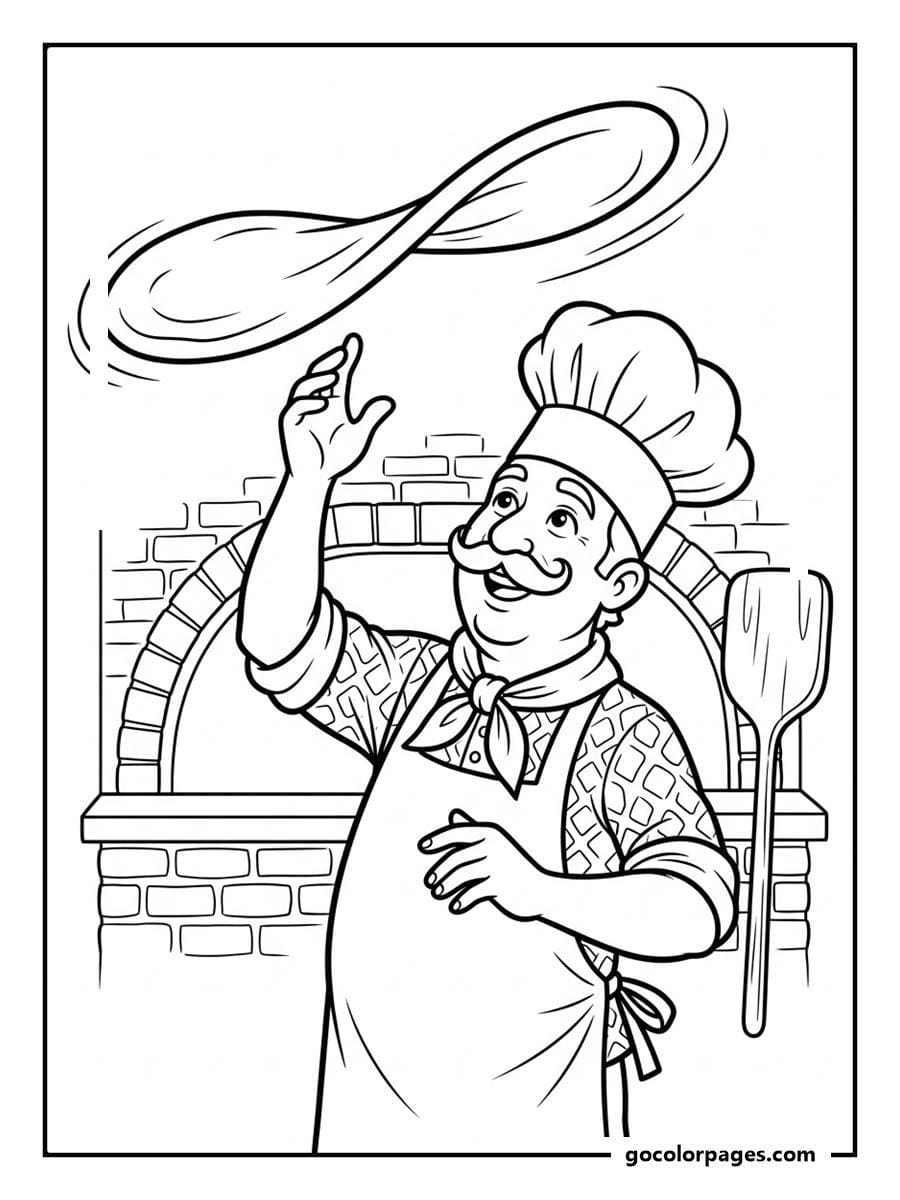
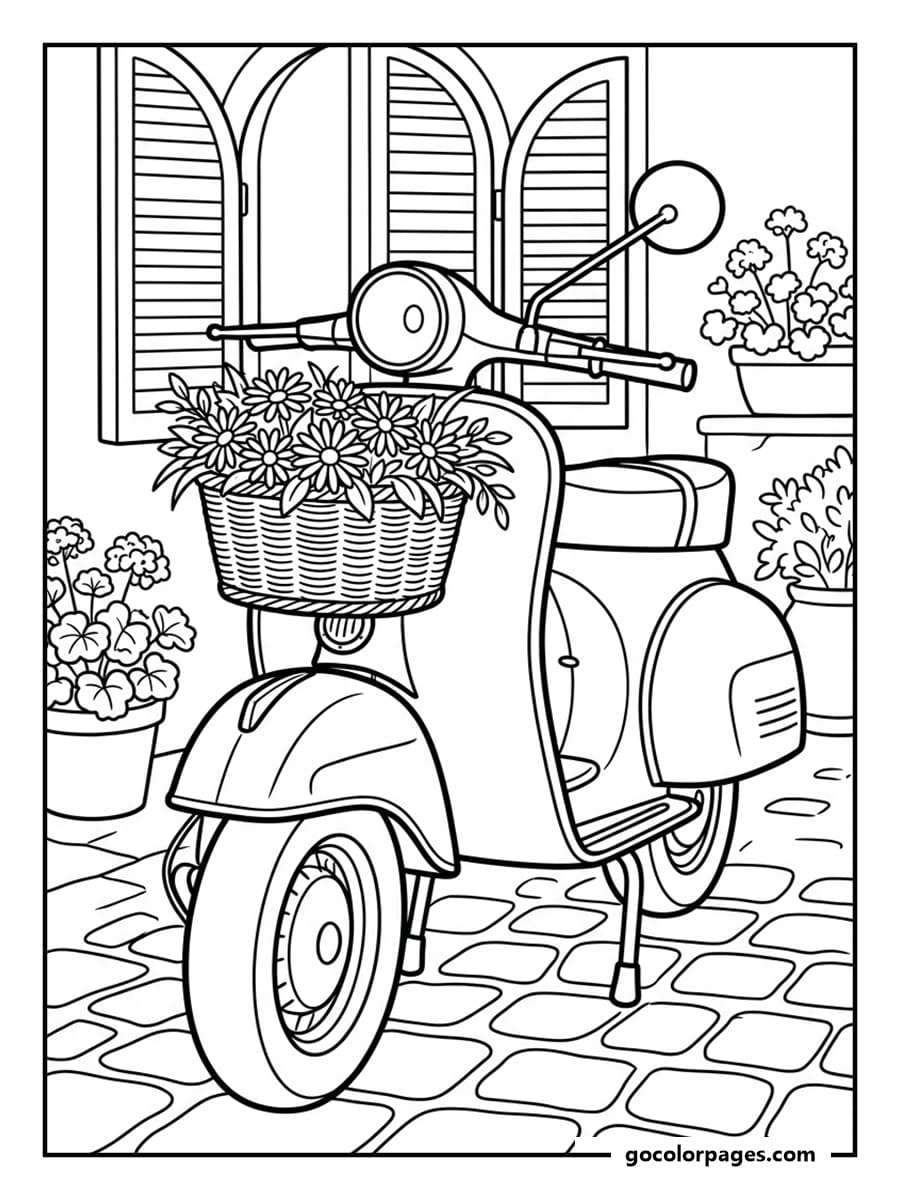
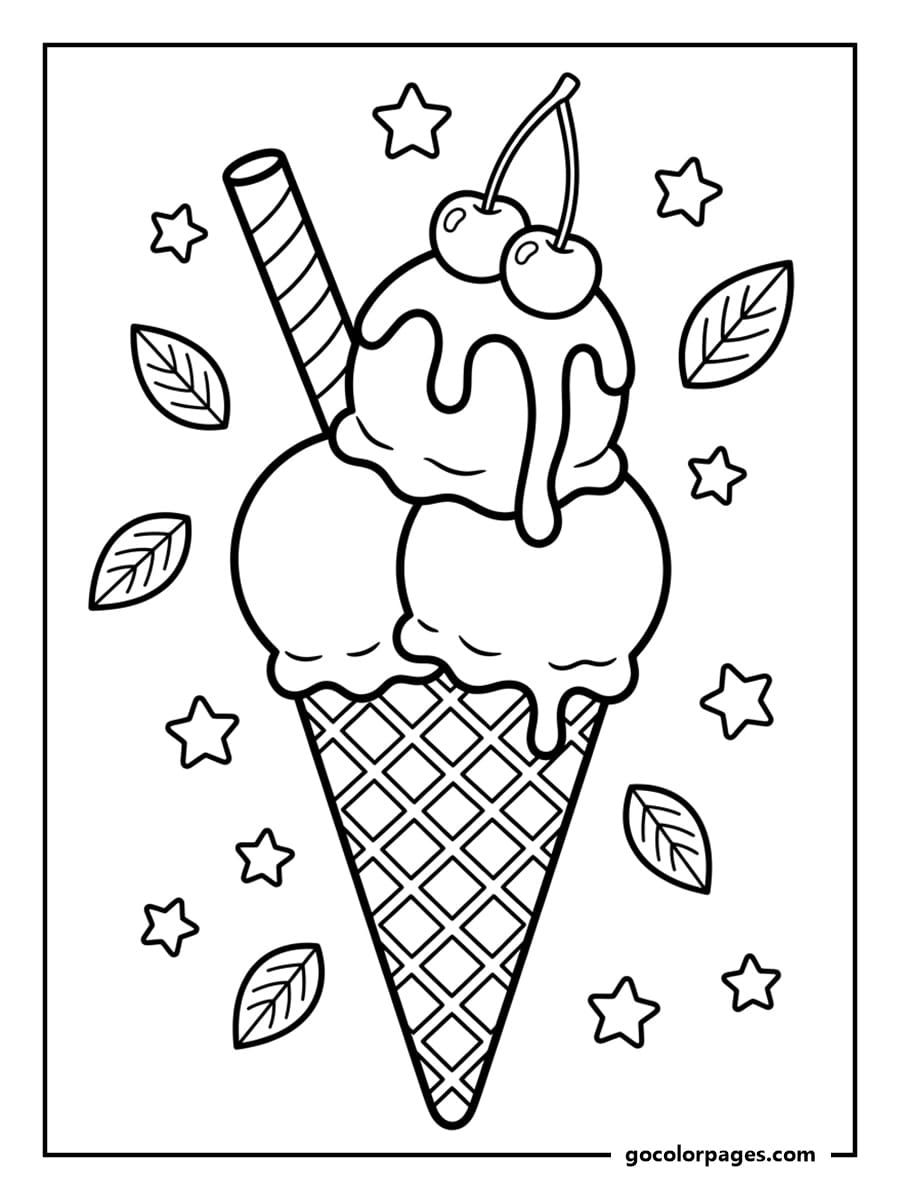
- Cute Vespa Scooters Gelato Cones and Pizza Sheets for Kids: Drawn with thick, forgiving contours and six to ten wide coloring zones, these starter pages feature retro Piaggio Vespas carrying baskets of daisies, triple-scoop pistachio gelato cones, and smiling chefs a natural companion to our cute and easy coloring pages for ages three to eight.
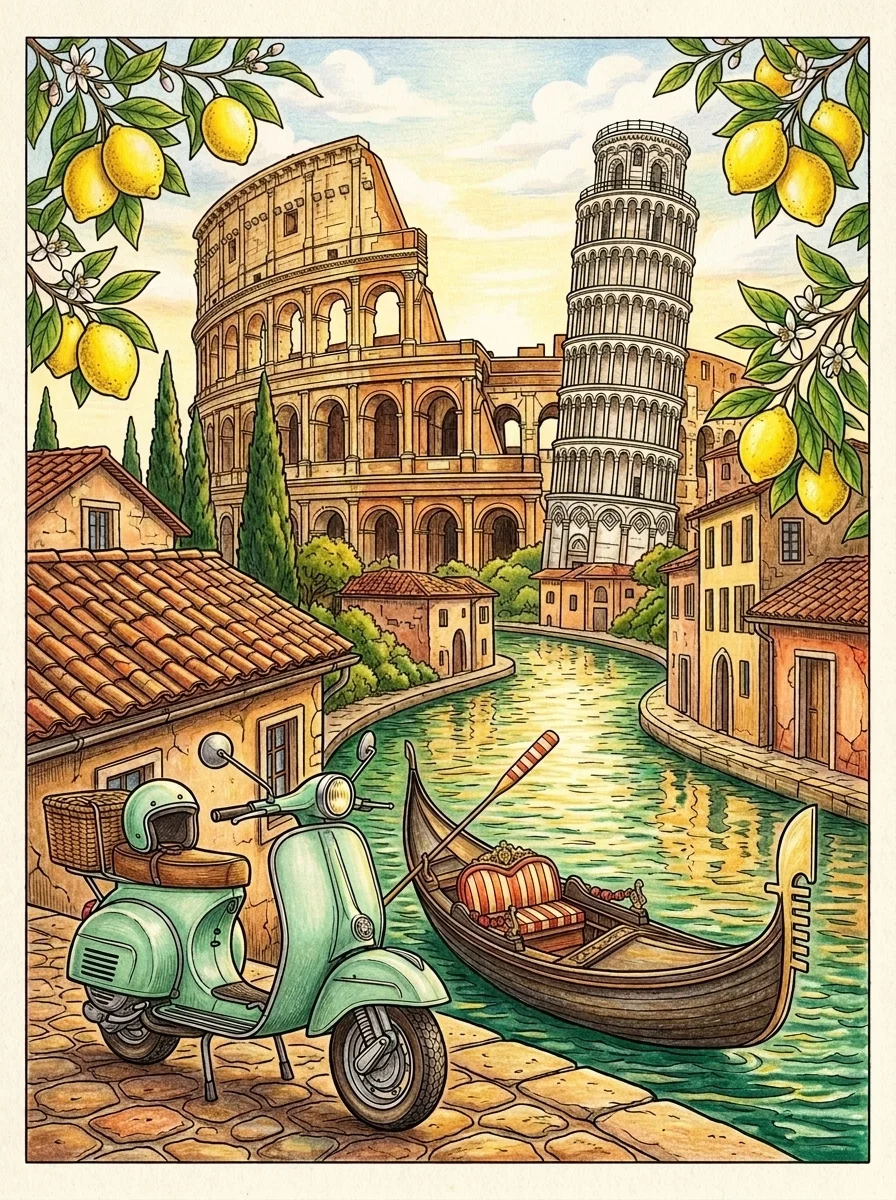
- Iconic Roman Colosseum and Leaning Tower of Pisa Landmarks: Crisp architectural elevations of Rome's Flavian Amphitheatre, the Baroque Trevi Fountain, Florence's domed cathedral, and Pisa's famously tilted bell tower.
- Venice Gondolas Rialto Bridge and Carnevale Masks: Romantic lagoon scenes showcasing striped gondoliers, arched stone footbridges, and ornate feathered Venetian masquerade masks.
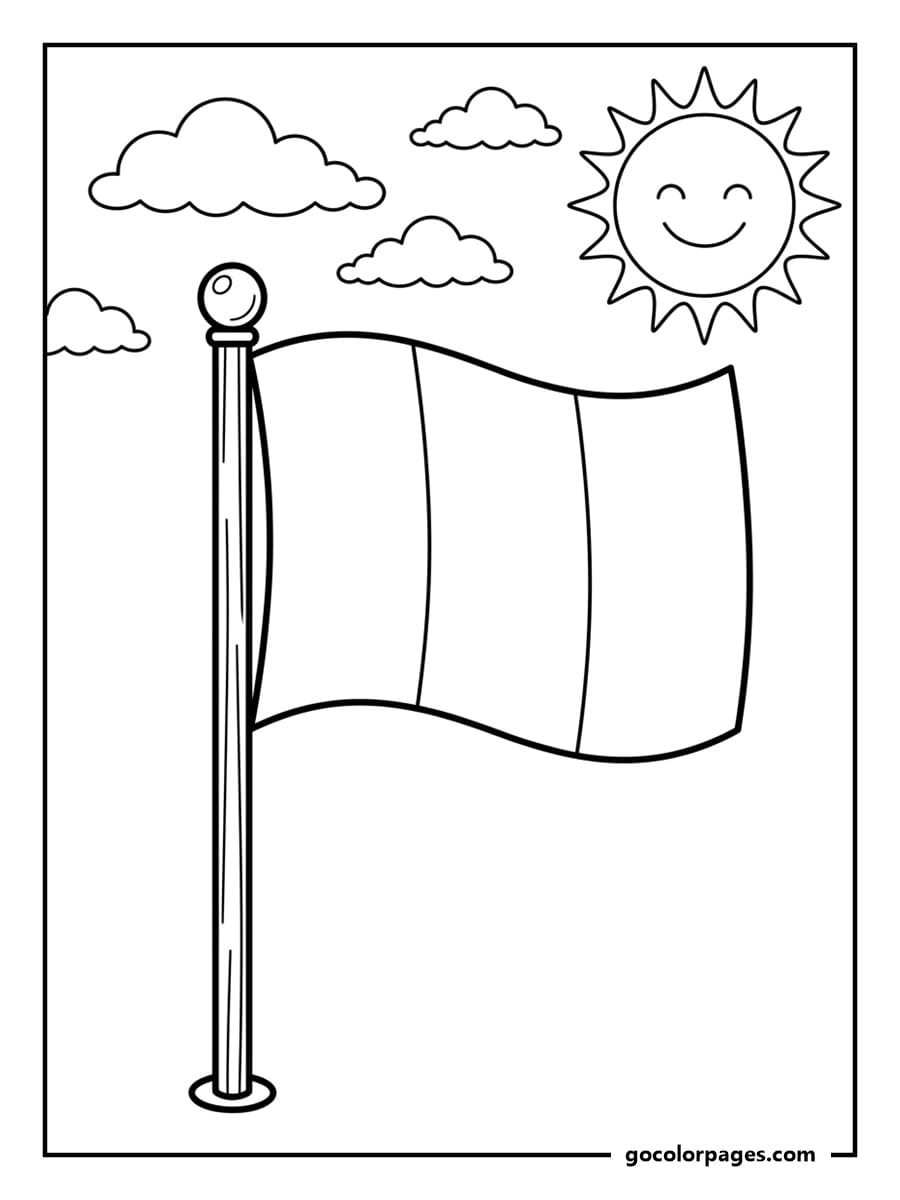
- Boot-Shaped Map of Italy and Tricolor Flag Worksheets: Classroom-ready peninsula outlines marking Rome, Venice, Florence, Sicily, and Sardinia alongside Il Tricolore flag banners for elementary social studies units.
- Detailed Tuscan Vineyards and Amalfi Coast Cliffside Prints: Winding cobblestone alleys, overhead lemon pergolas, and terraced Mediterranean villas engineered for fans of intricate adult coloring pages.
"Match the landmark to the attention span at your table a preschooler lights up over a three-scoop gelato cone and a boot-shaped map, while older kids and adults love carving dark shadow arches into the Roman Colosseum."
How Four Crayons Named After Italian Towns Rescue Gray Stone Sheets
Watch ten people sit down with our architectural italy coloring sheets, and nine of them will immediately pull out a standard gray crayon or lead pencil to shade the Colosseum, the Pantheon, and the Leaning Tower of Pisa. Five minutes later, the greatest monuments of the Mediterranean look like rainy parking garages.
Here is the art-history secret sitting right inside your everyday crayon box or colored-pencil tin. Several of the warmest earth pigments in the world were literally mined from Italian hillsides and named after Italian towns during the Renaissance. Leaving your neutral gray stick in the box and grabbing these four authentic Italian regional shades transforms flat paper into sun-warmed stone.
- Raw Sienna From the Clay Hills of Siena for Sunlit Travertine: Ancient Roman monuments were built from lapis tiburtinus a porous golden-cream travertine limestone quarried near Tivoli so base your walls in pale buttercream and glaze warm golden-yellow Raw Sienna across the sunlit tiers.
- Burnt Sienna and Terracotta for Florence Domes and Roof Tiles: When Renaissance pigment makers roasted golden Siena clay over an open fire, the iron oxide turned a glowing reddish-orange; use Burnt Sienna to shade Filippo Brunelleschi's famous octagonal brick dome in Florence and overlapping Tuscan roof tiles.
- Raw and Burnt Umber From Umbria for Deep Recessed Archways: Named after terra d'ombra the rich shadow earth of central Italy's Umbria region Burnt Umber lays down a warm dark chocolate-amber shadow that makes the eighty arched openings of the Colosseum pop without looking sooty.
- Venetian Red and Amalfi Lemon for Coastal Plaster Facades: Pair warm iron-oxide Venetian Red with bright Amalfi citron yellow, apricot, and pistachio green to capture the sun-washed stucco fisherman houses of Positano, Cinque Terre, and Venice's Burano island.
Three Texture Secrets for Roman Arches Venice Canals and Terracotta Roofs
Even with the right Italian earth palette on the table, coloring historical stone, lagoon water, and clay roof tiles with flat back-and-forth strokes makes a landmark look like painted cardboard. Spend three extra minutes adjusting your pencil pressure on these three signature Italian textures and your printout will look like a framed travel sketch.
Carving Half-Moon Arch Shadows and Pitted Travertine on the Colosseum
On Colosseum and Leaning Tower of Pisa sheets, beginners often color every stone block and every arched window the exact same medium tan. When the interior of an archway shares the same brightness as the outer wall, the cylindrical monument flattens into a pancake.
Use the Crescent Arch and Porous Stipple Trick before coloring the main facade. Fill only the upper-left crescent inside each arched opening (fornici) with dark Burnt Umber so the stone wall looks three feet thick, leave the sunlit outer columns pale cream, and tap the tip of a Raw Sienna pencil horizontally across the blocks to mimic the natural pitted holes of weathered Roman travertine.
Rippling Emerald and Gold Reflections Under a Black Venice Gondola
Since a sixteenth-century Venetian decree banned ostentatious gold-leaf boats, every authentic gondola on the Grand Canal has been painted six coats of pitch black with a polished steel prow (ferro). If you color the gondola hull solid black and scrub a flat royal-blue crayon across the canal water, the boat looks like a heavy black shoe sitting on a blue rug.
Venice's lagoon water isn't swimming-pool blue it's a living mirror of jade green algae and warm ochre palace reflections. Borrowing the broken-water technique from our nature coloring pages, leave 40% of the canal surface bare white paper and draw short, horizontal dashes of emerald green, turquoise, and golden ochre across the water, anchoring the gondola with a broken zig-zag reflection of dark charcoal directly underneath its hull.
Alternating Terracotta Barrel Tiles and Pastel Cliffside Villas
If you have ever practiced how to draw overlapping scales or rooftop shingles, you know that flooding an entire Tuscan farmhouse or Amalfi roof with a single orange marker erases all the individual clay tiles. Real Italian coppi roofs are laid from thousands of curved clay cylinders that bake and weather at slightly different speeds in the Mediterranean sun.
Pick three cousin shades apricot orange, Burnt Sienna, and deep Venetian Red and hop randomly from tile to tile so no two adjacent U-shaped curves share the exact same tone. Once the roof glows, frame the surrounding courtyard with tight vertical strokes of dark olive green for towering columnar cypress trees and bright canary ovals for hanging coastal lemons.
Mapping the High Heeled Italian Boot and Keeping the Tricolor Flag Crisp
Geography teachers and homeschooling parents print thousands of Italy maps and flag sheets every semester because the country's silhouette is an instant visual story. No child ever forgets a peninsula shaped like a giant high-heeled boot kicking a triangular rock into the sea.
Still, when elementary students work through our printable coloring pages for kids, two classic table mishaps pop up almost every time: kids reverse the vertical stripes on the Italian flag, or wet markers bleed across the black dividing lines and ruin the white center panel. These four quick table rules keep every geography sheet clean and accurate.
- Lock In the Hoist-to-Fly Flag Order With the Pizza Rule: Borrow a delicious memory hook from our foods coloring pages and think of a classic Margherita pizza from left to right Emerald Green (fresh basil) always sits on the left flagpole side, Milk White (mozzarella) stays bare in the center, and Ruby Red (tomato sauce) flies on the right outer edge.
- Leave a One-Millimeter Hairline Buffer Around the White Stripe: Never push a juicy green or red marker tip right against the black ink lines of Il Tricolore; stop one millimeter inside the outer stripes so capillary ink creep never stains the pure white center band.
- Label the Stiletto Heel Pointed Toe and Sicily Soccer Ball: Have kids shade the southeastern peninsula of Apulia (Puglia) as the boot's stiletto heel, the southwestern tip of Calabria as the toe, and the island of Sicily (crowned by a red puff of smoke on Mount Etna) as the soccer ball being kicked across the water.
- Spot the Four Iconic Landmark Cities From North to South: Draw a tiny blue gondola wave at Venice near the upper-right Adriatic ankle, a terracotta dome at Florence in the Tuscan knee, a golden Colosseum arch at Rome halfway down the western shin, and a pizza slice at Naples above the ankle bone.
"Think of a classic Margherita pizza from left to right fresh green basil by the flagpole, creamy white mozzarella in the middle, and bright red tomato on the outside edge and you will never color the Italian flag backward again."
Four Hands On Italian Crafts From Tilting Pisa Cards to Carnevale Masks
Flat country worksheets usually get folded into school backpacks and forgotten by Friday afternoon. Because Italian culture is famous for leaning bell towers, masquerade balls, and neighborhood trattorias, a finished coloring page needs only two folds or a pair of scissors to become an interactive keepsake.
When we test geography unit activities and pre-trip family countdowns, these four tabletop builds turn twenty minutes of coloring into three-dimensional play.
- The 3.97-Degree Tilting Leaning Tower of Pisa Pop-Up Card: Color and cut out a Leaning Tower of Pisa template while leaving a half-inch paper tab attached to the bottom foundation, fold the tab backward, and glue it inside a folded cardstock card at a four-degree tilt so the tower leans out over the desk when opened.
- Wearable Foil-Trimmed Venetian Carnevale Masquerade Masks: Print a symmetrical Venetian Colombina or Bauta eye mask onto heavy cardstock, shade the baroque filigree swirls in royal violet, emerald green, and golden ochre, cut out the eye holes, and tape a wooden craft stick to the side for an instant masquerade ball prop.
- Foldable "Trattoria Da Casa" Family Pizza Night Menus: Set your printer dialog to "2 Pages per Sheet" to print miniature Vespa, gelato, and pasta coloring sheets onto folded cardstock, then let kids hand-letter tonight's homemade spaghetti, garlic bread, and gelato flavors inside the bistro menu before dinner.
- Four-City Airplane Travel Passport Booklet: Print four landmark PDFs at quarter size ("4 Pages per Sheet") featuring the Colosseum, Venice's Grand Canal, Florence's Duomo, and the Italian Boot Map and staple them down the left spine so kids can color each monument on the plane and date-stamp the page when they stand in front of the real building.
Frequently Asked Questions About Italy Coloring Pages
What are the colors of the Italian flag in order from left to right?
The Italian national flag, called Il Tricolore, consists of three equal-sized vertical stripes: emerald green on the left flagpole side (the hoist), bright white in the middle, and ruby red on the right outer edge. Leave the middle stripe completely uncolored white paper and stop wet markers a hair short of the dividing lines to prevent ink bleed.
How do you color the Roman Colosseum so it looks like real stone instead of gray concrete?
Skip gray crayons and lead pencils completely, because the Roman Colosseum was built from warm golden-cream travertine limestone rather than modern gray concrete. Lay down a pale cream base wash, glaze the sunlit outer pillars with Yellow Ochre and Raw Sienna, stipple tiny porous dots across the blocks, and shade the upper-left crescent inside each archway with dark Burnt Umber.
Why does the map of Italy look like a boot on coloring pages?
The Italian peninsula juts southeast into the Mediterranean Sea in the natural shape of a high-heeled knee boot. The eastern region of Apulia forms the tall heel, the southwestern region of Calabria forms the pointed toe, and the triangular island of Sicily sits right off the toe like a soccer ball ready to be kicked.
Which easy Italy coloring pages work best for preschoolers and kindergarteners?
Children ages three to six have the most fun with thick-lined, uncluttered outlines of the boot-shaped Italy map, the three-stripe Italian flag, a three-scoop gelato cone, a smiling slice of Margherita pizza, or a cute retro Vespa scooter. Choose sheets with 6 to 10 wide open shapes rather than dense architectural perspectives packed with hundreds of tiny bricks.
Print One Italian Landmark Sheet and Try the Siena Arch Trick Tonight
You don't need a plane ticket to Rome or a 120-count artist tin to make your next Italian landmark sheet glow with Mediterranean warmth. Pull up one free printable PDF right now and try these two quick studio upgrades in under ten minutes.
- Stage the Four Italian Earth Crayons on Your Table (3 minutes): Open your crayon box or pencil tin right now, pull out Cream, Raw Sienna (or Yellow Ochre), Burnt Sienna, and Burnt Umber, and hide your neutral gray crayon before printing a Colosseum or Pisa sheet.
- Carve Burnt-Umber Crescent Shadows Into Five Colosseum Arches (5 minutes): Print any Roman Colosseum page, fill only the upper-left interior curve of five arched windows with dark Burnt Umber, and glaze the sunlit outer stone in warm cream and Raw Sienna to watch the flat wall curve into three-dimensional stone.
When you print a stack of italy coloring pages, are you putting together an elementary geography unit around the Italian boot map, prepping kids for a family trip to Rome and Venice, or unwinding with an intricate Amalfi Coast streetscape?