
Mindful movement templates sit at a unique crossroads between the dynamic posture guides in our sports coloring pages hub and the quiet meditative patterns across our master printable coloring pages library. Unlike high-speed stadium sports where grass turf and team jerseys dominate the sheet, a yoga pack jumps from playful preschool floor stretches to dense sacred geometry designed for evening stress relief.
When we organize yoga downloads for elementary classroom teachers, pediatric occupational therapists, and adult colorists, we sort every posture into five clear line-art collections. Matching the line density to the breather in front of you keeps four-year-olds from getting overwhelmed by tiny mandala rings.
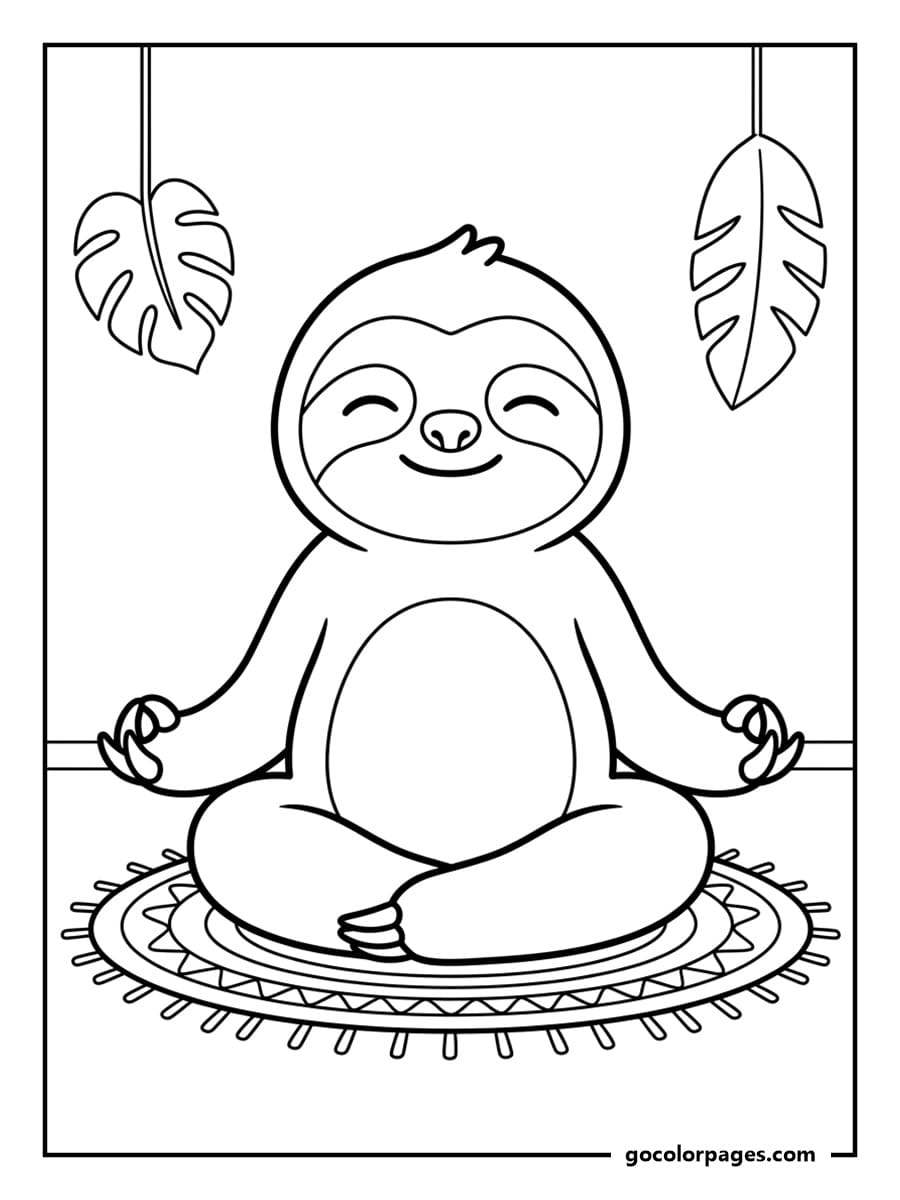
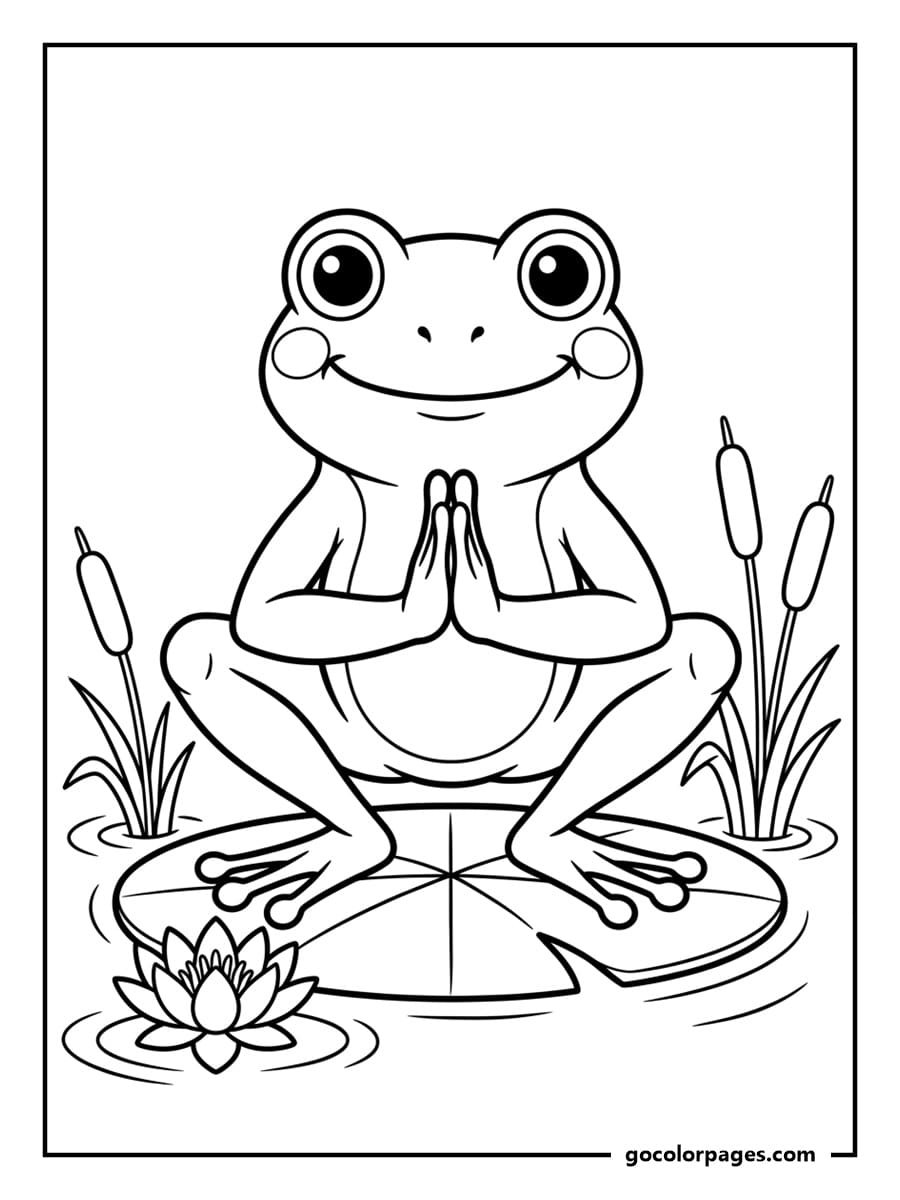
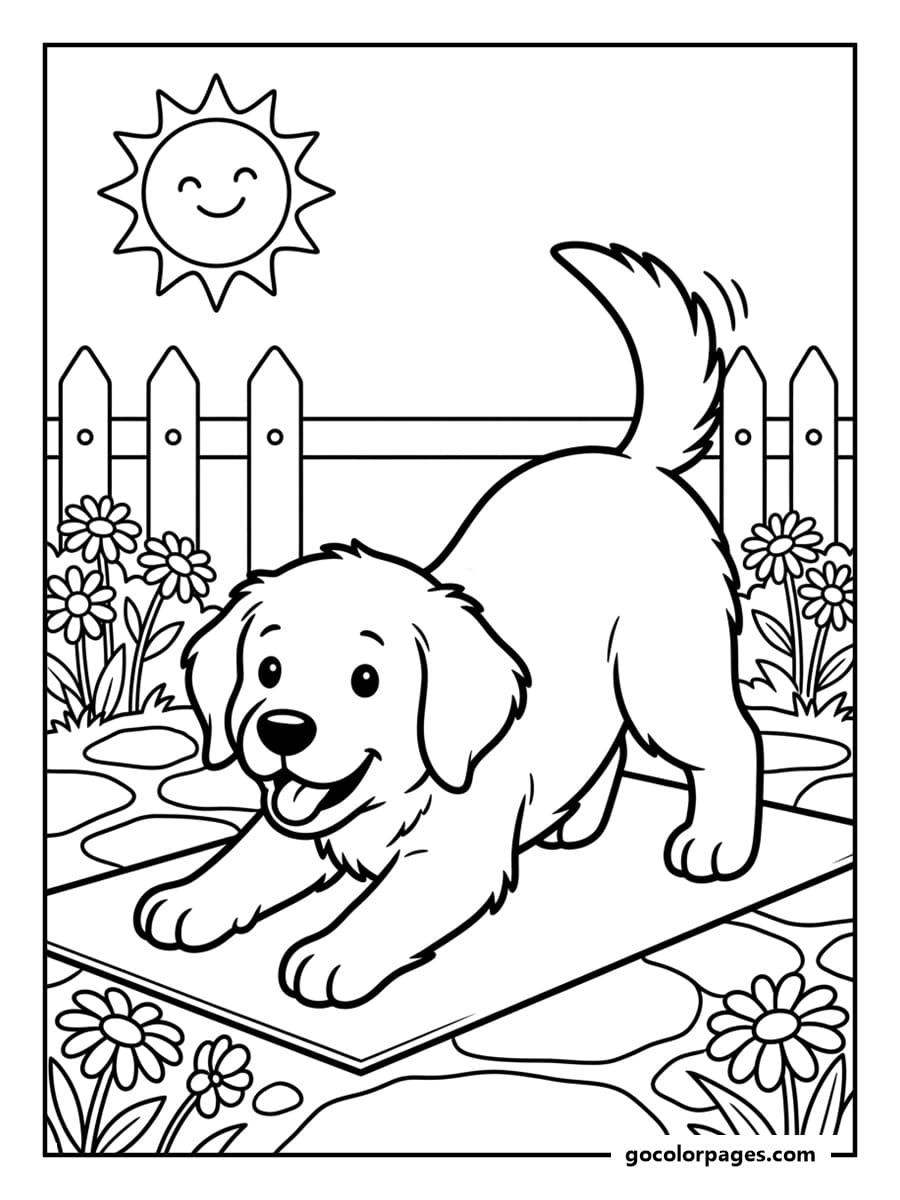
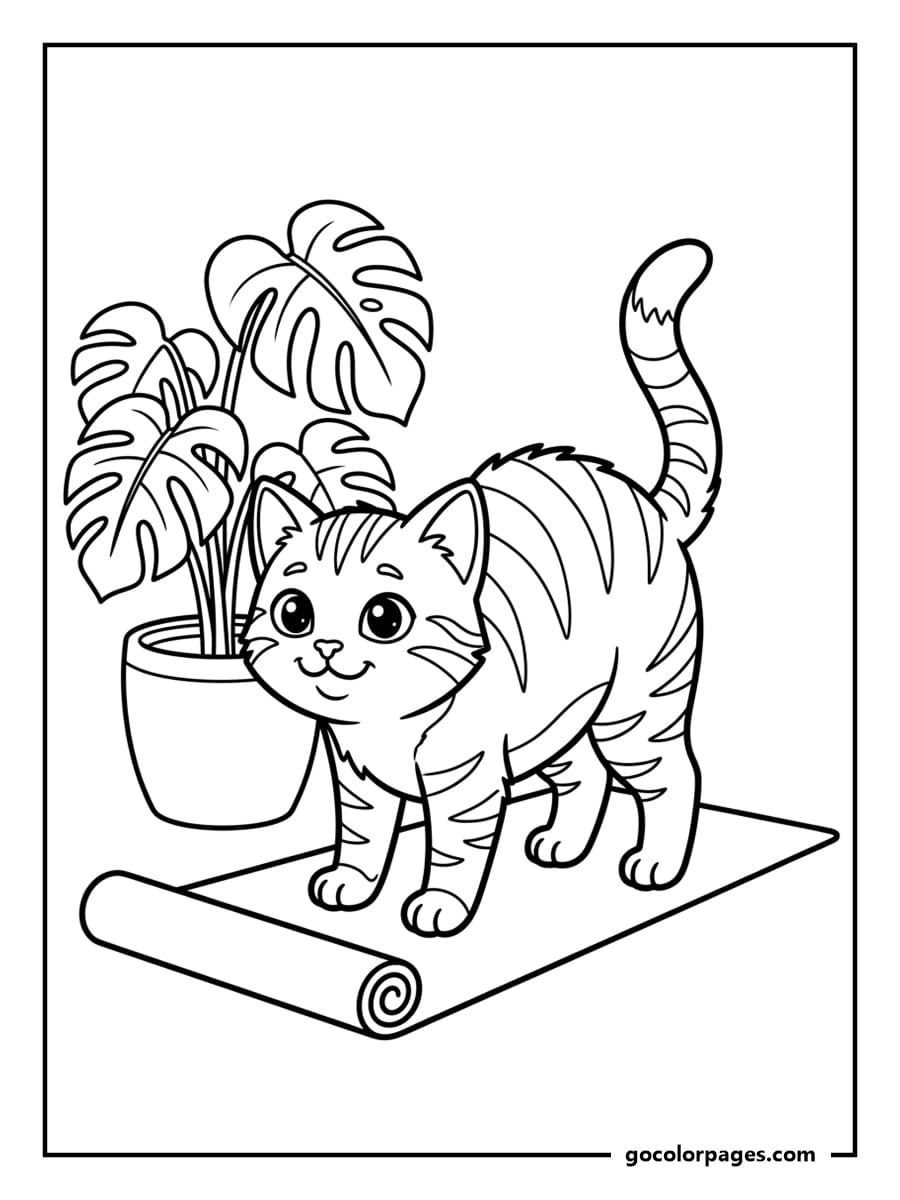
- Cute Animal Yoga Poses for Toddlers and Preschoolers: Drawn with bold contours and seven to ten wide coloring zones, these sheets feature sleepy sloths in Easy Lotus Pose, kittens arching through Cat-Cow, golden retriever puppies stretching in Downward-Facing Dog, and little frogs holding Garland Squat a playful bridge to our animals coloring pages and cute and easy coloring pages.
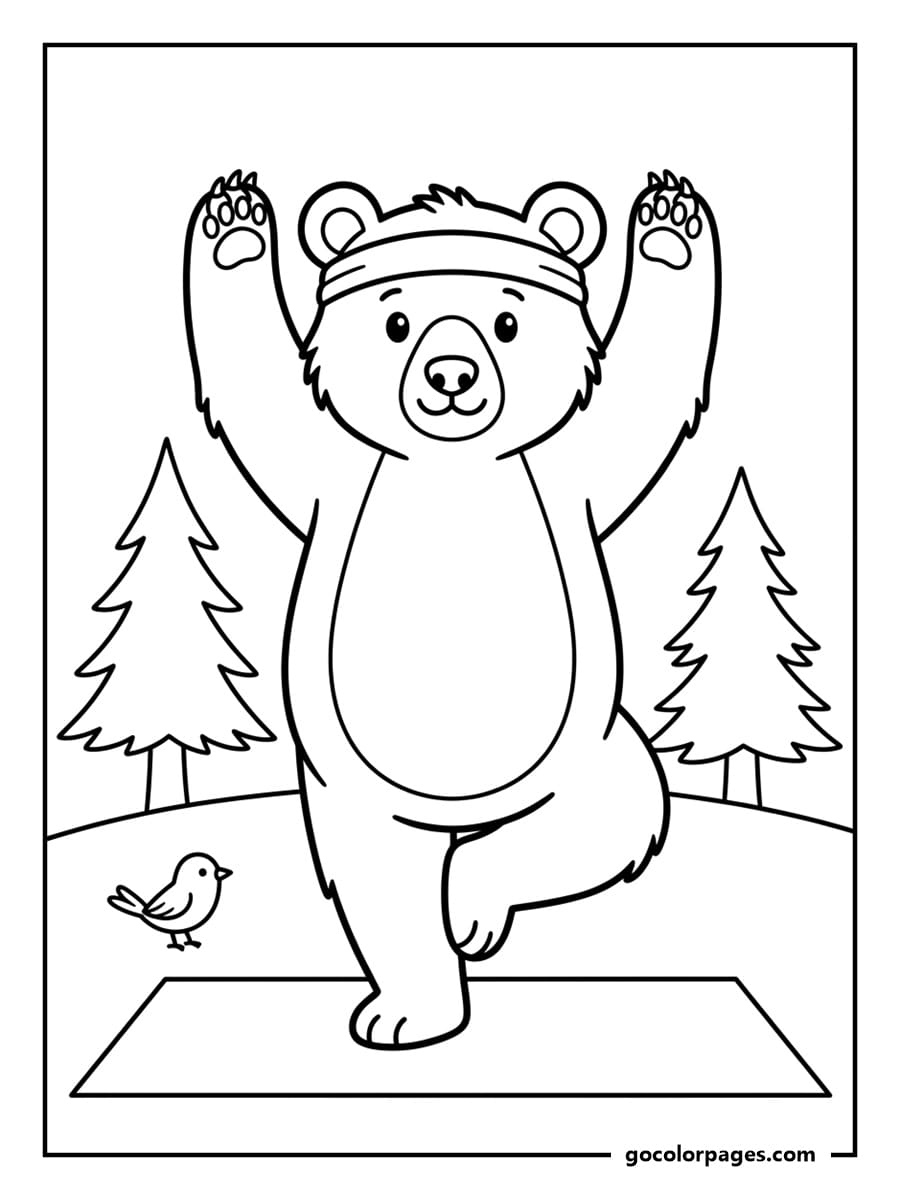
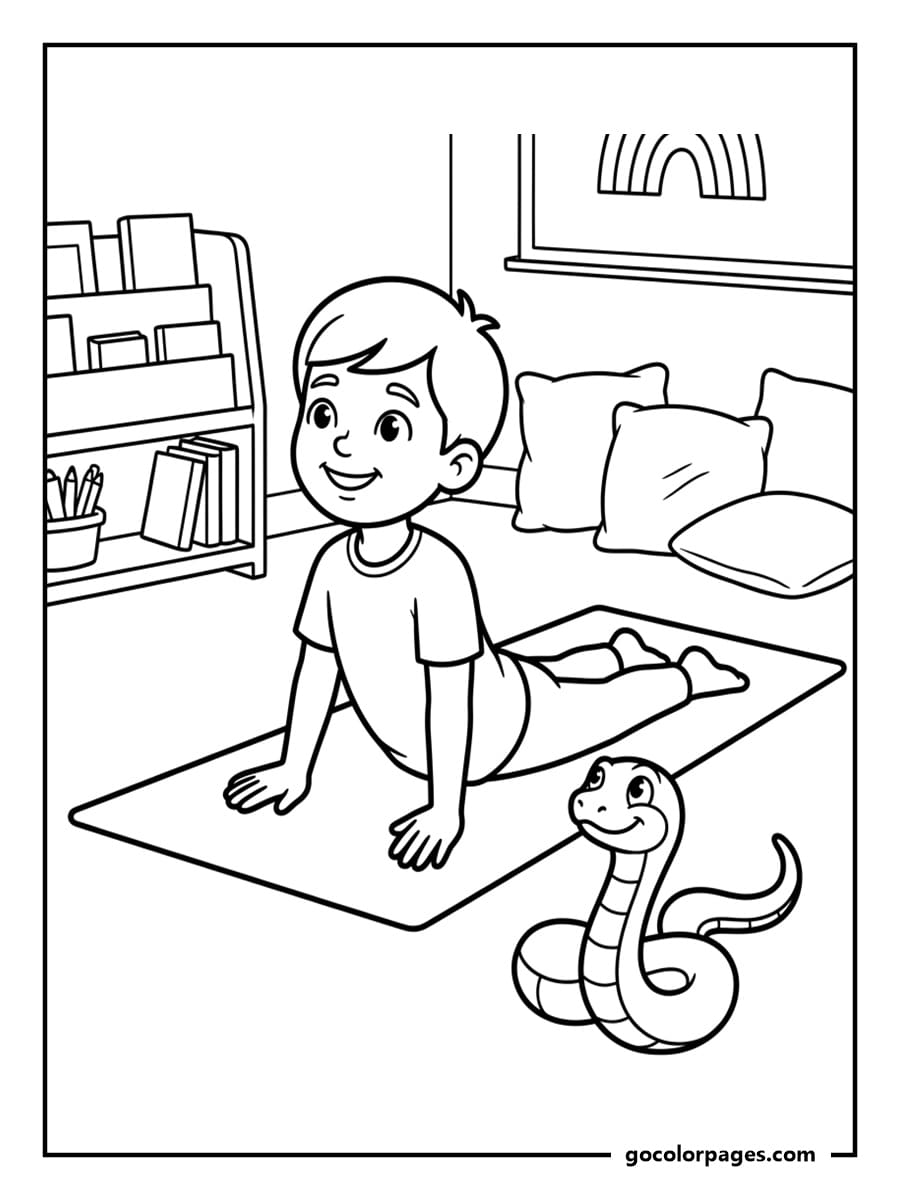
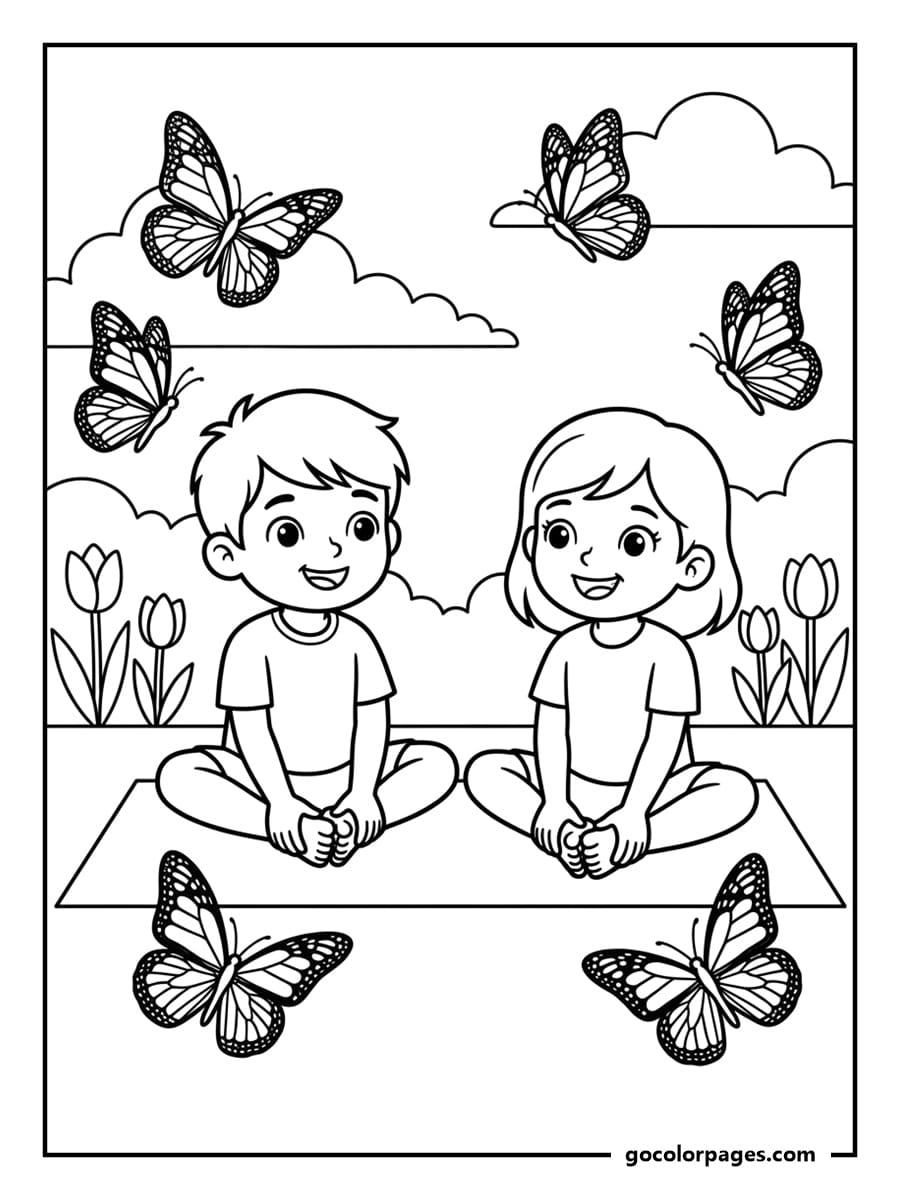
- Classroom Calm-Down Corner and Kids' Balance Flows: Step-by-step elementary sheets showing children holding Tree Pose (Vrksasana), Cobra (Bhujangasana), Butterfly (Baddha Konasana), and Airplane balance alongside simple four-count breathing prompts.
- Foundational Studio Vinyasa and Sun Salutation Sequences: Clean anatomical outlines of Warrior I and II (Virabhadrasana), Extended Triangle (Trikonasana), Bridge, and Child's Pose (Balasana) complete with textured yoga mats, rectangular cork blocks, and woven cotton bolsters.
- Seven-Chakra Meditation Silhouettes and Energy Spines: Seated Lotus Pose (Padmasana) outlines displaying the seven sacred chakra lotus symbols aligned vertically from the base of the tailbone up to the crown of the skull.
- Intricate Lotus Mandalas, Om Symbols, and Hamsa Hands for Adults: High-detail sacred geometry framing Anjali Mudra prayer hands, thousand-petal blooming lotus flowers, and crescent moon flows built for fans of intricate adult coloring pages.
"Never color the yoga mat and the yogi's leggings in the same temperature family pairing a warm raw-cork or terracotta mat under cool eucalyptus-sage activewear keeps every seated twist and warrior lunge crisp from across the room."
How to Color the Seven Chakras in Authentic Spine Order Without Flipping the Rainbow
Over forty percent of our most downloaded meditation sheets feature seven glowing orbs or lotus symbols stacked vertically along a seated yogi's spine. Yet watch ten people color that column from memory, and seven of them will accidentally paint the chakra system upside down.
Because elementary art classes trained our brains to draw sky rainbows from red on the top arch down to violet on the bottom, colorists instinctively grab a red marker and start at the crown of the head. In traditional yogic anatomy codified in classical texts like the 1577 Sat-Cakra-Nirupana subtle life energy (Prana) rises upward from the earth through the central Sushumna channel, meaning heavy, grounding red anchors the pelvis while high-frequency violet opens at the top of the skull.
- 1. Root Chakra (Muladhara) at the Tailbone Grounding Crimson Red: Start at the very bottom symbol resting against the yoga mat and fill its four petals in deep earth crimson or ruby red (such as Copic or Ohuhu
R27) to anchor the skeleton. - 2. Sacral Chakra (Svadhisthana) Below the Navel Sunset Tangerine Orange: Move one step up to the six-petaled lower pelvic wheel and blend warm marigold into bright tangerine orange (
YR07). - 3. Solar Plexus Chakra (Manipura) at the Ribcage Radiant Canary Yellow: Color the ten-petaled navel center in glowing lemon-canary yellow (
Y15), leaving a tiny two-millimeter bare-white dot right in the center so it shines like an inner sun. - 4. Heart Chakra (Anahata) at the Center of the Chest Botanical Emerald Green: Fill the twelve-petaled star over the sternum in fresh spring jade or emerald green (
G05), acting as the calm bridge between the lower warm triad and upper cool triad. - 5. Throat Chakra (Vishuddha) at the Neck Clear Turquoise Sky Blue: Wash the sixteen-petaled throat lotus in airy cerulean or aquamarine sky blue (
B05) to evoke open breath and clear speech. - 6. Third Eye Chakra (Ajna) Between the Eyebrows Twilight Indigo: Shade the two-winged brow symbol in deep ultramarine indigo or midnight navy (
B39orBV08) rather than flat black so the inner geometric eye stays visible. - 7. Crown Chakra (Sahasrara) at the Top of the Skull Amethyst Violet and Bare White Light: Feather the thousand-petaled crown halo in soft royal amethyst (
V15), keeping the innermost ring completely bare white paper to represent pure luminous awareness.
Three Studio Texture Tricks for Yoga Mats Stretch Leggings and Cork Blocks
A minimalist studio pose sheet like a solo practitioner holding Warrior II or Extended Side Angle relies on big, clean shapes rather than busy background clutter. If you scrub a single flat marker across the leggings, the mat, and the support blocks, the figure looks like a flat paper doll floating in space.
Legendary alignment pioneer B.K.S. Iyengar transformed modern yoga in the twentieth century by introducing tactile studio props natural Portuguese bark cork blocks, folded cotton falsa blankets, and grippy mats to help every body find safe geometry. Spending two minutes contrasting smooth four-way stretch spandex against porous cork and hammered brass brings that sunlit boutique-studio warmth right onto your page.
The Warm Cork vs Cool Sage Split for Mats and Activewear
Whenever a yogi folds into Pigeon Pose, Butterfly, or Seated Twist, their shins, knees, and hips press directly against the rectangular plane of the yoga mat. Coloring both the stretchy leggings and the floor mat in your favorite lavender, teal, or navy blue causes an instant camouflage collision where the lower body disappears.
Lock in a strict warm-versus-cool temperature split before you uncap a marker. If you shade the high-waisted leggings and sports top in cool botanical tones such as heathered eucalyptus sage (G82), dusty slate blue (B93), or soft lilac (BV23) base the yoga mat underneath in warm raw-cork honey tan, desert terracotta, or dusty peach, and leave a razor-thin one-millimeter strip of bare white paper along the upper curve of the thigh and knee so the fabric looks taut and sunlit.
Stippling Natural Cork Blocks and Cross-Hatching Waffle Mats
As anyone who has practiced how to draw organic woodgrain and woven fabrics knows, smooth back-and-forth strokes erase surface grip. Yoga blocks and non-slip PVC mats need micro-texture so they look sturdy enough to support a balancing hand.
To turn a plain rectangle into a genuine cork block, base the entire shape in warm buff-tan or golden sand (YR21), let it dry for ten seconds, and tap the fine point of a burnt-umber marker, brown fineliner, or dark chocolate pencil across the faces in random, clustered freckles. Along the curled front roll of the yoga mat, lightly cross-hatch a two-millimeter grid with a cool pebble-gray pencil in the shadow zone just behind the yogi's heels to mimic classic waffle-weave traction.
Shading Tibetan Singing Bowls, Monstera Leaves, and Diffuser Mist
Many teen and adult sanctuary pages surround the mat with hammered Tibetan brass singing bowls, wooden incense boats, potted monstera plants, and ceramic essential-oil diffusers. Coloring brass bowls flat yellow or tracing incense smoke with a heavy lead pencil strips away the tranquil mood.
Give a Tibetan singing bowl authentic metallic curve by blending warm golden ochre (YR23) and dark antique bronze around the left and right outer rims while leaving a crisp three-millimeter vertical bar of bare white paper running down the center belly. For curling incense smoke or diffuser mist, never fill the ribbon solid gray; feather whisper-light C-strokes of pale ice blue (B000) or soft pearl violet strictly along the outer edge of the curl so eighty percent of the vapor remains airy white paper.
Balancing Quiet Silhouettes Against Intricate Lotus Flowers and Mandala Halos
Print an adult yoga mandala sheet where a meditating silhouette sits in front of a two-hundred-segment sacred geometry wheel and watch what happens when someone colors every single shape at maximum brightness. When both the human figure and the circular mandala behind them are packed with ten saturated rainbow markers, the page turns into optical static and the peaceful posture vanishes into the noise.
In classical Eastern thangka painting and modern studio mural design, artists preserve serenity through strict Figure-Ground Contrast. Deciding before you start whether the meditator or the mandala will carry the color drama keeps complex sacred geometry soothing rather than chaotic.
- The Quiet Linen Figure vs. Radiant Mandala Halo Rule: Never let the foreground yogi and the background mandala shout at the same volume. Either color the circular mandala halo in rich jewel gradients deep peacock teal, magenta rose, and burnished gold while keeping the meditating figure in soft warm skin tones and a bare cream-linen tunic, or light up the yogi with vibrant chakra colors and shade the entire background mandala in a whisper-quiet monochrome relief of cool silver-gray (
C2) and eucalyptus green. - Three-Step Botanical Gradient for Sacred Lotus Petals (Padma): Borrowing a petal-blending habit from our nature coloring pages, never scrub a single flat pink crayon across a blooming lotus (Nelumbo nucifera). Keep the pointed tip of every petal bare white paper, blend soft rose-quartz pink across the middle belly, and tuck deep raspberry-magenta (
RV17) strictly into the bottom crease where each petal overlaps the golden central seed pod. - Pacing Concentric Mandala Rings to the 4-7-8 Breath: Transform intricate mandala coloring into an active Pranayama breathwork session by syncing your pencil to your lungs inhale quietly through your nose for four seconds while outlining a ring of petals, hold your breath gently for seven seconds while shading the inner crease, and exhale slowly for eight seconds as you feather the color outward toward the white tip.
"When a meditating silhouette sits in front of a complex lotus mandala, never let both shout at once pair a jewel-toned geometric halo with a quiet, cream-linen figure so the pose stays calm and centered."
Turning Finished Yoga Printables Into Calm Down Corner Spinners and Breath Cards
Elementary teachers, school counselors, and pediatric occupational therapists constantly search for screen-free ways to help kids regulate big emotions without feeling singled out. Leaving colored yoga sheets loose in a backpack wastes a hands-on self-regulation tool that works in under three minutes.
When we test our printable coloring pages for kids in elementary "Calm-Down Corners" and family living rooms, these three ten-minute cardstock builds turn flat posture sheets into daily movement rituals.
- Brass-Brad "Calm-Down Corner" Pose Wheel Spinners: Trace a ten-inch dinner plate onto heavyweight cardstock, divide the circle into six equal pie wedges, and glue six colored cutouts of kids' or animal poses Tree Pose, Cat-Cow, Cobra, Butterfly, Downward Dog, and Easy Lotus into the slices. Push a brass split pin through a cardstock pointer arrow at the center so a restless student can spin the wheel and hold their landing stretch for five slow belly breaths.
- Pocket-Sized Sun Salutation (Surya Namaskar) Sequence Ring Decks: Open your PDF print menu, select "Multiple" or "4 Pages Per Sheet" to shrink posture templates to index-card size on sturdy cardstock, and let kids color and number the sequence from 1 (Mountain Pose) to 8 (Upward Salute). Punch a single hole in the top-left corner and clip the cards onto a one-inch metal binder ring for morning P.E. warm-ups or rainy-day indoor recess.
- Tactile Finger-Trace 4-7-8 Lotus Breathing Boards: Glue a finished lotus flower or geometric mandala sheet onto rigid cereal-box cardboard and trace along the outer petal contours with raised dimensional fabric paint or a thin bead of clear hot glue; once dry, kids and adults can close their eyes and slowly trace the raised tactile ridges up and down each petal to pace their inhale and exhale during anxious moments.
Frequently Asked Questions About Yoga Coloring Pages
What order do the 7 chakra colors go in on a yoga coloring page?
Always color the seven chakras from the bottom of the spine upward to the top of the head: 1. Root Chakra (Muladhara) at the tailbone is crimson red; 2. Sacral (Svadhisthana) below the navel is tangerine orange; 3. Solar Plexus (Manipura) at the ribcage is canary yellow; 4. Heart (Anahata) at the chest is emerald green; 5. Throat (Vishuddha) is turquoise sky blue; 6. Third Eye (Ajna) between the brows is deep indigo; and 7. Crown (Sahasrara) at the top of the skull is amethyst violet and bare white light.
How do you color a yoga pose in front of a mandala without the person disappearing?
Use a strict figure-ground contrast split so the meditator and the geometric wheel never compete for attention. If you color the circular mandala halo in bright rainbow or jewel tones, keep the seated yogi in calm neutral skin tones and bare cream-linen clothing or fill the yogi with vibrant chakra colors and shade the background mandala in two quiet tones of silver-gray and sage green.
How do you color yoga mats and cork blocks so they don't blend into the leggings?
Separate the yoga mat and the activewear by color temperature before you start. Pair cool-toned stretchy leggings such as eucalyptus sage, slate blue, or soft lavender against a warm honey-tan cork mat or terracotta floor towel, and stipple tiny dark-brown dots across rectangular yoga blocks to mimic natural Portuguese cork grain.
What are the best yoga coloring pages for a classroom Calm-Down Corner?
Choose bold, thick-lined animal yoga sheets that connect familiar creatures to simple grounding stretches, such as a golden retriever puppy in Downward-Facing Dog, a kitten arching through Cat-Cow, a friendly snake lifting into Cobra Pose, or a sleepy sloth sitting in Easy Lotus Pose paired with a four-count breathing cue.
Roll Out One Printable Pose Sheet and Test the Cork to Sage Split Tonight
You don't need a fifty-piece marker case or a weekend retreat to turn a black-and-white posture sheet into a serene studio keepsake. Print one free PDF right now and run these two quick tabletop steps in under ten minutes.
- Pencil the Bottom-Up
R-O-Y-G-B-I-VLetters Beside Your Chakra Spine (2 minutes): Before uncapping a marker on any meditation sheet, lightly pencilR(Red) at the tailbone up toV(Violet) at the crown so you never accidentally flip the seven chakras upside down. - Pair One Warm Cork Mat Against Cool Eucalyptus-Sage Leggings (5 minutes): Pick a single Warrior or Lotus Pose sheet, base the yoga mat in warm honey-tan with a cluster of stippled brown cork freckles, and shade the leggings in cool sage green while leaving a one-millimeter bare-white highlight strip along the knee.
Are you printing playful animal yoga poses for a classroom Calm-Down Corner, or unwinding tonight with an intricate seven-chakra lotus mandala and which posture always helps you reset fastest?